
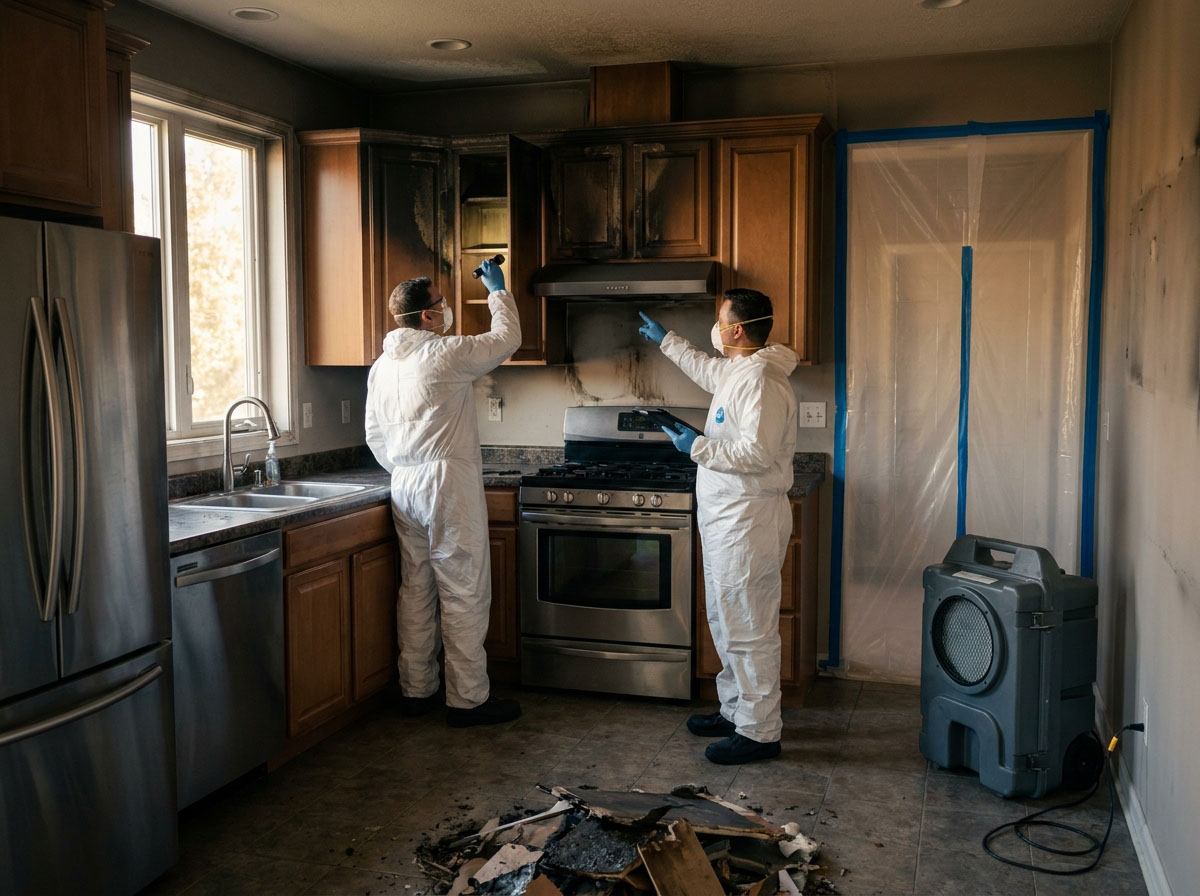


⚡ TL;DR: This guide helps Nassau County homeowners understand the complexities of water damage restoration by covering essential mitigation steps, professional drying techniques, and how to manage local insurance claims.
📋 What You’ll Learn
Navigating water damage in Nassau County requires understanding our unique coastal challenges. This guide provides essential insights into managing property restoration effectively while avoiding common pitfalls that many local homeowners face daily.
- Master immediate mitigation techniques to protect your property before professional help arrives, significantly reducing the long term impact of moisture on your home structure and valuable personal belongings.
- Compare DIY methods versus professionals to understand why industrial drying equipment is necessary to prevent hidden mold growth behind your walls caused by our high regional water table.
- Navigate complex insurance claim processes by learning how to document damage correctly and communicate effectively with local adjusters to ensure you receive a fair and comprehensive settlement payout.
- Analyze real local case studies to see how common issues like sump pump failures are managed and resolved using advanced moisture detection protocols specific to Nassau County residential homes.
📖 Reading time: 8 min
✍️ Author expertise: Certified restoration specialist with decades of field experience handling Nassau County flood emergencies.
You wake up to the sound of water dripping in your basement, only to find your prized possessions sitting in a murky, rising puddle. It is the kind of nightmare that turns a quiet Nassau County morning into a financial catastrophe in seconds.
Most homeowners assume a quick mop and a few box fans will save the day. That is exactly how small leaks mutate into black mold infestations and rotting floor joists that cost ten times more to fix later.
I have spent years watching folks in our area make the same costly mistakes when disaster strikes their property. It is time to pull back the curtain on how to actually protect your home and your bank account when the pipes burst.
Here is the truth about what you need to do immediately to stop the damage before it ruins your foundation.
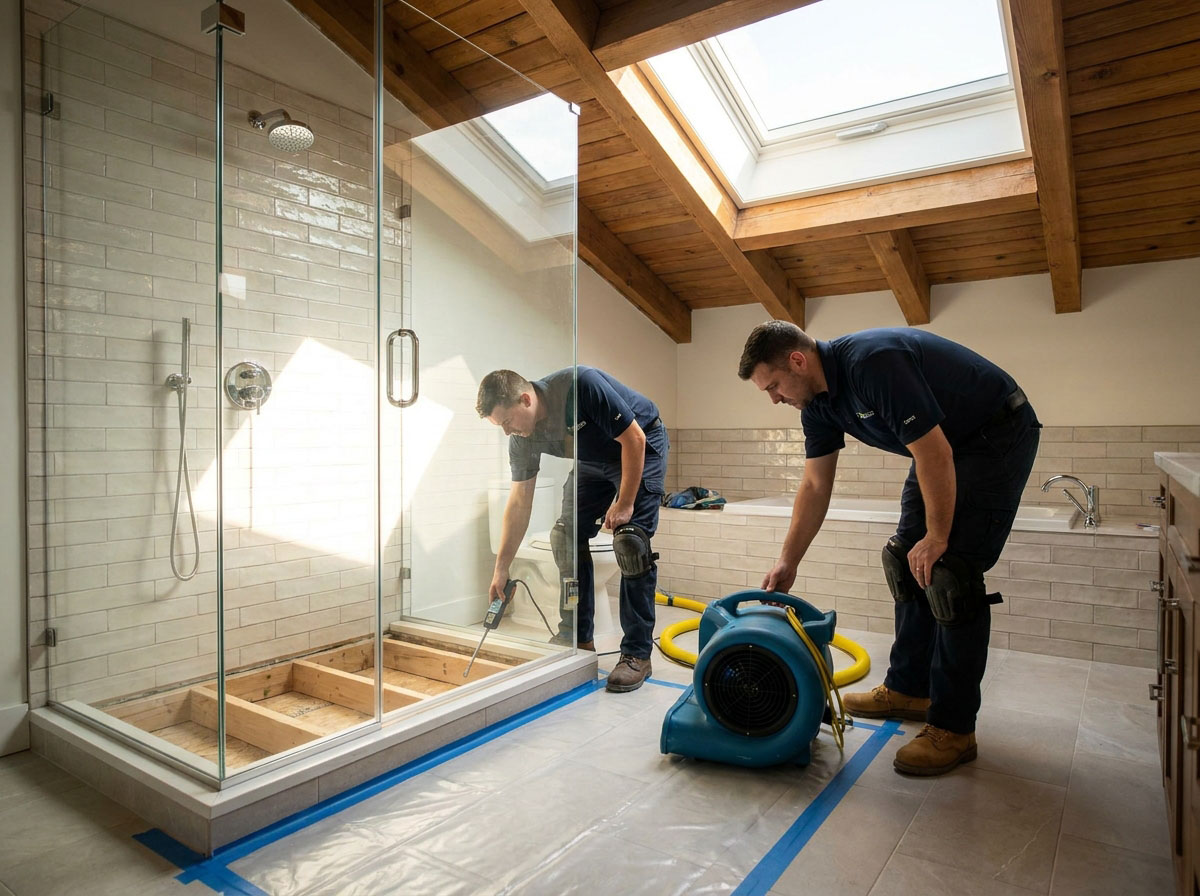
The Hidden Hazards of Nassau County’s High Water Table and Coastal Weather
Living on Long Island means you are fighting a constant battle against geography. Nassau County sits atop a famously high water table, which essentially means the ground beneath your basement is often already saturated. When you add our unpredictable coastal weather, heavy nor'easters, and sudden storm surges into the mix, your home becomes a target for hydrostatic pressure.
This pressure does not just seep through cracks; it forces water through concrete foundations like a sponge soaking up a spill. If your sump pump hits a glitch during a storm, you are not just dealing with a few inches of water. You are dealing with the weight of the water table itself pushing against your slab.
Why Standard Protection Fails
Most residents rely on basic safeguards that simply cannot handle the sheer volume of moisture we experience here. When the soil is already soaked, your drainage systems have nowhere to send the excess runoff. This leads to common, yet devastating consequences for local properties:
- Subterranean water intrusion that leaves no initial trace.
- Wicked levels of basement humidity that trigger silent mold growth.
- Corrosion of electrical panels and HVAC systems hidden behind drywall.
- Structural weakening of support beams due to persistent moisture absorption.
You cannot treat Nassau water damage like a simple plumbing leak. Because of our proximity to the Atlantic and the local soil composition, moisture stays trapped in your insulation and floor joists far longer than you think. You might feel like the floors are dry to the touch, but beneath the surface, the building materials are holding onto a dangerous amount of vapor. That is the hidden trap that invites toxic black mold into your walls within 48 hours.
Immediate Mitigation: Steps to Take Before the Restoration Crew Arrives
When water is pouring into your home, your clock is ticking. You do not have the luxury of waiting for a professional crew to arrive while your drywall acts like a sponge. The first rule is simple: stop the source if it is safe to do so. Locate your main water shutoff valve immediately and kill the flow before you do anything else.
Once the water is off, your primary goal is to minimize the spread of moisture. Electricity and water are a lethal mix, so check your breaker box first. If you have to walk through standing water to reach the panel, do not enter the room; call a professional or your utility company instead.
Critical First Steps to Prevent Further Ruin
- Cut the power to affected areas to prevent electrical shocks.
- Move your valuables to a dry, elevated location if it can be done safely.
- Open windows if the weather is dry to encourage natural ventilation.
- Clear out wet carpets and rugs, as these act as a breeding ground for mold within 24 hours.
- Wipe down excess water from wood furniture to prevent permanent warping.
Remember that time is your greatest enemy. Every minute that water sits on your subfloor, the cost of the eventual repair creeps higher. Do not try to run a household vacuum over wet floors, as you will likely fry the motor and invite a dangerous electrical short. Focus on containment and safety, then get out of the way so our team can bring in the industrial equipment needed to save your structure.
Professional Drying vs. DIY: A Side-by-Side Comparison Table
Homeowners often try to save a buck by grabbing a shop vac and opening a window. This is a massive gamble that rarely pays off in a place like Nassau County, where humidity levels can keep damp wood wet for weeks.
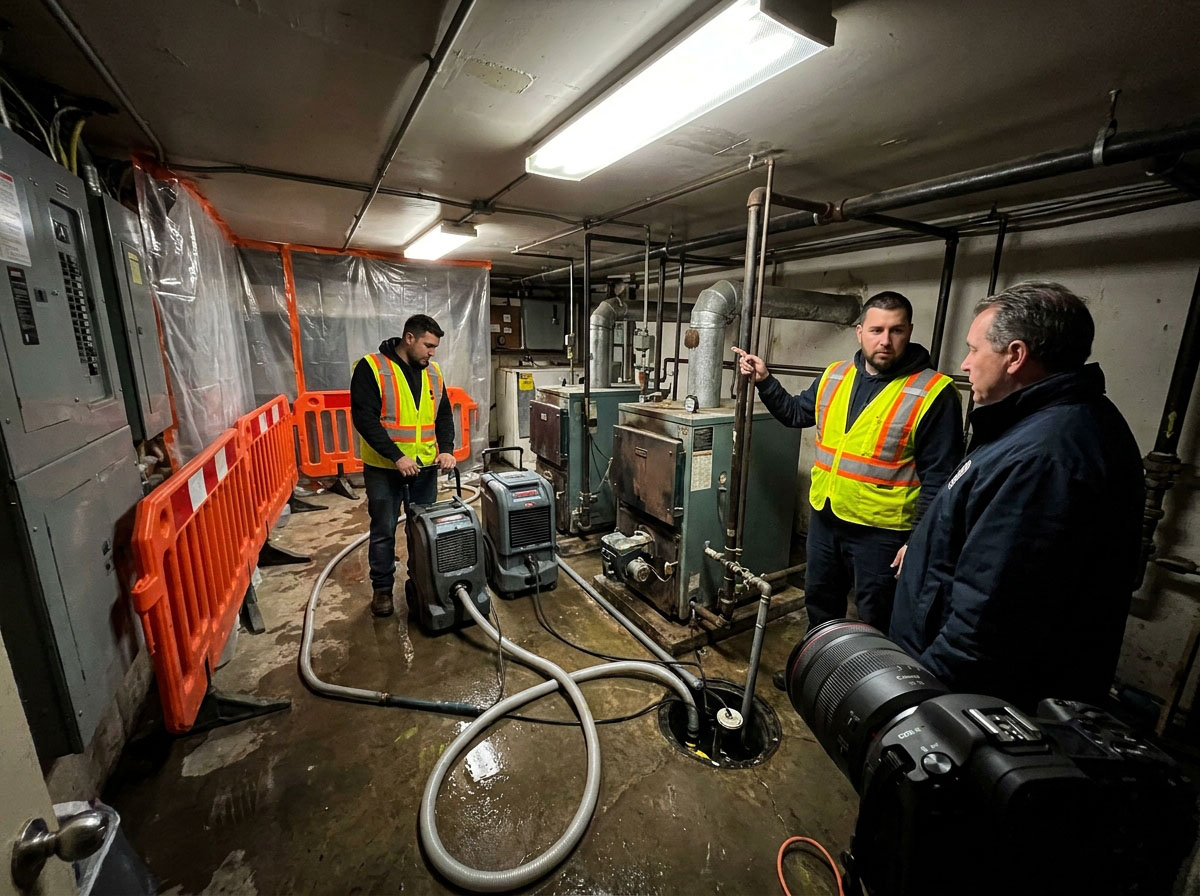
Professional restoration requires specialized equipment that goes far beyond household fans. When water seeps into drywall or concrete, surface drying is just a band-aid on a gaping wound.
| Feature | DIY Approach | Professional Restoration |
|---|---|---|
| Moisture Detection | Visual check only | Thermal imaging cameras |
| Drying Equipment | Standard box fans | Industrial dehumidifiers |
| Contamination | None | HEPA air scrubbing |
| Documentation | None | Detailed insurance reports |
| Speed of Drying | Days or weeks | Hours or days |
If you rely on DIY methods, you are likely leaving moisture trapped inside your wall cavities. This hidden water feeds toxic mold colonies that can start growing in less than 48 hours.
Professionals use sensors that detect water deep behind your baseboards and inside your insulation. We stop the decay at the source rather than just drying the carpet on the surface.
Why Precision Matters
You might think your floors look dry after a few hours of blowing air. However, your subfloor is likely acting like a sponge, soaking up stagnant water that leads to warping and structural rot.
- Industrial air movers circulate air at high velocity to force moisture out of hidden pockets.
- Commercial dehumidifiers pull gallons of water out of the air to prevent secondary damage to your furniture and electronics.
- Antimicrobial treatments ensure that lingering bacteria from sewage or gray water do not linger in your home.
Choosing professional intervention is not about spending money; it is about protecting your home equity. One wrong move during the drying phase can turn a manageable cleanup into a full-scale renovation project.
Anatomy of a Water Damage Claim: Dealing with Local Insurance Adjusters
Filing a claim in Nassau County feels like a high stakes poker game where the insurance company holds all the chips. You are not just dealing with any adjuster; you are dealing with professionals who handle thousands of claims annually and know exactly how to push for the lowest payout possible.
Most homeowners make the mistake of apologizing for the damage or downplaying the severity during the initial call. That is a massive error. You must document everything with clinical precision before the insurance company even sets foot on your property.
If you do not provide ironclad evidence, you are leaving your settlement up to their imagination. Follow these rules to protect your equity:
- Take high resolution photos of the water source before you touch anything.
- Save physical samples of ruined materials like carpet padding or drywall if possible.
- Demand that the adjuster provides a line item estimate rather than a lump sum figure.
- Keep a detailed log of every conversation including names, dates, and promises made.
Remember that the adjuster is not your friend, even if they act like one. Their loyalty lies with the carrier, not your basement or your bank account. If they suggest a preferred contractor, pause and think carefully. Often, those crews are incentivized to perform the cheapest repair rather than the right repair, which can leave you with hidden moisture issues down the line.
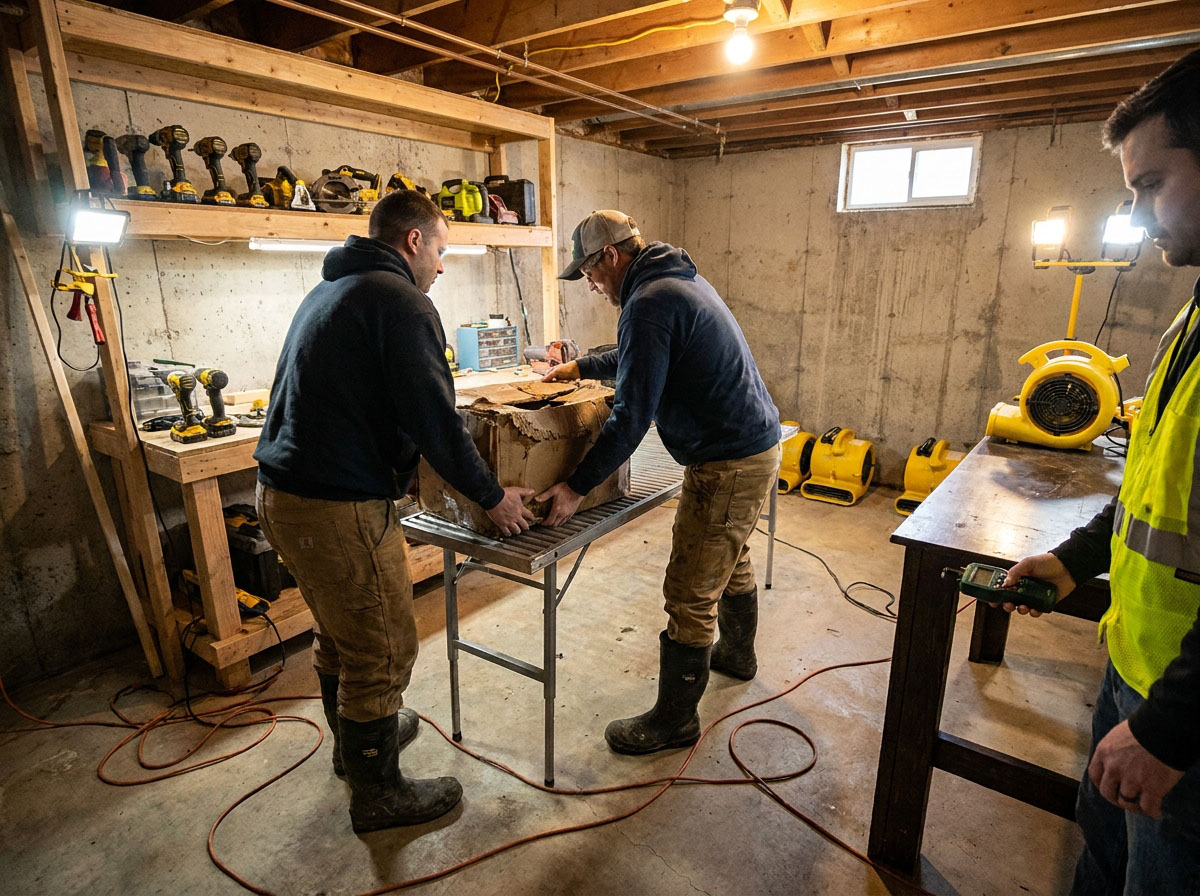
From Sump Pump Failure to Restoration: A Nassau County Case Study
Last winter, a homeowner in Massapequa reached out after a heavy nor'easter caused their basement sump pump to seize up. The storm overwhelmed the municipal drainage, and within three hours, four inches of standing water had turned their finished basement into a disaster zone.
They made the classic error of ignoring the hidden moisture behind the drywall. By the time they called for help, the water had wicked up into the studs, creating a perfect environment for toxic microbial growth.
The Anatomy of the Failure
This situation was not just about the pump failing; it was about the lack of an immediate containment strategy. When we arrived, our team identified three critical points where the structural integrity of the home was compromised:
- The baseboard trim had acted as a sponge, pulling water into the wall cavities.
- The hardwood floor sub-layer was delaminating due to prolonged hydrostatic pressure.
- Electrical outlets near the floor line were corroded, posing a significant fire risk for the family.
We implemented a targeted decontamination protocol to salvage the framing. By using thermal imaging cameras, we mapped exactly how far the moisture traveled, which allowed us to cut away only the affected sections rather than tearing out the entire room. This surgical approach saved the homeowner thousands in unnecessary reconstruction costs and kept their insurance payout focused on true restoration needs.
Advanced Moisture Detection and Decontamination Protocols
If you think a surface level check is enough to clear your home of water damage, you are putting your property at risk. Moisture behaves like a ghost in your walls, traveling through hidden cavities, insulation, and subfloors where the human eye simply cannot reach.
Professional restoration teams use infrared thermal imaging cameras and moisture hygrometers to map the exact path of the water. These devices detect temperature differentials that signify trapped moisture, allowing us to pinpoint the source of a leak without tearing open every wall in your house.
Once we identify the wet zones, we follow strict decontamination protocols to prevent secondary damage. Stopping the clock on mold growth is our primary objective because once spores germinate, the cost and health risks escalate quickly.
The Decontamination Process
We do not just dry the air; we sanitize the environment to ensure your living space is actually safe again. This requires a specific sequence of actions to remove contaminants left behind by grey or black water.
- HEPA filtration to scrub microscopic mold spores and pathogens from the air.
- Application of EPA-registered antimicrobial agents to kill bacteria on porous surfaces.
- Structural drying using high-velocity air movers to pull moisture out of dense materials like hardwood and drywall.
- Dehumidification cycles that pull water vapor directly out of the building materials.
Without these technical protocols, you are leaving behind a breeding ground for bacteria and structural decay. Always insist on a certified professional who utilizes calibrated equipment, because guessing is the most expensive mistake you can make in Nassau County.
Final Words
Disaster rarely waits for a convenient moment to strike your home. When your basement floods or a pipe bursts, you are in a race against the clock to prevent structural rot.
Every hour you delay, the repair costs climb. Proper, professional intervention is the only way to stop water from destroying your home’s value.
If you are currently facing a crisis or want to be prepared for the next storm, check out our professional services for Water Damage Restoration. We have the gear and the expertise to handle the mess so you can get back to your life.
Key Takeaways for Every Homeowner
Keep these priorities top of mind when you find standing water in your house:
- Turn off the main water valve immediately to stop the flow.
- Prioritize safety by cutting power to any rooms where water has reached electrical outlets.
- Do not wait for the surface to look dry; hidden moisture is your greatest enemy.
- Documentation is vital for insurance, so snap clear photos of everything before you move items.
Nassau County is a beautiful place to live, but our high water table demands vigilance. Treat your home with respect and act fast when trouble hits.
You do not have to fight the tide alone. Smart homeowners know that calling in the heavy hitters early is the best investment you can make for your property.
People Also Ask
How quickly should I call for water damage restoration in Nassau County?
You should contact a professional restoration service immediately after discovering water damage to prevent further structural deterioration. Rapid response is critical in our coastal climate, as mold growth can begin within 24 to 48 hours of moisture exposure.Does homeowners insurance cover water damage in Nassau County?
Coverage depends entirely on the source of the water and your specific policy language. According to the FEMA guidelines, standard policies often distinguish between sudden plumbing failures and flood events caused by external water intrusion.Why is a high water table a problem for Nassau County basements?
The high water table in Nassau County exerts hydrostatic pressure against foundation walls, which frequently leads to seepage or basement flooding. Even minor cracks can allow groundwater to enter your home during periods of heavy rainfall.Should I attempt to dry my home after a flood?
While you can remove standing water with a wet vacuum, professional drying equipment is necessary to reach moisture trapped deep within subfloors and wall cavities. Improper drying often leaves hidden pockets of humidity that lead to long term mold issues.How do I identify if there is hidden water damage?
Look for signs like peeling paint, warped floorboards, or a musty odor that persists despite cleaning. Professional technicians use infrared cameras and moisture meters to locate saturation behind walls that is not visible to the naked eye.Need Water Damage Restoration Services?
We provide immediate water damage mitigation and restoration services to property owners throughout Nassau County and surrounding communities. Our rapid response teams stabilize your home or business to prevent further damage and restore your property to pre-loss condition (11501, 11530, 11550, 11590, 11001).
Request Project Estimate