


⚡ TL;DR: This guide provides Nassau County homeowners with essential steps for managing fire damage restoration, covering professional remediation strategies, insurance coordination, and realistic expectations for the entire recovery process.
📋 What You’ll Learn
Navigating the aftermath of a fire in Nassau County requires immediate, strategic action. This guide provides local homeowners with the essential roadmap needed to restore their property efficiently and safely today.
- Execute immediate property preservation steps to secure your home against environmental elements while preventing further structural deterioration from water exposure and smoke settling throughout your residence.
- Identify hidden soot and corrosion dangers by learning how toxic residues infiltrate building materials and appliances, requiring specialized professional cleaning methods to ensure a healthy indoor environment.
- Evaluate realistic restoration costs and timelines using our tactical breakdown to manage your expectations and budget effectively while navigating the complex process of returning your home.
- Coordinate with your insurance provider seamlessly by following our expert tips for documentation and communication to ensure your claims process remains smooth, accurate, and completely stress free.
- Understand why professional remediation wins compared to DIY efforts, as experienced technicians utilize industrial equipment to remove deep smoke odors that standard household cleaning tools cannot reach.
📖 Reading time: 8 min
✍️ Author expertise: Nassau County restoration specialist with ten years of field experience handling local fire damages.
The smell of smoke is still hanging in the air, and your home, the place where you built your life, looks like a war zone. You are standing in the middle of your living room in Nassau County wondering how you can possibly undo the chaos left behind by the flames.
Most people think a fire ends when the sirens fade and the trucks drive away, but that is actually when the real clock starts ticking. Without immediate action, the soot, chemicals, and water used to douse the fire will turn a bad situation into a total loss.
You do not have to guess your way through this mess or wait for someone to tell you what to do next. Here is exactly how to protect your property and reclaim your peace of mind.
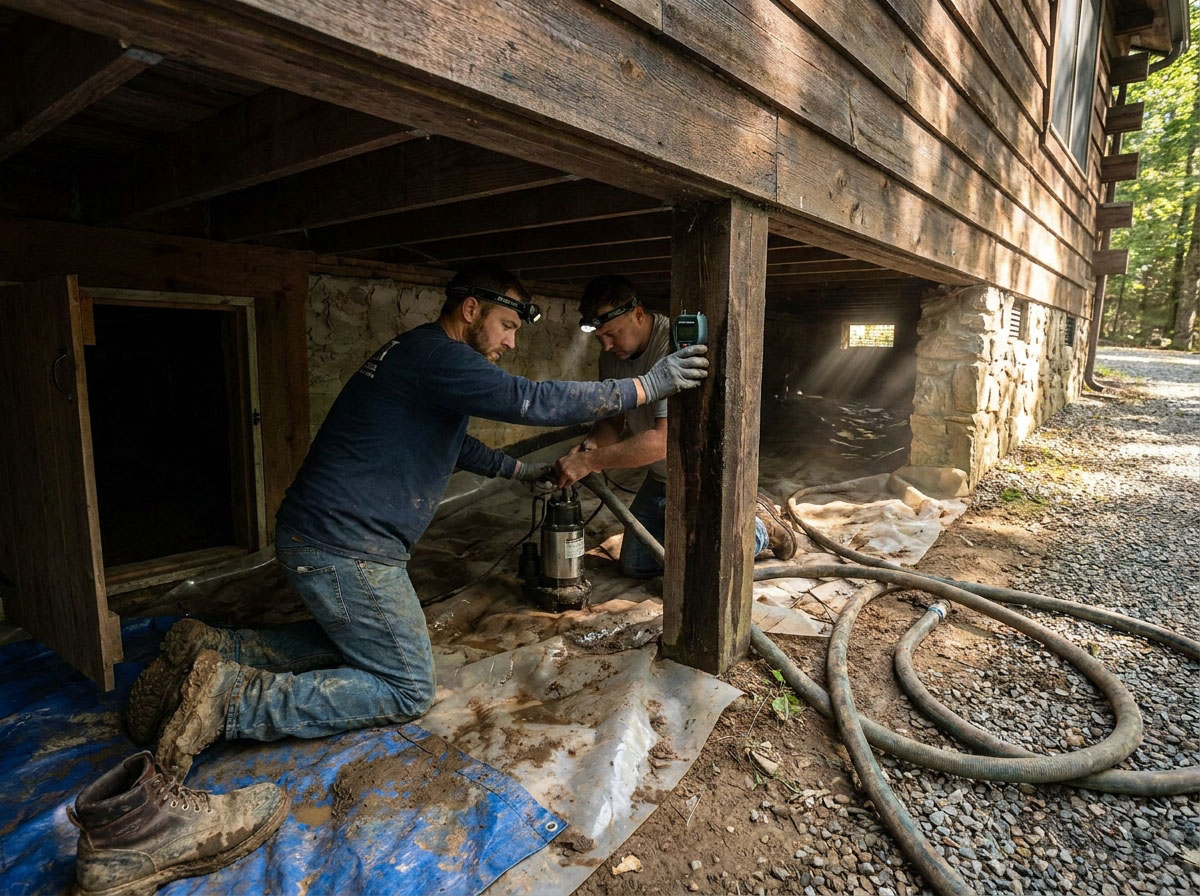
Immediate Preservation Steps for Nassau County Homeowners
Time is your greatest enemy the moment the fire department leaves your property. Acidic soot begins to eat through finishes, metal, and upholstery within hours, causing permanent damage that insurance companies might refuse to cover if you wait too long.
Your first move is safety. Do not enter your home until local authorities confirm the structure is stable. If you are cleared to enter, focus on these critical actions to prevent further loss:
- Turn off the main power and water lines to prevent electrical shorts or burst pipes from adding water damage to your fire woes.
- Open windows if the weather allows to circulate fresh air, but only if the home is secure against intruders.
- Cover high-value electronics and furniture with plastic sheeting to keep soot from settling deeper into the fibers.
- Document everything with high-quality photos before you move or throw away a single item.
Avoid the urge to start scrubbing walls with household cleaners. You will likely drive the soot deeper into the porous surfaces, making professional removal much harder later.
Instead, focus on securing your property. If windows are shattered or doors are burned, have a professional team board them up immediately. This stops moisture from the humid Nassau County air from fueling mold growth, which often appears in the wake of firefighting efforts.
Navigating the Hidden Dangers of Post-Fire Corrosion and Soot
You might think the fire is the biggest threat, but the aftermath is often worse. Once the flames are extinguished, your home becomes a chemical hot zone.
Soot is not just gray dust. It is acidic, microscopic, and remarkably aggressive. If left on surfaces, it begins to etch into metals, plastics, and drywall within hours.
Think of it as a slow-motion wrecking ball. You need to know which materials are most vulnerable to this corrosive process:
- Electronics: Circuit boards corrode rapidly, causing permanent failure.
- Kitchen Appliances: Chrome and stainless steel surfaces develop permanent pitting.
- Plumbing Fixtures: Brass and copper hardware can turn green or black almost overnight.
- Glass and Mirrors: Acidic soot can etch permanent patterns into these surfaces.
The danger is compounded by high humidity in the Long Island air. Moisture acts as a catalyst, accelerating the chemical reaction between the soot particles and your household assets.
Do not wipe these surfaces with household cleaners or water, as you will likely smear the soot deeper into the pores of the materials. Professional remediation relies on specialized vacuuming and chemical sponges to lift these particles before they become permanent stains.
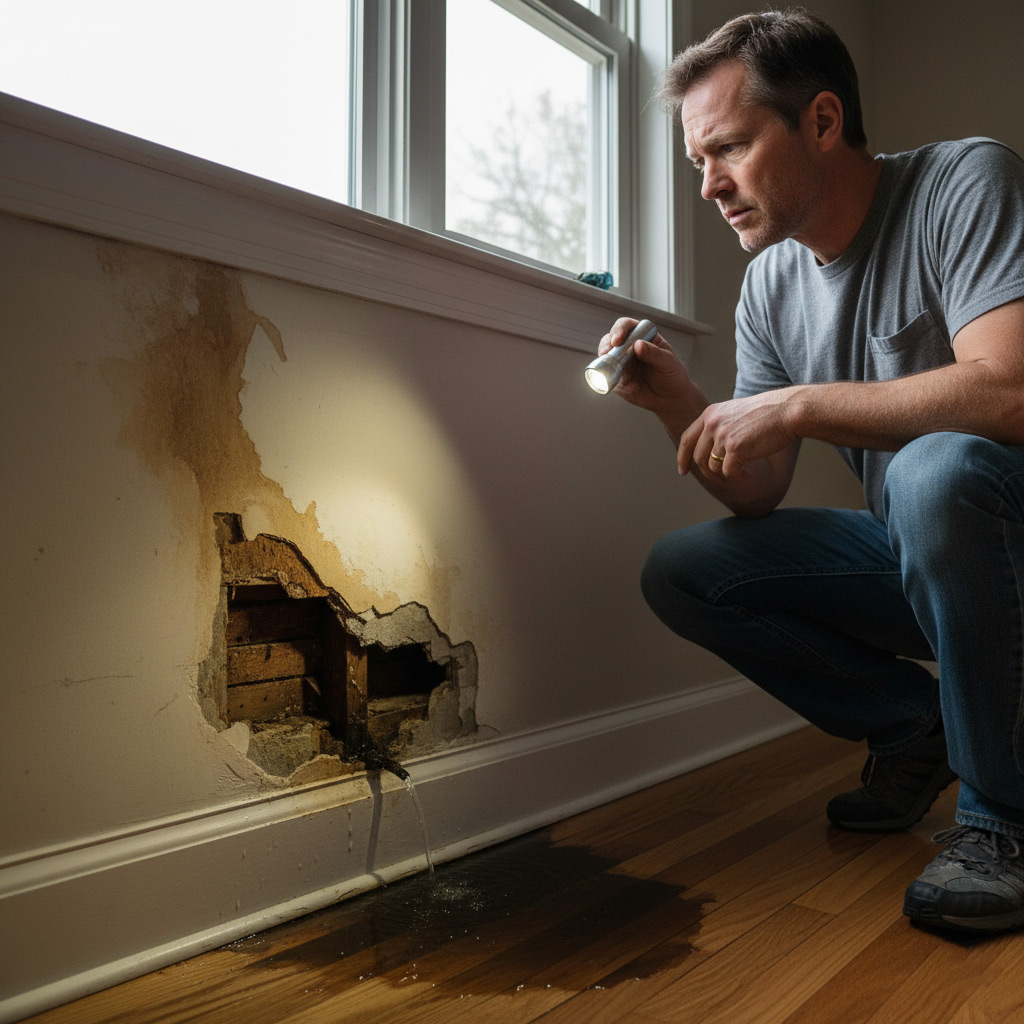
Tactical Breakdown: A Table of Restoration Costs and Timeline Expectations
When your property suffers fire damage in Nassau County, the uncertainty of the restoration process is often the heaviest burden to carry. Clear expectations are your best defense against bad decisions. While every home is unique, the following figures provide a realistic baseline for local homeowners to help you plan your recovery phase.
| Project Stage | Estimated Timeline | Cost Factor |
|---|---|---|
| Emergency Board Up | 24 to 48 Hours | Low to Moderate |
| Soot & Debris Removal | 3 to 7 Days | Moderate to High |
| Structural Cleaning | 1 to 2 Weeks | High |
| Reconstruction | 4 Weeks to 6 Months | Variable based on damage |
The speed of your recovery depends on the extent of structural compromise and the specific materials involved in the blaze. Synthetic materials often require more rigorous cleaning because they release toxic acidic residues that bond to surfaces quickly.
Consider these essential factors that influence the final price tag:
- Total square footage of fire and smoke impacted areas.
- The presence of hazardous materials like lead or asbestos in older Nassau homes.
- Whether you choose to perform a full interior gut or a targeted restoration.
- The availability of specialized labor and materials in our local supply chain.
Do not be fooled by contractors promising a miracle overnight. True restoration involves deep cleaning of HVAC systems, drywall sealing, and meticulous odor neutralization. Cutting corners now leads to recurring smells and structural failure months down the road.
Why Professional Remediation Beats DIY Cleanup Efforts
You might be tempted to grab a bucket and some household cleaners to tackle the smoke damage yourself. Please, put the supplies down. The soot left behind after a fire is not just regular dust; it is a toxic chemical cocktail that can seep into your walls, flooring, and HVAC system.
When you try to scrub soot without the proper equipment, you are often just smearing it deeper into porous surfaces. Professional remediation teams use industrial grade HEPA vacuums, dry sponges, and thermal foggers to neutralize particles at a molecular level. If you leave these microscopic toxins behind, the smell of smoke will linger in your home for years.
The Real Risks of DIY Fire Cleanup
- Corrosion acceleration: Unprofessional cleaning often ignores acidic residue, which causes metal fixtures and electronics to rust within days.
- Air quality hazards: Amateur efforts often stir up dangerous particulates, turning your home into a major respiratory risk.
- Hidden structural damage: Professionals use moisture meters and infrared cameras to find water trapped behind drywall, preventing dangerous black mold growth.
Your property in Nassau County deserves a thorough recovery, not a superficial wipe down. Professional technicians are trained to salvage sentimental items that you might assume are ruined. Do not risk your long term health or the integrity of your structure just to save a few dollars in the short run.
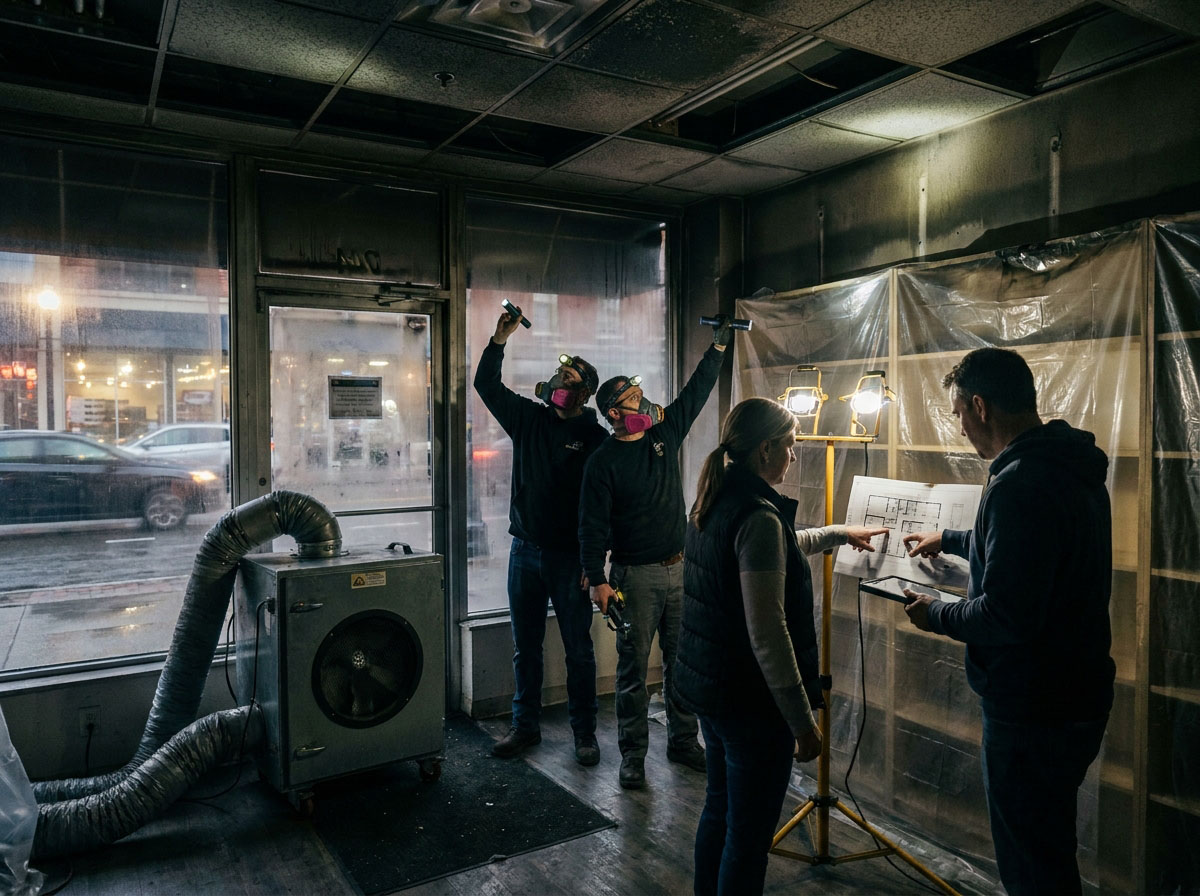
From Destruction to Restoration: A Nassau County Residential Case Study
Last winter, a kitchen fire devastated a classic colonial home in Garden City. The homeowner attempted to wipe down the walls with basic household cleaners, but the acidic soot had already etched into the cabinetry and drywall within forty-eight hours.
When our team arrived, the air quality was hazardous and the structural integrity was under threat. We implemented a systematic approach to salvage what remained, proving that expert intervention is the difference between a total loss and a full recovery.
The Restoration Roadmap
- Phase 1: Rapid boarding and structural stabilization to prevent further exposure.
- Phase 2: Specialized media blasting to strip char without damaging base materials.
- Phase 3: Odor neutralization utilizing industrial ozone technology.
- Phase 4: Precision reconstruction to match the home's original character.
The results were stark. By replacing porous materials like insulation while carefully restoring the hardwood flooring and heirloom furniture, we saved the client nearly 60 percent compared to the cost of a full demolition. This specific project showed that when you act fast in Nassau County, you can preserve the soul of your home instead of starting over from scratch.
Coordinating Seamlessly with Your Homeowners Insurance Provider
Dealing with insurance adjusters while your home is in disarray feels like a second job you never applied for. The secret to getting your claim approved without massive delays is meticulous documentation from the very first hour.
Start by photographing everything. Do not move a single item until you have captured wide shots and closeups of the damage.
- Create a folder for every email, call log, and adjuster visit.
- Save receipts for any immediate expenses like emergency boarding or temporary housing.
- Request an itemized scope of work from your restoration team to share with your agent.
Your insurance company wants proof of loss, but they also care about mitigation. They expect you to take basic steps to prevent further damage, such as tarping a roof or securing a broken window.
If you fail to act, the adjuster may deny coverage for issues that could have been avoided. Let your restoration company handle the heavy lifting here, as we speak the insurance industry language fluently and provide the technical reports they require to cut a check.
Final Words
You have been through the fire, but you do not have to live in its shadow. Taking control of your recovery starts with choosing the right team to handle your Fire Damage Restoration needs before secondary damage sets in.
Time is not your friend once the smoke settles. Every hour you wait allows acidic soot to etch deeper into your walls, flooring, and personal belongings.
Your Immediate Action Plan
If you are ready to stop the clock on further destruction, follow these simple rules to ensure your home stays protected:
- Do not attempt to wash soot-covered walls yourself, as rubbing it in often makes the stain permanent.
- Open windows only if the outdoor air is clean and the weather permits, otherwise, keep the house sealed to stop moisture.
- Call an emergency response team that understands the specific building codes and environmental challenges in Nassau County.
Your property can be restored to its former condition, but you must act with precision. Do not gamble with your largest financial asset by choosing an unproven contractor.
Reach out to specialists who treat your house like it is their own. Let us help you put the pieces back together so you can focus on your family instead of the damage.
People Also Ask
How soon should I start the fire damage restoration process in Nassau County?
You should begin the restoration process immediately after local authorities declare the structure safe. Rapid intervention is critical to prevent acidic soot from causing permanent etching on surfaces and to mitigate secondary water damage.What are the primary health risks associated with fire damage?
The primary risks include exposure to toxic particulate matter, volatile organic compounds, and dangerous mold growth. According to the federal government, poor indoor air quality following a fire can exacerbate respiratory conditions like asthma.Does homeowners insurance cover fire damage restoration in Nassau County?
Most standard homeowners insurance policies cover fire damage, including the costs for structural repairs and professional cleaning. You must document all damage thoroughly and contact your provider before starting any major cleanup to ensure your claims are processed correctly.Why is DIY cleanup not recommended after a fire?
DIY efforts often fail to remove microscopic soot particles that become embedded in ventilation systems and porous building materials. Professional remediators use specialized equipment like hydroxyl generators and HEPA vacuums to ensure the environment is truly safe for occupancy.How long does the fire restoration process take?
The timeline varies significantly based on the severity of the fire and the square footage of the property. Simple smoke remediation might take a few days, while major structural reconstruction can span several weeks or months depending on permit requirements in Nassau County.Need Water Damage Restoration Services?
We provide immediate water damage mitigation and restoration services to property owners throughout Nassau County and surrounding communities. Our rapid response teams stabilize your home or business to prevent further damage and restore your property to pre-loss condition (11501, 11530, 11550, 11590, 11001).
Request Project Estimate