
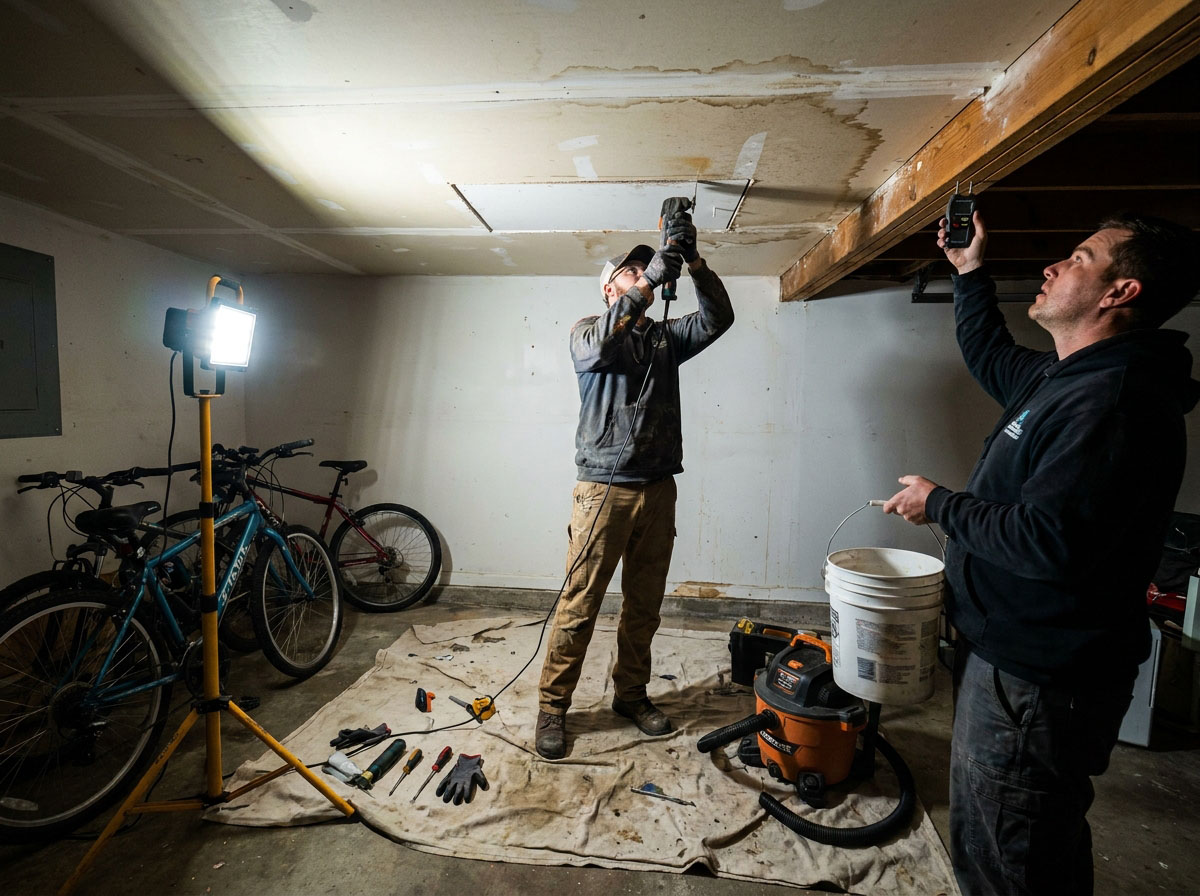


⚡ TL;DR: This comprehensive guide provides Nassau County homeowners with essential steps for effective water damage cleanup, helping you prevent structural decay and restore your property after a flooding incident.
📋 What You’ll Learn
Navigating water damage in Nassau County requires swift action and local expertise. This guide provides essential steps to mitigate property destruction and restore your home effectively following a severe flooding event.
- Execute immediate emergency steps to stop the spread of moisture, protect your personal belongings, and significantly reduce the risk of long-term structural decay in your flooded Nassau property.
- Identify hidden moisture threats that typically plague Long Island basements, helping you recognize signs of mold growth and secondary water damage before they compromise your home safety.
- Master professional drying standards by understanding how industrial equipment and scientific moisture mapping work together to ensure your residence is dried thoroughly to prevent future structural issues.
- Analyze real restoration costs through a detailed breakdown of service estimates, giving you a clear financial picture of what to expect when hiring local recovery professionals today.
- Implement proactive maintenance strategies designed specifically for our coastal climate, ensuring your drainage systems and foundation remain resilient against the next heavy storm or major pipe leak.
📖 Reading time: 8 min
✍️ Author expertise: Nassau County restoration specialist with fifteen years of hands on flood mitigation field experience.
You wake up to the sound of water dripping in your basement, only to find your prized possessions floating in a rising tide of gray sludge. The panic hits your chest like a physical blow because you know that every minute you wait, the structural damage to your Nassau County home gets worse.
Most homeowners assume a quick mop and a box fan will do the trick, but that is a recipe for permanent mold growth and rotting floorboards. Professional restoration is not a luxury; it is the only way to stop a minor leak from becoming a total property loss.
If you want to save your home from disaster, here is exactly how you should handle the first sixty minutes after the pipes burst or the storm surge hits.
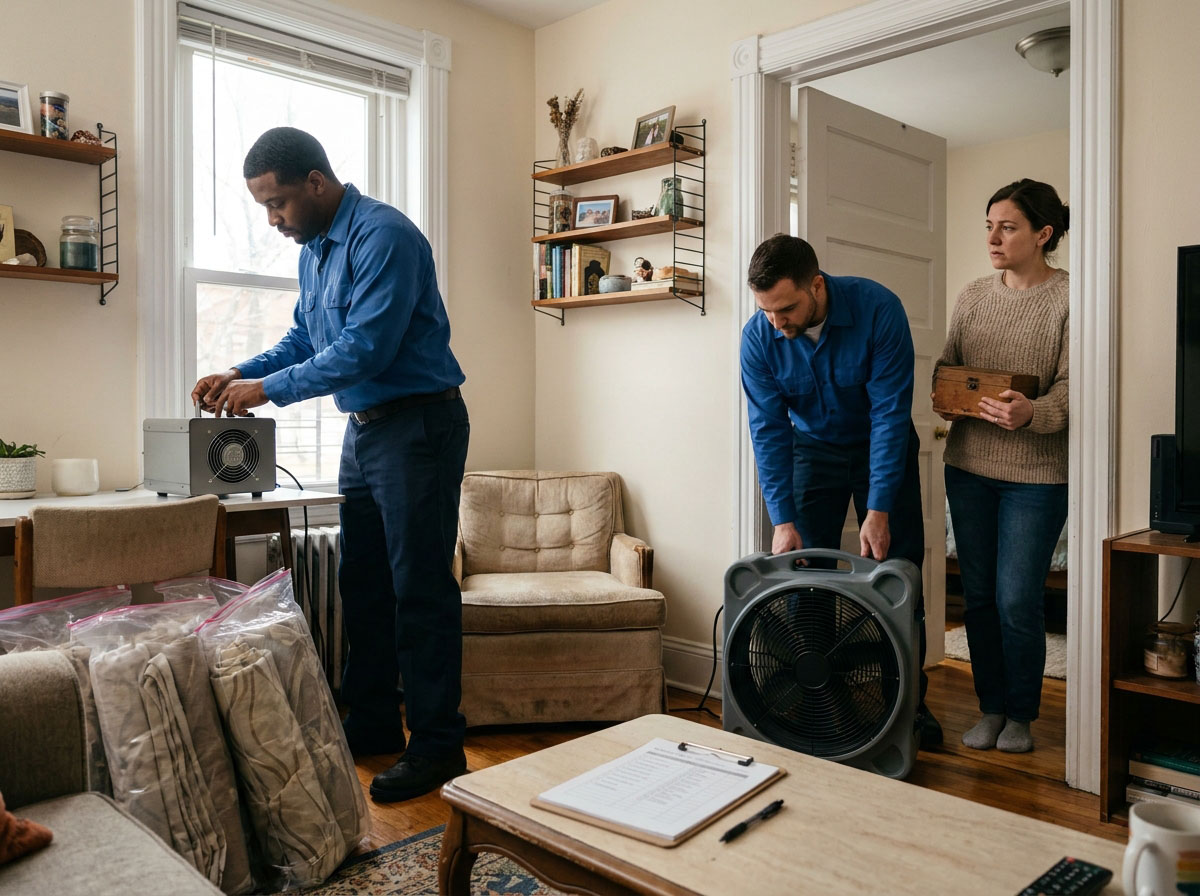
The First Hour: Critical Immediate Actions to Minimize Property Damage
When the water starts rising, your brain might freeze, but you must act fast. You are playing a game of speed against permanent structural rot. If you do not shut off the source, you are just watching your equity wash away.
Start by heading straight for the main water shutoff valve. If you cannot find it or if the area is already flooded, call your local utility provider immediately. Safety comes first, so do not step into standing water if there is any chance of electrical current running through it.
Once the water is off, follow these rapid steps to protect your property:
- Cut the power to the affected area at the breaker box to prevent electrocution.
- Move portable items, such as rugs, books, or electronics, to a dry, elevated location.
- Punch small holes in the ceiling if water is pooling behind drywall to prevent a total collapse.
- Document everything with photos and videos for your insurance adjusters before you move a single item.
Avoid the urge to start vacuuming with your household Shop-Vac. Those machines are not built for deep extraction and often trap bacteria deep inside their canisters. Keep the area clear and call in a professional team to handle the extraction with industrial-grade pumps.
Hidden Dangers: Why Nassau County Basements Are Prone to Secondary Structural Decay
Living in Nassau County means dealing with a high water table and aging foundation systems. When water invades your basement, it rarely stays where you see it.
Gravity pulls moisture deep into porous concrete, floor joists, and drywall backing. This creates a hidden sanctuary for mold that thrives in the dark, damp crevices of your home’s skeletal structure.
Many homeowners ignore the warning signs until the damage has already compromised the integrity of their property. You must understand that moisture trapped behind your walls acts like a slow-motion wrecking ball.
Common Secondary Damage Risks
- Microbial growth: Mold colonies can begin to sprout in as little as 24 to 48 hours after exposure.
- Foundation shifts: Persistent water pressure against basement walls leads to cracks and bowing over time.
- Wood rot: Damp floor joists lose their load-bearing capacity, which can cause floors above to sag or become unstable.
- Electrical corrosion: Wicking moisture can travel through wire insulation, leading to dangerous shorts or fire hazards inside your walls.
Most people make the mistake of waiting for the air to feel dry before they act. By then, the subsurface saturation has already caused permanent warping in your building materials.
Professional assessment is critical because we look for the moisture you cannot see. We use thermal imaging to map out hidden water pockets, ensuring that your home is dried from the inside out, rather than just treating the surface.
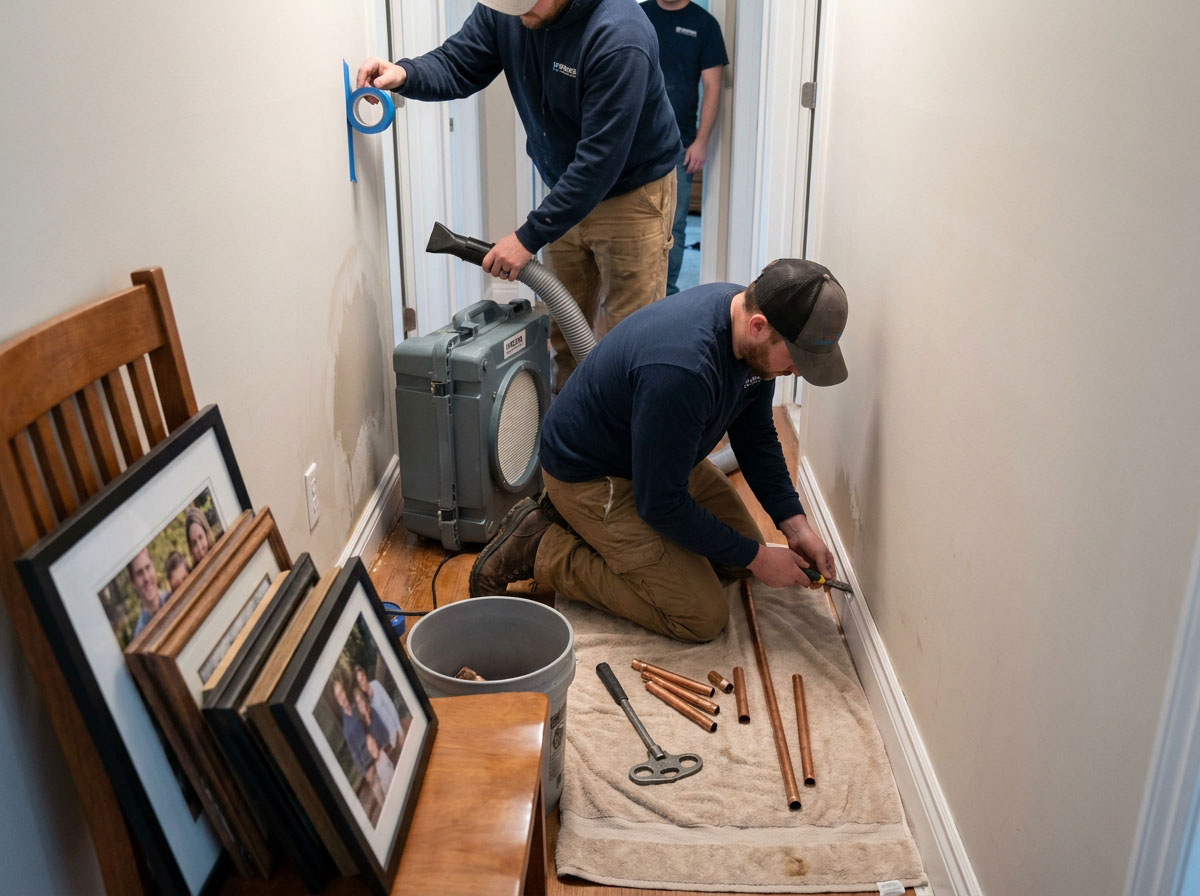
Professional Restoration Standards: The Science Behind Industrial-Grade Drying
Most people think drying a house is as simple as opening a window or running a dehumidifier from the local hardware store. In reality, structural drying is a precise scientific process that relies on moisture mapping and psychrometrics.
If you miss even a small pocket of trapped humidity behind your drywall, you are essentially inviting mold to set up shop. Professional crews use specialized equipment that forces the environment to give up its water content, ensuring your home is dry at the molecular level.
The Equipment That Makes the Difference
You cannot fight a basement flood with consumer grade tools. Restoration teams bring the heavy artillery to force evaporation and pull moisture out of dense materials like concrete and subflooring.
- Low Grain Refrigerant Dehumidifiers: These units scrub moisture from the air much faster than standard home models.
- High Velocity Air Movers: We position these to create a laminar airflow that forces trapped water to evaporate instantly.
- Moisture Meters: Sensors placed in floors and walls provide real-time data so we know exactly when a surface is safe.
- HEPA Filtration: These scrubbers capture microscopic mold spores and airborne contaminants released during the cleanup.
The goal is to reach an equilibrium moisture content before we call a job finished. We do not stop just because the floor feels dry to the touch; we keep the gear running until our instruments confirm that the hidden internal structure is truly bone dry.
From Disaster to Restoration: A Case Study of a Flooded Levittown Basement
A Levittown family recently faced a catastrophic basement flood when a main sewer line backed up during a heavy Long Island rainstorm. By the time they called us, the water had already soaked into the drywall and reached the electrical outlets.
They made the mistake of trying to shop-vac the water themselves, which only moved the contaminants around. Here is how our team turned that mess back into a livable space:
- We immediately contained the area to prevent cross-contamination of the rest of the home.
- Our technicians applied antimicrobial treatments to neutralize bacteria from the sewage water.
- Industrial-grade dehumidifiers ran 24/7 to draw moisture out of the studs before mold could take hold.
The secret to saving their basement was speed. We removed all saturated flooring and baseboards within the first six hours, ensuring the foundation remained dry and stable. Because we acted fast, we avoided the need for a full demolition and saved the homeowner thousands of dollars in reconstruction fees.
Don't fall for the trap of thinking a dry floor means a dry basement. Water wicks up into drywall and insulation like a sponge, creating hidden pockets of moisture that lead to toxic spores. If you see standing water, assume the damage is deeper than it looks and get the pros on-site before the clock runs out.
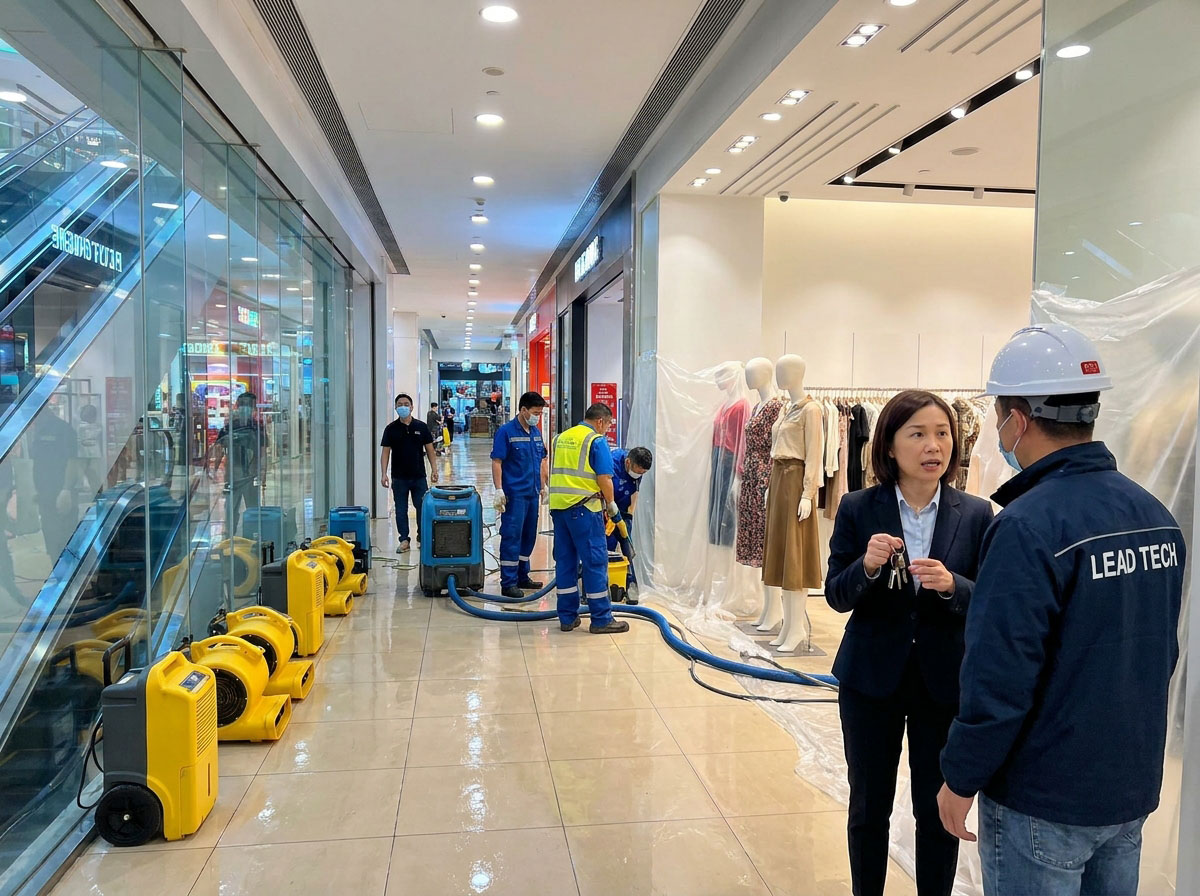
Emergency Response Cost Breakdown: A Detailed Table of Restoration Service Estimates
When water strikes, the financial uncertainty is often as stressful as the physical damage. You need to know what you are looking at before you commit your hard-earned money to a contractor.
While final prices depend on the severity of the saturation and the square footage involved, the following table provides a clear look at standard industry pricing for Nassau County residents. These figures represent the typical range for professional mitigation efforts.
| Service Type | Estimated Price Range |
|---|---|
| Emergency Water Extraction | $500 – $1,500 |
| Industrial Dehumidifier Rental | $200 – $600 per day |
| Antimicrobial Treatment | $300 – $900 |
| Full Structural Drying | $1,500 – $4,500 |
| Mold Remediation Setup | $1,000 – $3,000 |
Keep in mind that these estimates cover the immediate, critical response phase. If you wait more than 48 hours, the cost spikes rapidly because you will likely need to replace drywall, insulation, and flooring rather than just drying them out.
Most reputable restoration companies will bill your insurance company directly. This removes the burden from your shoulders and ensures that the claims adjuster gets the detailed documentation they require to approve your payout.
Factors That Influence Your Final Bill
- The source of the water, such as a clean pipe break versus contaminated sewage backup.
- The total volume of standing water present in the basement.
- The level of moisture saturation in porous materials like wood studs and carpets.
- The time of day or weekend surcharges for emergency dispatch services.
Avoiding Future Floods: Proactive Maintenance Tips for Long Island Homeowners
Most Long Island residents wait for a disaster before checking their home defenses, but that is a costly mistake. You do not need a degree in engineering to secure your property against the next heavy storm or plumbing failure.
Start by auditing your home’s exterior and interior weak spots this weekend. A few hours of work now will save you thousands in restoration bills later.
Essential Defense Checklist
- Check your sump pump every three months by pouring a bucket of water into the pit to ensure it kicks on automatically.
- Inspect all window wells for debris that blocks drainage, as these are common entry points for heavy rain.
- Install water leak detectors near your water heater and washing machine to get alerted the second a pipe begins to weep.
- Clear your gutters and downspouts twice a year to ensure roof runoff is diverted at least six feet away from your foundation.
- Seal any cracks in your basement walls with hydraulic cement to prevent groundwater from seeping inward.
Your foundation is the heart of your home, and keeping it dry is a daily responsibility. If you notice persistent dampness or musty smells after a light rain, do not ignore them. It is almost always a sign that your moisture barrier has failed and water is finding a way inside.
Take control of your home’s safety by addressing these small issues before they snowball. A dry home is a valuable home, and keeping it that way is well within your reach.
Final Words
When your home is drowning, you do not have time to guess which contractor is trustworthy. Speed is your best friend, but experience is your insurance policy.
If you find yourself staring at rising water, act fast and contact our team for immediate Water Damage Cleanup. We have the heavy gear and the local knowledge to save your floors, walls, and sanity.
Do not let a small leak turn into a financial nightmare that ruins your weekend or your property value. Remember, the clock is ticking against the mold, and we are ready to roll at a moment’s notice.
Three rules to live by:
- Cut the power to the wet area immediately to prevent electrical fires.
- Move your valuables to dry, high ground to save your family heirlooms.
- Call experts before you try to dry the area yourself with basic shop vacuums.
You worked hard for your home, so protect it with the right team on speed dial. We handle the dirty work so you can get your life back to normal without the headache of long term structural decay.
People Also Ask
How quickly should I call for water damage cleanup in Nassau County?
You should contact a professional restoration service immediately after discovering water damage to prevent long term structural issues. Speed is essential because mold growth can begin in as little as 24 to 48 hours.Does homeowners insurance cover water damage restoration?
Most standard homeowners insurance policies cover sudden and accidental water damage, such as a burst pipe. However, damage caused by neglected maintenance or flooding may require specific flood insurance coverage to qualify for a claim.What are the primary causes of basement flooding in Long Island homes?
Many Long Island basements flood due to high water tables, failing sump pumps, or heavy storm surges during Nor'easters. Poor exterior drainage and cracked foundation walls also allow groundwater to seep into lower levels of the property.Can I dry out a flooded basement using just fans and a dehumidifier?
Residential equipment is rarely powerful enough to remove deep moisture trapped within drywall, insulation, and floor joists. Industrial grade drying is necessary to ensure the structural integrity of your home and to prevent hidden mold proliferation.How much does professional water mitigation cost in Nassau County?
Restoration costs vary significantly based on the volume of water, the affected square footage, and the materials that require removal. Professionals provide estimates after an on site inspection to assess the specific drying requirements for your property.Need Water Damage Restoration Services?
We provide immediate water damage mitigation and restoration services to property owners throughout Nassau County and surrounding communities. Our rapid response teams stabilize your home or business to prevent further damage and restore your property to pre-loss condition (11501, 11530, 11550, 11590, 11001).
Request Project Estimate