
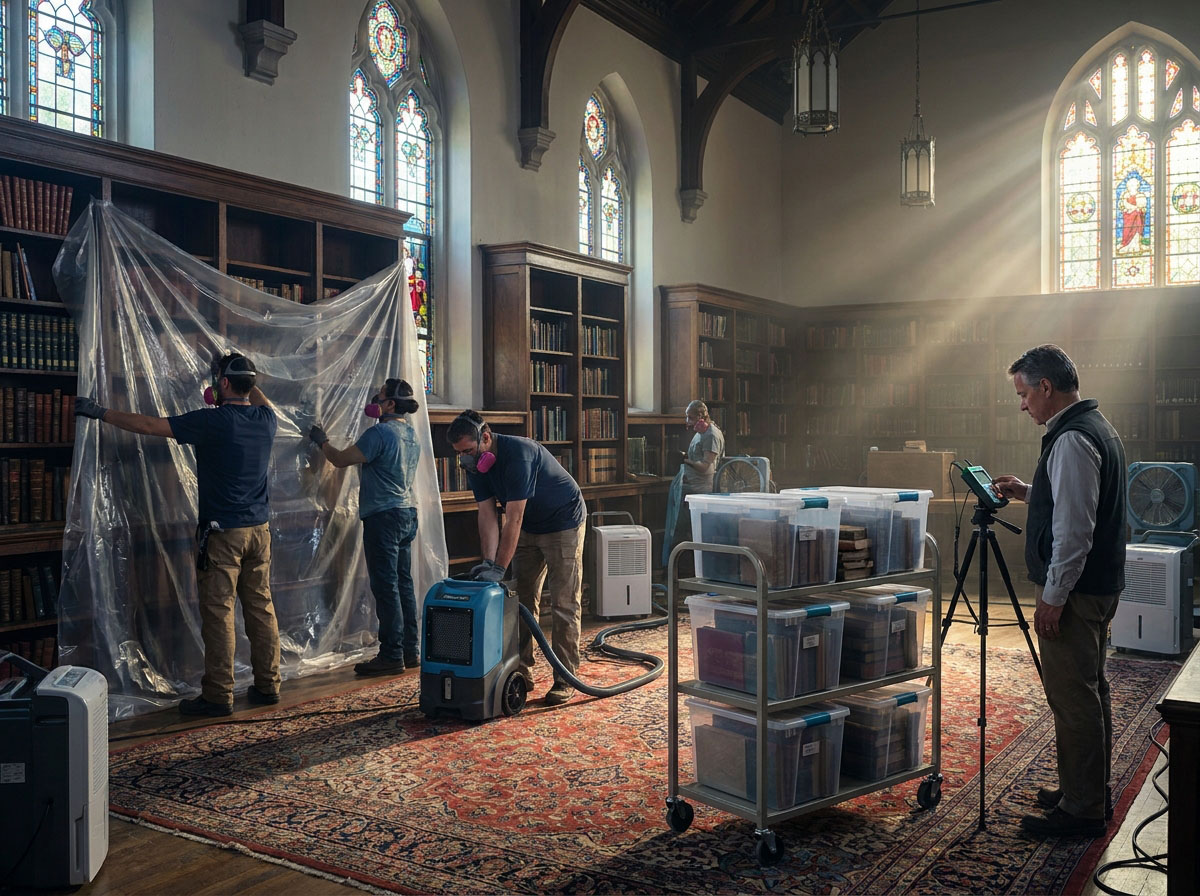


⚡ TL;DR: Effective mold remediation in Nassau County requires addressing the root moisture source rather than surface cleaning, which ensures complete spore removal and prevents future property damage for homeowners.
📋 What You’ll Learn
Navigating mold remediation in Nassau County requires knowing exactly what contractors often overlook. This guide reveals critical industry shortcuts and the proven steps necessary to ensure your home remains safe and healthy.
- Identify failed industry tactics by learning why common spray and wipe methods fail to address underlying moisture issues frequently found in older Nassau County homes and basement foundations.
- Master effective removal protocols through a deep dive into professional containment and physical spore removal techniques that go far beyond superficial cleaning to ensure complete interior air safety.
- Recognize hidden health dangers by understanding how incomplete mold remediation allows toxic spores to linger, leading to persistent respiratory issues and long term structural damage within your living space.
- Implement lasting prevention strategies using field tested methods to moisture proof your property, stop recurring infestations at the source, and protect your significant investment for many years ahead.
📖 Reading time: 8 min
✍️ Author expertise: Local restoration expert with fifteen years remediating mold across Nassau County residential properties.
You smell that damp, earthy odor creeping out from behind your drywall, and suddenly your stomach drops. You aren't just dealing with a leak anymore; you are staring down a silent invader that is actively eating your home from the inside out.
Most mold remediation companies in Nassau County want to keep you in the dark. They bank on your panic, hoping you will sign a blank check before you realize they are using outdated methods that leave spores behind to grow again next season.
The truth is, the industry secrets they refuse to share could save you thousands of dollars and protect your family from toxic air quality. If you want to know how to stop the rot for good rather than just paying for a temporary cover-up, keep reading to see what the pros are hiding.
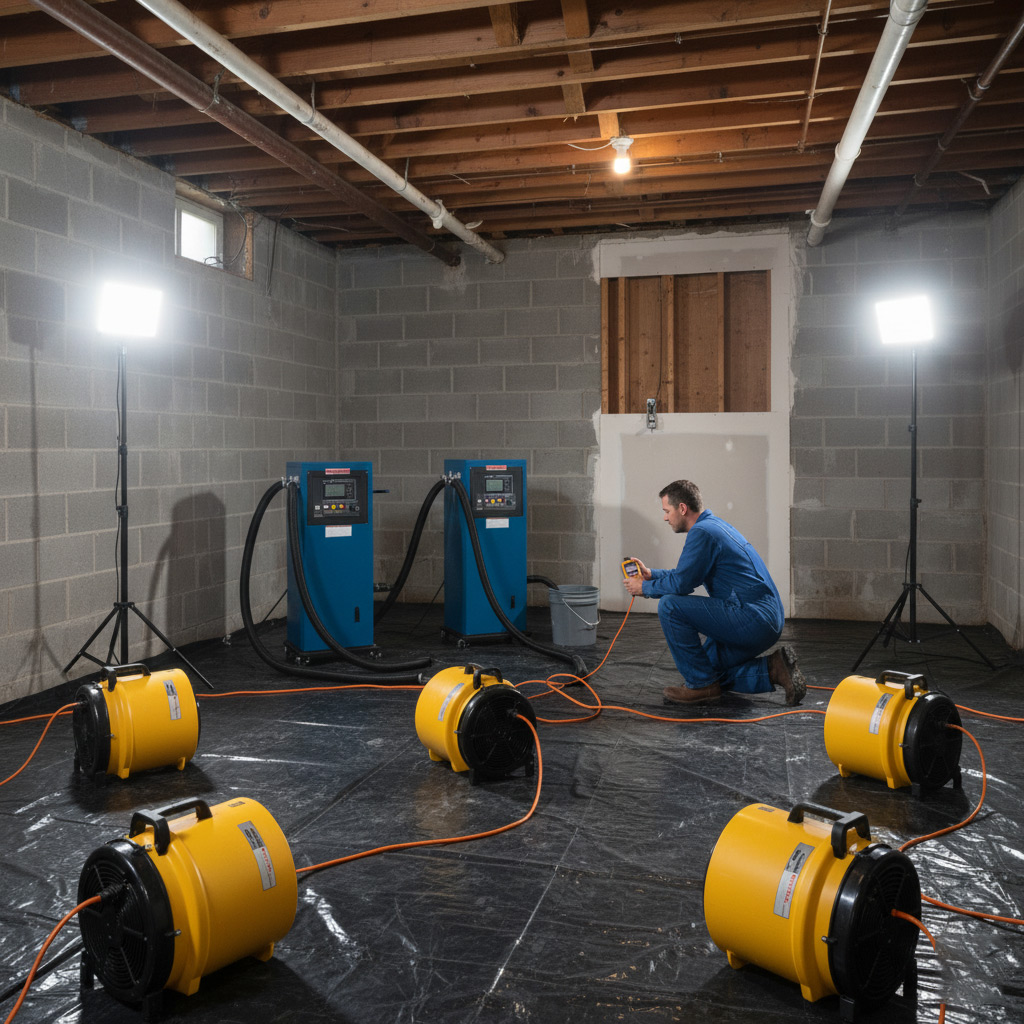
Why Standard Spray and Pray Remediation Fails Nassau County Homes
Many homeowners in Nassau County fall for the quick fix. They hire a contractor who shows up with a backpack sprayer, hits the visible mold with a chemical solution, and calls it a day. This is what we call the spray and pray method.
The problem is simple physics. Mold is not just a surface stain; it is a root system that digs deep into porous materials like drywall, wood studs, and insulation. When you only treat the surface, you are essentially trimming the grass while leaving the weeds firmly planted in your home's foundation.
If you choose these shortcut services, you are paying for a false sense of security. Here is why this amateur approach is doomed from the start:
- Chemical sprays do nothing to address the moisture source feeding the mold colony.
- Surface treatments rarely penetrate deep enough to kill the hyphae, which are the mold's actual roots.
- Incomplete removal leaves behind microbial volatile organic compounds that continue to contaminate your indoor air quality.
- Disturbing mold colonies without proper containment often causes millions of spores to go airborne, spreading the contamination to unaffected rooms.
Real remediation is about mechanical removal, not chemical masking. If a contractor tries to sell you on a quick-spray miracle without discussing moisture control and physical extraction, they are gambling with your health. Stop paying for temporary results that just end up blooming again the moment the humidity spikes in our humid Long Island summers.
The Anatomy of a Successful Mold Protocol: Beyond Surface Cleaning
Real mold remediation is not just cleaning; it is surgical extraction. Most basement operators in Nassau County treat mold like dirt on a kitchen floor, but mold is a biological system that colonizes deep into the structure of your house.
If you don't address the root source, you aren't fixing the problem; you are just hitting the snooze button on an alarm that will eventually wake you up. A legitimate protocol is a multi-stage battle plan that forces the colony to retreat.
The Four Pillars of True Remediation
You need to demand a plan that includes these non-negotiable steps to ensure the mold actually stays dead:
- Containment: Using negative air machines and physical barriers to stop spores from traveling to the clean parts of your house.
- Source Elimination: Identifying and fixing the moisture intrusion, because mold will always find a way to return if the water is still flowing.
- HEPA Filtration: Scrubbing the air with high-efficiency particulate air filters to capture the invisible spores kicked up during the cleaning process.
- Verification: Testing the environment after the work is finished to prove the air quality is back to baseline.
This process demands scientific precision rather than a quick spray of chemicals. If a contractor walks into your home and immediately starts spraying bleach on your walls, kick them out. Bleach only works on non-porous surfaces, and it does not kill mold roots embedded in porous drywall or wood studs.
Instead, professionals focus on physical removal of affected materials and controlled drying. Stopping the rot requires a dry environment; without that, any chemical you apply is just a waste of your hard-earned money.
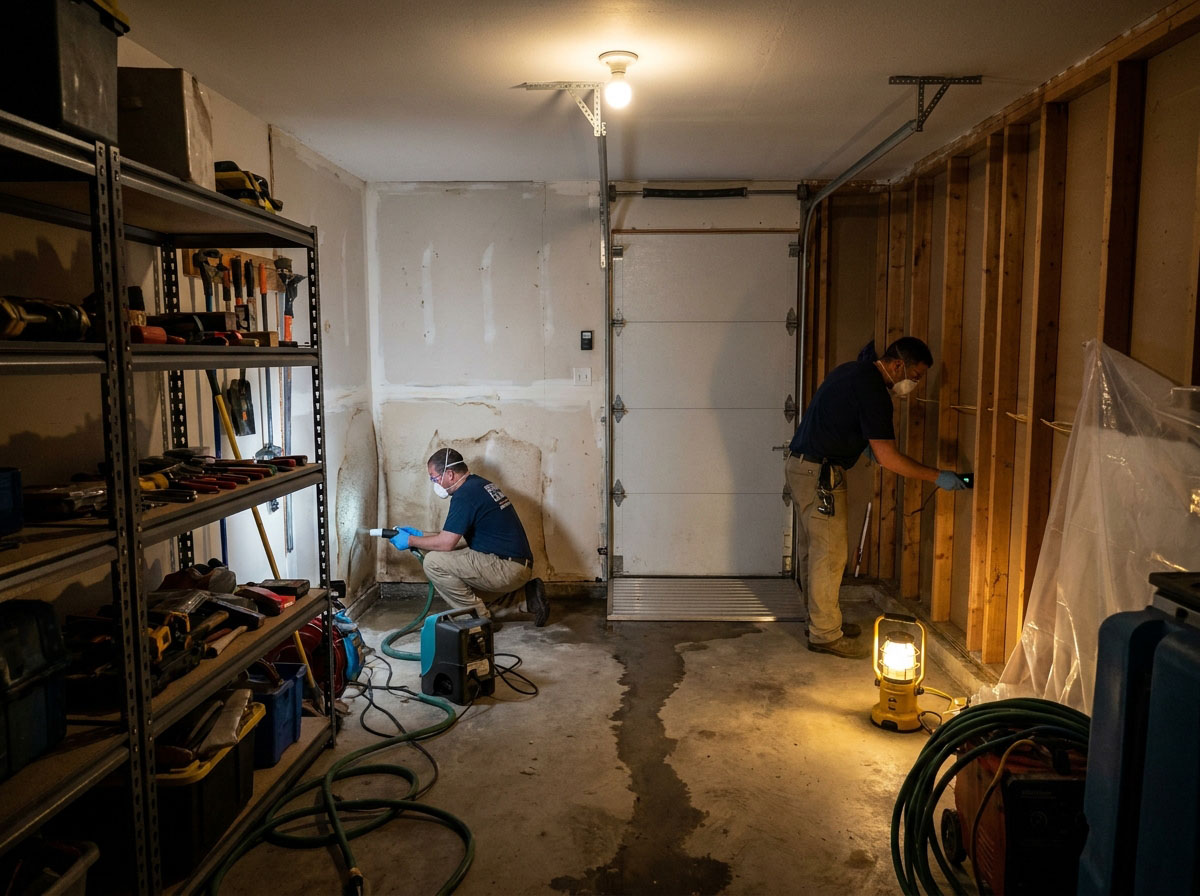
Comparison Table: Professional Remediation Standards vs. Industry Shortcuts
Most homeowners in Nassau County get fooled by low quotes that hide lazy practices. They assume that if the mold looks gone, the problem is solved, but this is a dangerous misconception that leads to recurring headaches.
| Feature | Professional Protocol | Industry Shortcut |
|---|---|---|
| Containment | HEPA filtered negative air | None or plastic sheets |
| Mold Removal | HEPA vacuuming and scrubbing | Surface bleach spray |
| Moisture Source | Root cause detection | Ignoring the leak |
| Air Quality | Post-remediation testing | Visual inspection only |
| Safety Gear | Full hazmat protection | Standard work clothes |
A true professional follows rigorous industry standards that prioritize your long-term health over a quick buck. They know that simply spraying a surface with bleach is not a fix; it is a temporary trick that often makes mold feed on the moisture provided by the spray.
When you hire a pro, you are paying for a comprehensive process designed to eradicate the threat at its source. Here are the core differences you should look for:
- Containment: Experts seal off the affected area to keep spores from migrating to your clean living spaces.
- Moisture Control: If the source of the dampness is not fixed, the mold will inevitably return within weeks.
- HEPA Filtration: Industrial grade air scrubbers remove the invisible microscopic spores that a regular vacuum would just spit back into the room.
- Third-party testing: Reputable teams always verify their work through independent lab samples to ensure the air is actually clean.
Avoid any company that promises to "wipe it down" and be gone in an hour. Real remediation requires patience, specialized equipment, and scientific precision to protect your home and your family.
Hidden Toxicity: The Long-Term Health Risks of Incomplete Spore Removal
When a contractor skips the essential steps of containment and air scrubbing, they are leaving your family to live in a toxic soup. Mold is not just a cosmetic issue that sits on a wall; it releases microscopic spores and mycotoxins that travel through your HVAC system and settle deep into your lungs and bloodstreams.
You might think that a quick wipe-down solved the problem. In reality, the most dangerous spores are often invisible to the naked eye. When these biological contaminants remain, they trigger a cascade of persistent health issues that many homeowners mistakenly attribute to seasonal allergies or general fatigue.
Common Symptoms of Chronic Mold Exposure
- Persistent headaches and brain fog
- Chronic respiratory irritation or unexplained coughing
- Severe fatigue that doesn't improve with sleep
- Skin rashes and localized inflammation
- Heightened sensitivity to environmental triggers
Ignoring the microscopic reality of an incomplete job is a dangerous gamble. If the root cause of the moisture is not addressed and the spores are not physically removed from your indoor air, the bio-load in your home continues to rise. This turns your living space into a sick building, where your health deteriorates the longer you stay inside.
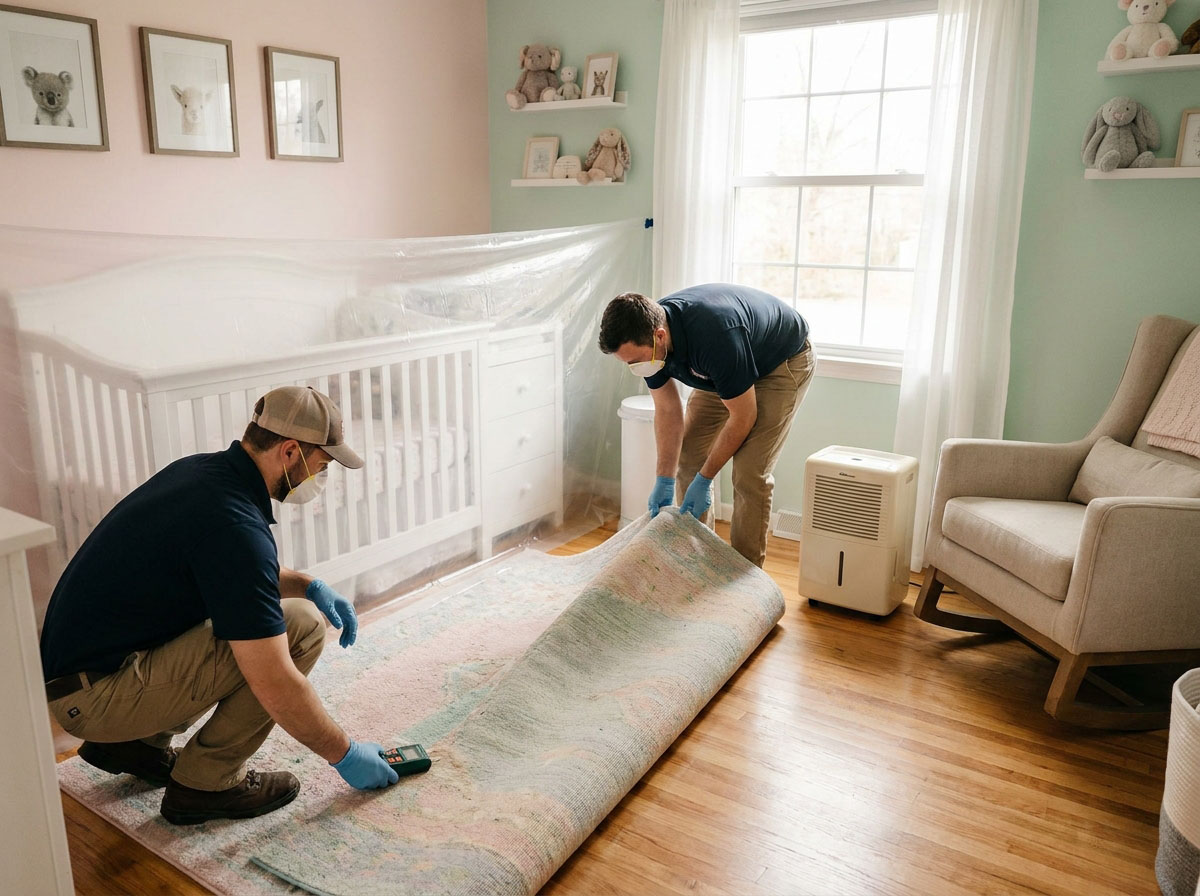
Eliminating Persistent Basement Mold in Garden City
Last autumn, we were called to a Garden City colonial where the basement had been "treated" by a fly-by-night contractor three separate times. The homeowner was exhausted, tossing out ruined holiday decorations and dealing with a persistent, musty stench that lingered despite constant air fresheners.
When our team arrived, we did not just look at the walls. We utilized moisture mapping to find the true culprit: a hairline crack in the foundation hidden behind outdated wood paneling.
The previous company had simply sprayed the surface and walked away. We took a different path to ensure the mold would not return:
- Removed all contaminated porous materials, including the water-logged drywall and insulation.
- Applied a professional-grade antimicrobial treatment to the structural joists to kill spores at the root.
- Installed a high-capacity dehumidification system to stabilize the basement environment.
- Sealed the foundation cracks with epoxy injection to stop moisture entry for good.
This situation highlights why surface cleaning is a lie. If you do not address the moisture source and the hidden root systems, you are only feeding the next bloom. Our intervention turned a recurring health hazard into a dry, safe storage space that has remained mold-free for over two years.
Essential Steps for Protecting Your Property from Recurring Infestation
Stopping mold isn't just about cleaning what you see today; it is about cutting off the supply chain that feeds the fungus. Most homeowners focus on the dark corners of their basement, but they ignore the hidden moisture sources that turn a dry house into a petri dish. If you don't fix the root cause, you are simply paying for a scheduled return visit.
You must address the environment to starve the spores before they have a chance to anchor themselves again. Focus your attention on these critical high-impact areas:
- Inspect your gutters and downspouts to ensure water is directed at least six feet away from the foundation.
- Install or upgrade your dehumidification system to keep indoor humidity levels strictly below 50 percent.
- Seal every foundation crack or window gap that allows humid Long Island air to seep into your living spaces.
- Check your HVAC system periodically for leaking pans or blocked condensation lines that release moisture directly into your ductwork.
It is also vital to keep your basement storage off the floor and away from exterior walls. Airflow is your best friend in the fight against mold growth. When you move boxes or furniture even a few inches away from walls, you allow enough circulation to prevent the stagnant, humid air pockets that mold thrives in. Don't let your stored belongings become a bridge for moisture to travel into your wall assemblies.
Final Words
Your home in Nassau County is likely your largest investment, so stop treating it like a disposable commodity. When you hire contractors to handle Mold Remediation, you are buying a permanent solution, not a cosmetic paint job.
Demand transparency before a single tool hits your floor. If a company hesitates to show you their containment protocols or their moisture detection logs, show them the door.
Here is how you hold the power in this relationship:
- Ask for a detailed scope of work that includes specific drying goals.
- Verify their certifications, not just their friendly personality.
- Insist on third-party air quality testing to prove the job is actually finished.
Real remediation is not about hiding the problem behind fresh drywall. It is about identifying the source of moisture, extracting the toxicity, and proving that your indoor air is safe to breathe.
Do not settle for shortcuts that put your family at risk. Stay skeptical, stay educated, and hold your contractors to the highest professional standards possible.
People Also Ask
Is mold remediation in Nassau County covered by homeowners insurance?
Coverage depends entirely on the specific cause of the mold growth, such as a sudden plumbing failure versus long term neglect. Most insurance policies exclude mold caused by flood events or gradual leaks, so it is vital to review your policy details carefully.How do I know if I have toxic mold in my home?
You cannot identify toxic mold by sight or smell alone, as many harmless molds mimic the appearance of dangerous varieties. The only reliable way to assess your indoor air quality is through professional mold inspection services that utilize surface sampling and air testing.Why does mold keep coming back after professional cleaning?
Mold typically returns because the root moisture source, such as a high basement humidity level or a structural leak, was not addressed. True remediation requires fixing the underlying water issue and removing all porous materials that have become deeply contaminated.What are the health risks of living with mold?
Exposure to mold spores can trigger allergic reactions, asthma attacks, and respiratory irritation in sensitive individuals. Prolonged exposure to high concentrations of indoor mold may lead to more significant health problems, especially for those with compromised immune systems.Do I need to leave my house during mold remediation?
It is highly recommended that you vacate the premises while technicians use industrial HEPA vacuums and containment barriers. This ensures your family is not exposed to the high concentration of spores released into the air during the active cleaning process.Need Water Damage Restoration Services?
We provide immediate water damage mitigation and restoration services to property owners throughout Nassau County and surrounding communities. Our rapid response teams stabilize your home or business to prevent further damage and restore your property to pre-loss condition (11501, 11530, 11550, 11590, 11001).
Request Project Estimate