
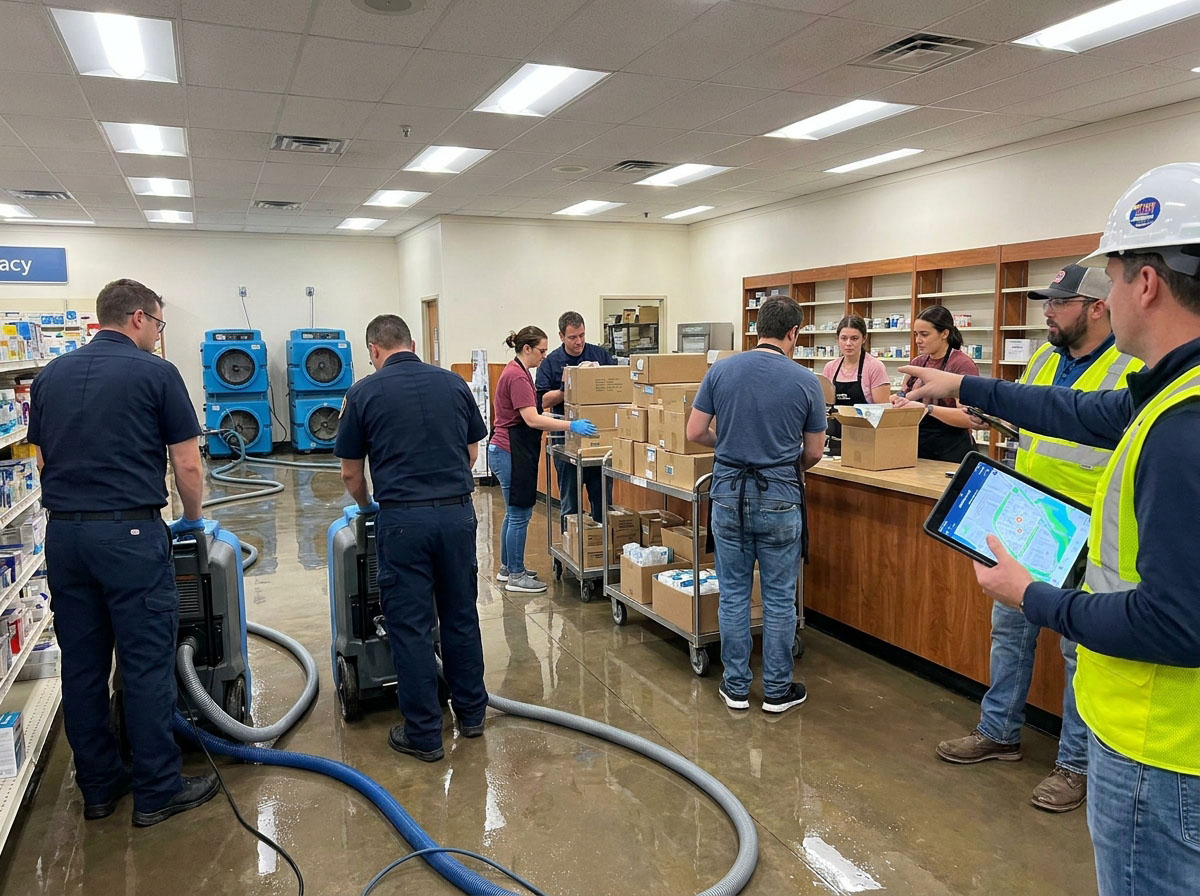


⚡ TL;DR: This guide provides essential strategies for effective flood damage restoration in Nassau County, helping homeowners protect their properties from hidden moisture issues and navigate the complex insurance claims process.
📋 What You’ll Learn
Living in Nassau County presents unique flooding challenges. This guide reveals essential secrets for restoring your home quickly, protecting your property value, and navigating local insurance claims with absolute confidence.
- Stop secondary damage immediately by learning the critical steps required during the first hour after a flood to prevent long term structural rot and dangerous mold growth.
- Detect hidden sub slab hydration through specialized techniques that identify moisture trapped beneath your floors, ensuring your home dries completely to avoid costly future foundation repairs.
- Master professional drying cycles by following our expert breakdown of drying times for various flooring materials, helping you coordinate effective restoration timelines for your coastal property.
- Maximize your insurance recovery by documenting every detail of your flood loss, giving you the necessary leverage to secure fair compensation for all hidden property damages.
- Implement proactive coastal defenses by understanding how to secure your basement and sump systems against the specific tidal patterns frequently impacting our beautiful Nassau County neighborhoods.
📖 Reading time: 8 min
✍️ Author expertise: Certified water damage restoration expert with fifteen years of experience throughout Nassau County.
You wake up to the sound of water pooling on your hardwood floors, and your stomach drops. In Nassau County, where coastal storms and aging infrastructure collide, a basement flood isn't just an inconvenience; it’s a direct hit to your property value and your peace of mind.
Most homeowners make the same panicked mistakes the moment they see water, effectively turning a manageable cleanup into a month-long nightmare. Insurance adjusters love when you slip up, but you don't have to give them the satisfaction.
I have spent years watching families lose thousands of dollars because they didn't know the specific local triggers that make our houses susceptible to deep-seated rot. Here are seven professional secrets that will save your sanity and your structure when the tide turns against you.
Read on to discover exactly how to protect your home from the hidden threats that most Nassau residents completely ignore.
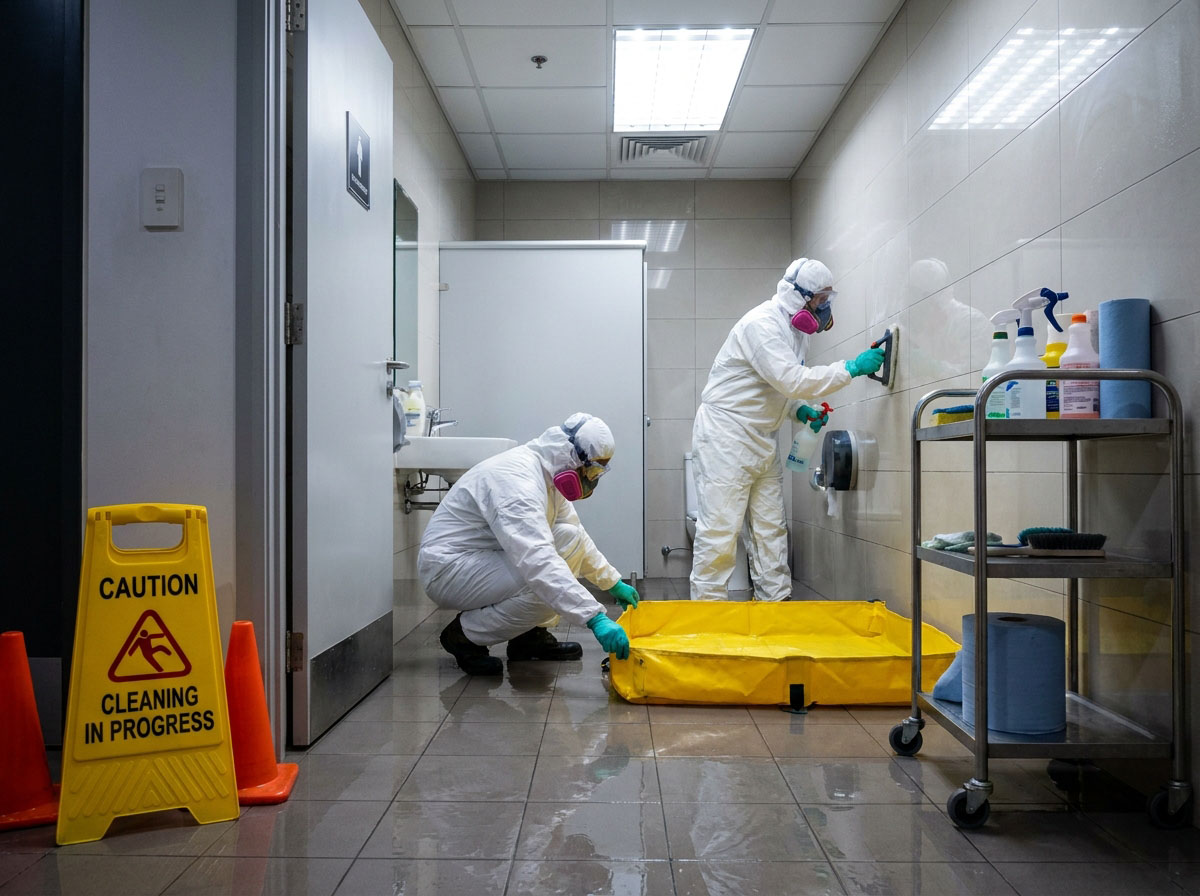
Stop the Secondary Damage: The Critical First Hour After a Breach
The first sixty minutes after a water intrusion are the most expensive hour of your life. While you are busy grabbing towels or staring at the mess in disbelief, moisture is already migrating into your baseboards, drywall, and subflooring.
Most people think a wet floor is just a surface problem. The reality is that your home acts like a giant sponge, and physics is working against you the moment the breach occurs.
If you want to stop the clock on destruction, you must prioritize these immediate actions before the professional crew arrives:
- Cut the power: If water is near electrical outlets or your breaker box, shut down the main power to avoid a lethal shock hazard.
- Find the source: If a pipe burst, turn off the main water valve immediately. If it is rising groundwater, stop trying to bail it out manually and call for industrial extraction.
- Protect your valuables: Move porous items like rugs, cardboard boxes, and fabric furniture to a dry area before they wick up moisture and start growing mold.
- Document everything: Take clear photos of the water line and the source of the flood. Your insurance adjuster needs this proof to prevent them from denying your claim later.
Secondary damage is not just water sitting on the floor. It is the wicking process where moisture travels upward into your walls, fueling toxic mold colonies that can sprout in under 48 hours.
Every minute you wait to engage professional-grade extraction equipment, you are essentially inviting hidden rot to take hold. Treat the first hour as a race against time, not a cleanup project for your weekend.
Nassau County’s Hidden Culprit: Why Sub-Slab Hydration Causes Invisible Rot
Most Nassau homeowners think that once they vacuum up the standing water, the war is won. That is the quickest way to end up with a house that smells like a wet dog and a foundation that is actively crumbling.
In our area, we are sitting on high water tables and dense soil. When floodwater sits, it does not just stay on the surface; it forces moisture deep into the concrete slab through capillary action.
This is what professionals call sub-slab hydration. The concrete acts like a sponge, pulling water deep into the pores and creating a breeding ground for mold that you cannot see.
The Real Danger Beneath Your Feet
You might think your floors look dry, but the moisture is trapped between the slab and your finishings. If you leave that moisture, it causes invisible rot that eats through wood framing and drywall from the bottom up.
Ignoring this leads to expensive structural repairs months down the road. You need to identify if moisture has penetrated your slab before it becomes a permanent resident.
- Watch for darkened spots on the baseboards that never fully fade.
- Check for a musty, earthy odor that gets stronger near the floor corners.
- Test for moisture using a simple hygrometer or professional moisture meter.
- Listen for a hollow sound when tapping on floor tiles or laminate edges.
If you suspect the water has traveled beneath the floor, do not wait for the surface to dry on its own. You need professional drying equipment to create the pressure differential required to pull that hidden water out of the slab.
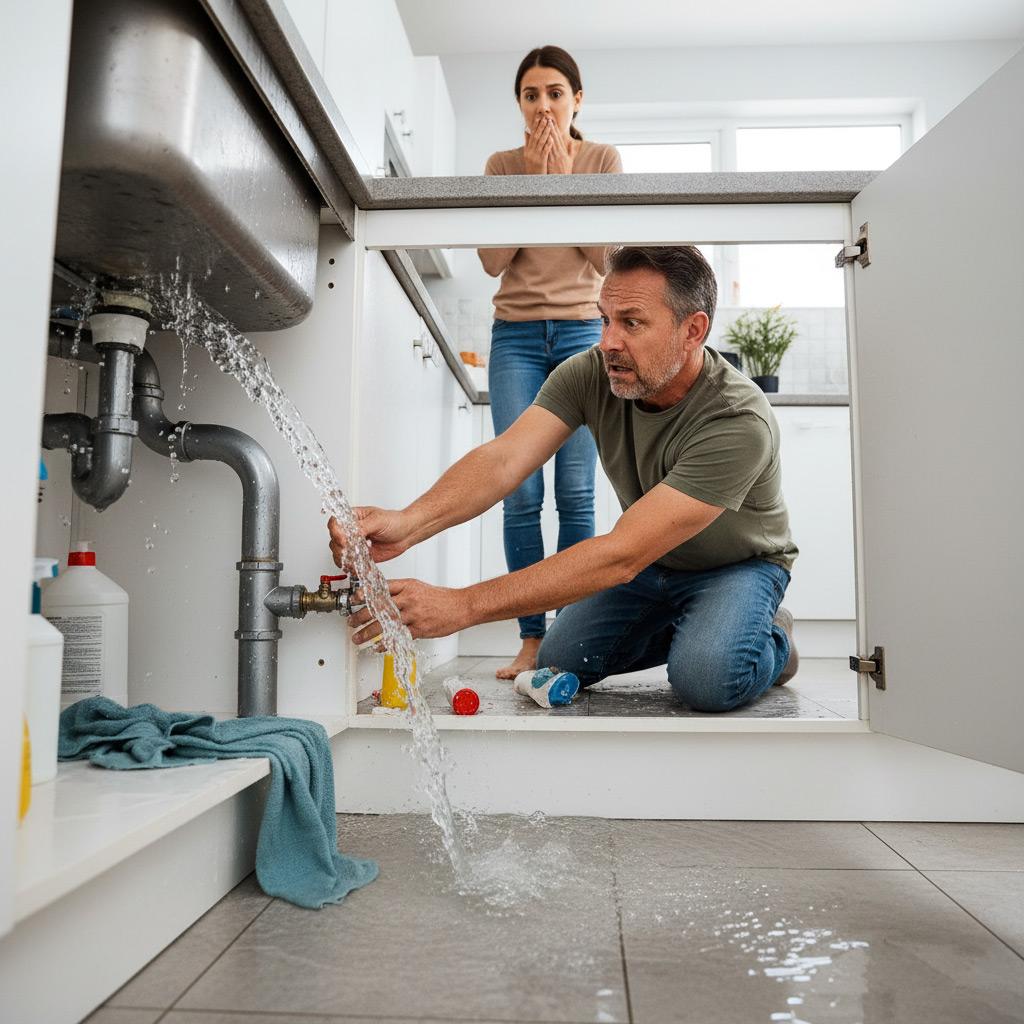
Restoration Timeline: A Table Breakdown of Drying Cycles for Different Flooring Materials
Time is your biggest enemy when water touches your subfloor. Most homeowners assume that if the surface feels dry, the problem is solved, but the materials beneath are likely still soaking up moisture like a sponge.
Different materials hold onto water for varying lengths of time. If you do not hit the specific drying target for your floor type, you are just inviting mold to set up shop in your home.
| Flooring Material | Estimated Drying Time | Risk Level |
|---|---|---|
| Ceramic Tile | 2 to 4 Days | Low |
| Engineered Wood | 5 to 8 Days | High |
| Solid Hardwood | 7 to 14 Days | Extreme |
| Luxury Vinyl Plank | 3 to 5 Days | Moderate |
| Concrete Slab | 10 to 14 Days | Critical |
Hardwood is a major headache in Nassau County because it swells and cups when exposed to hidden basement dampness. You cannot simply use a fan and hope for the best; you need industrial grade dehumidification to pull the moisture out before the wood warps beyond repair.
If you have luxury vinyl or tile, the water often migrates underneath the joints and settles on the slab. Even if the room feels dry, that trapped water will stay there for weeks, slowly rotting your baseboards and creating a musty odor that never goes away.
Key Factors That Slow Down Your Drying Cycle
- High humidity levels common in our coastal climate.
- Poor air circulation in confined basement spaces.
- Presence of porous subflooring like plywood or OSB.
- Lack of specialized moisture meters to track deep saturation.
Beyond the Pump: Professional Dehumidification Strategies for Coastal Homes
Most Nassau County homeowners stop the job once the shop vac or sump pump is dry. This is a massive mistake because our local air is thick with salt and humidity, which traps moisture deep inside your drywall and framing.
You cannot simply open a window to fix this. In coastal areas, the outside air is often more saturated than your basement, meaning you are essentially pumping more rot into your living space.
Professional restoration requires industrial-grade dehumidification that works by creating a low grain environment. This forces moisture out of porous materials like wood, insulation, and concrete before mold has a chance to take root.
Key Tactics for Effective Drying
- Targeted Air Movement: We use high-velocity air movers to scrub the surface of wet materials, speeding up evaporation rates.
- Closed System Drying: By sealing off the affected area, we create a climate-controlled chamber that pulls water out of the air faster than standard units ever could.
- Moisture Mapping: Using infrared cameras and non-penetrating meters, we track the progress of the dry-down to ensure the structure is actually stable, not just dry on the surface.
If you leave these systems to run for too little time, the internal moisture levels will spike again the moment you turn them off. Consistency is everything when you are fighting the unique salt-air conditions found here on the South Shore.
Do not be fooled by hardware store units that promise the world. They lack the grain depression capacity required to handle the heavy-duty saturation caused by a basement flood in our specific coastal climate.
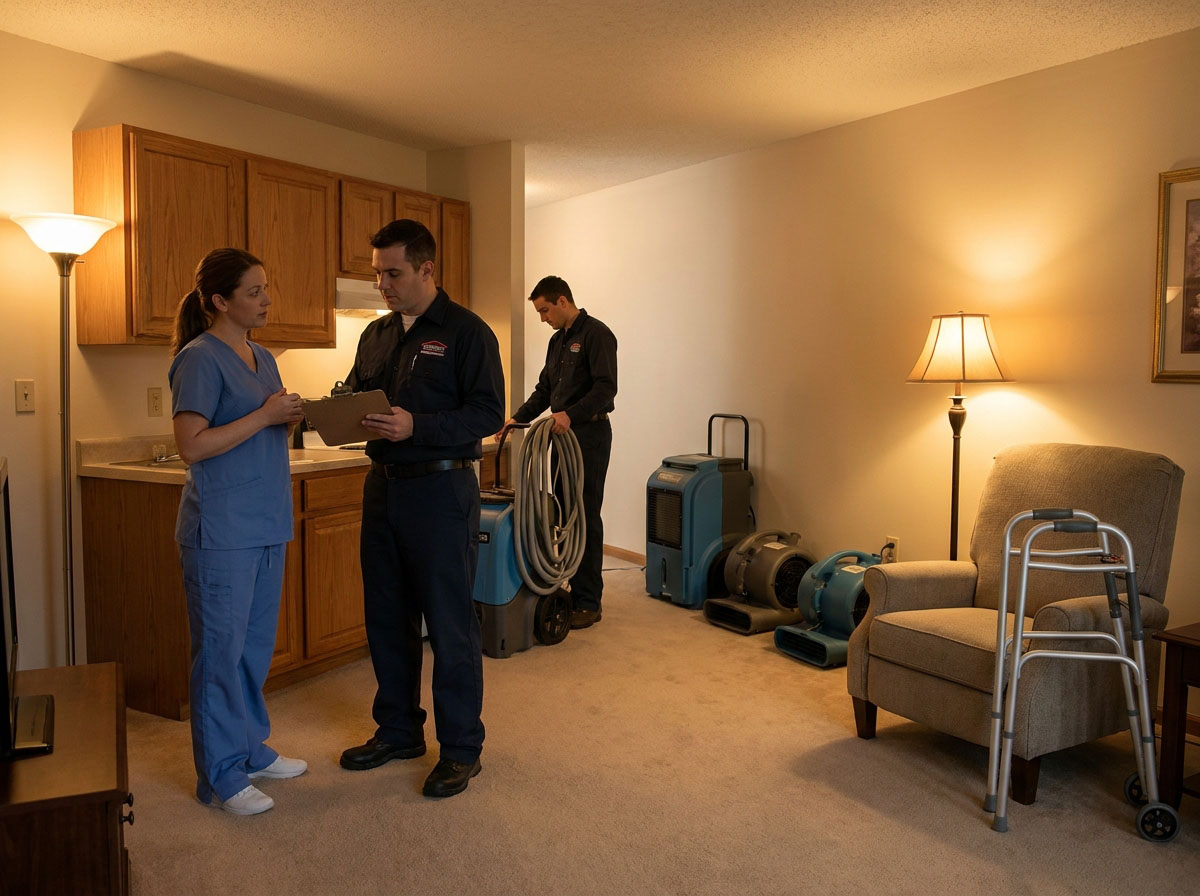
From Sump Pump Failure to Restoration: A Case Study of a Long Beach Basement Recovery
When a sump pump quits during a Long Beach nor’easter, it is rarely just about the standing water you see. We once worked on a property where the homeowner thought a quick shop vac job would solve the problem after a pump failure. Within forty-eight hours, the moisture had wicked up the drywall, creating a hidden breeding ground for toxic mold spores behind the finished basement walls.
This case shows that the recovery process requires a systematic approach to stop the damage from spreading. By the time our team arrived, the structural integrity of the base plates was already compromised. We had to execute a multi-phase restoration plan to save the lower level of the home:
- Immediate extraction of gray water to stop saturation of the concrete floor.
- Removal of non-salvageable drywall and saturated insulation up to two feet above the waterline.
- High-velocity air movement aimed at the wall cavities to force moisture out of the studs.
- Application of specialized antimicrobial treatments to prevent microbial colonization on hidden surfaces.
The lesson here is simple; do not wait for the basement to smell like a swamp before calling for help. Mechanical failure of a sump pump is a trigger for deep moisture penetration that standard home tools cannot fix. You need professional-grade dehumidification to pull the dampness out of the masonry itself, otherwise, the rot will keep chewing on your home long after the floor feels dry to the touch.
Negotiating with Insurance: How to Document Every Hidden Loss for Maximum Claims
Insurance adjusters are trained to protect the bottom line of the carrier, not your bank account. If you provide a vague list of damaged items, they will offer a vague settlement that leaves you paying for repairs out of your own pocket. To win, you must document the unseen as aggressively as you document the obvious.
Start your documentation the second you secure the property. Do not wait for the adjuster to show up before you start building your case. Use these tactical steps to ensure every penny is accounted for:
- Take high resolution video of the water lines on walls before you start any cleanup efforts.
- Photograph the brand names, serial numbers, and model tags of every appliance touched by moisture.
- Keep a detailed log of every hour you spend on mitigation, as your own labor often carries a monetary value in your policy.
- Save physical samples of ruined materials like carpet padding or baseboards, as these are often discarded by crews before the adjuster arrives.
Remember that hidden losses are the ones that kill your budget later. Moisture often travels behind cabinets, inside wall cavities, and under floorboards where it causes mold growth months down the road. Demand that your adjuster records moisture mapping results in their official report. If they ignore the deep damage, you have every right to bring in a public adjuster or an independent water restoration expert to verify the scope of the claim.
Proactive Steps to Secure Your Home Against the Next High Tide
You cannot stop the ocean, but you can stop it from owning your basement. Most Nassau County homeowners wait for the next storm forecast before acting, which is exactly why so many end up needing emergency Flood Damage Restoration services. Prevention starts with hardening your defenses during the dry spells.
Start by auditing your exterior drainage. If your gutters dump water right against your foundation, you are basically inviting the next flood inside. Extend your downspouts at least six feet away from the house to ensure that roof runoff doesn't pool near your basement walls.
Hardening Your Basement Defense
Your sump pump is the heart of your home defense system. If it fails, your floorboards are next. Follow these simple steps to ensure you stay dry:
- Install a battery backup system for your sump pump. Power grids in coastal areas get twitchy during high winds, and you need that pump running when the lights go out.
- Check your check valves. A faulty valve lets water flow right back into the pit, effectively recycling the flood.
- Seal every crack in your foundation with high quality hydraulic cement. Even a hair thin crack can act as a straw for rising groundwater.
Take a look at your landscaping slope. You want the dirt to pitch away from your home at a sharp angle. If you see water settling against the siding, bring in clean fill dirt and regrade the perimeter immediately.
Finally, consider installing backflow valves on your sewer lines. When the municipal systems hit capacity, that nasty water has to go somewhere, and your floor drain is usually the path of least resistance. Stop the backup before it starts by keeping these lines clear and protected.
People Also Ask
Does homeowners insurance cover flood damage in Nassau County?
Standard homeowners insurance policies typically do not cover damage caused by rising floodwaters. You should check the FEMA guidelines to determine if your property requires a separate policy to protect against storm surges and coastal flooding.How quickly does mold grow after water damage?
Mold can begin to colonize damp surfaces within 24 to 48 hours of a water intrusion. It is crucial to initiate professional drying procedures immediately to prevent the growth of spores behind your walls.What are the signs of sub-slab moisture in Long Island homes?
Common indicators include persistent musty odors, efflorescence on foundation walls, and buckled flooring or tile. These signs suggest that hydrostatic pressure is forcing water through your concrete slab, which requires specialized mitigation.Should I turn off the electricity if my basement floods?
Yes, you should turn off the main power supply if you can access the breaker box safely without standing in water. Never enter a flooded area if there is any chance that electrical components or outlets have been submerged.What is the difference between water extraction and dehumidification?
Water extraction involves removing standing liquid with industrial pumps and vacuums to clear the area. Dehumidification follows by pulling moisture out of the air and porous materials to ensure the structure reaches the correct humidity levels for safety.Need Water Damage Restoration Services?
We provide immediate water damage mitigation and restoration services to property owners throughout Nassau County and surrounding communities. Our rapid response teams stabilize your home or business to prevent further damage and restore your property to pre-loss condition (11501, 11530, 11550, 11590, 11001).
Request Project Estimate