
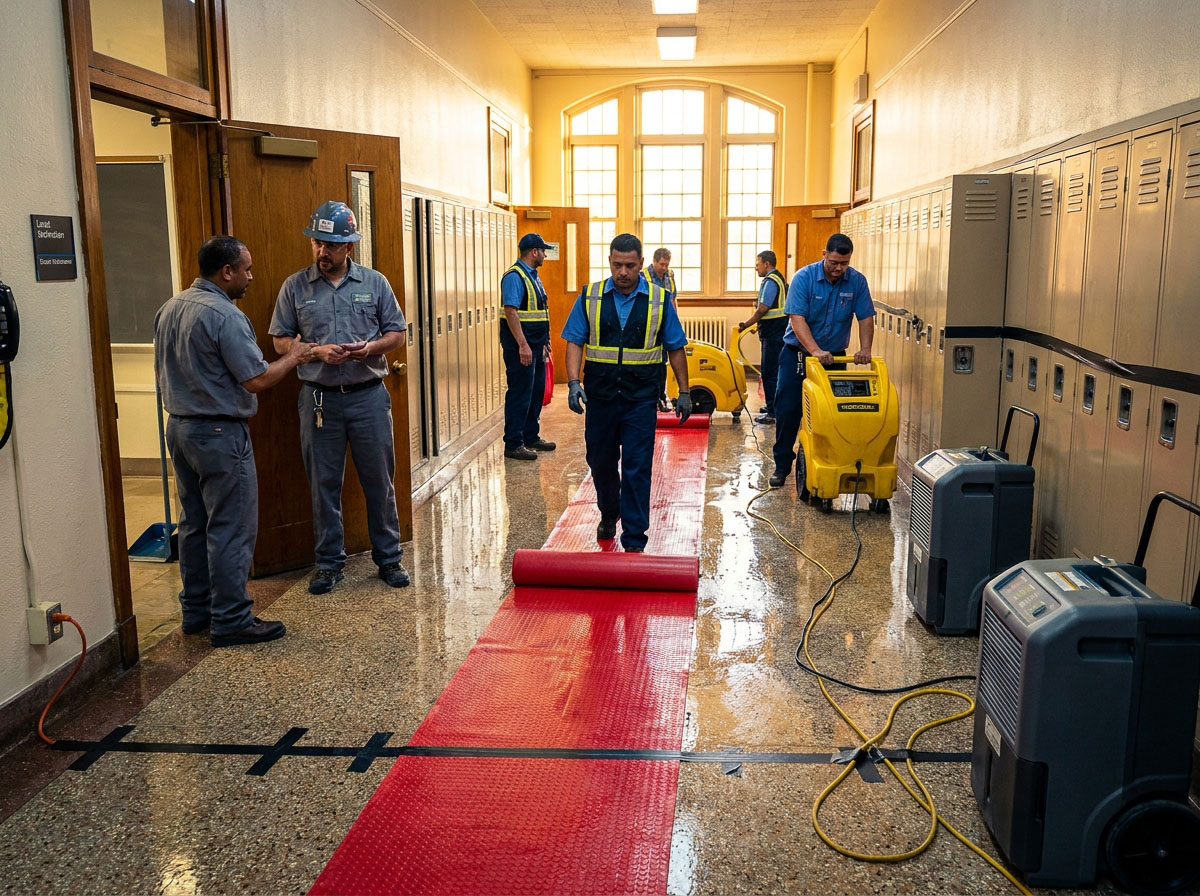


⚡ TL;DR: To ensure your property remains safe, learn how to avoid common errors during water damage repair in Nassau County by prioritizing professional restoration methods over risky home solutions.
📋 What You’ll Learn
Navigating water damage in your Nassau County property requires precision to prevent lasting structural issues. This guide identifies critical repair errors that could compromise your home and long-term property value.
- Identify hidden moisture pockets early to prevent the rapid growth of toxic mold colonies that often remain tucked away behind drywall and inside insulation in older local homes.
- Evaluate porous material replacement needs because common household cleaning methods often fail to sanitize saturated building materials, leading to persistent odors and structural decay in your living space.
- Compare DIY versus industrial drying to see why standard household dehumidifiers lack the power to properly extract deep moisture from Nassau basements and crawl spaces after a flood event.
- Review real Garden City success stories to understand how rapid, professional intervention serves as the best strategy for preserving historic architectural details and protecting your family from hazards.
📖 Reading time: 7 min
✍️ Author expertise: Certified restoration specialist with decades of hands-on water damage cleanup experience in Nassau County.
You wake up to the sound of water dripping in your basement, and within seconds, your gut tells you this is going to cost a fortune. Most homeowners in Nassau County panic, grab a few towels, and start making expensive blunders that turn a manageable leak into a long-term structural nightmare.
I have seen families lose thousands of dollars in property value simply because they thought they could handle a professional problem with a DIY mindset. These common errors often go unnoticed until mold starts growing behind the drywall or the floors begin to buckle weeks later.
Fixing water damage is not just about drying out the carpet. If you want to stop the rot and protect your home investment, pay close attention to these critical mistakes you need to stop making right now.
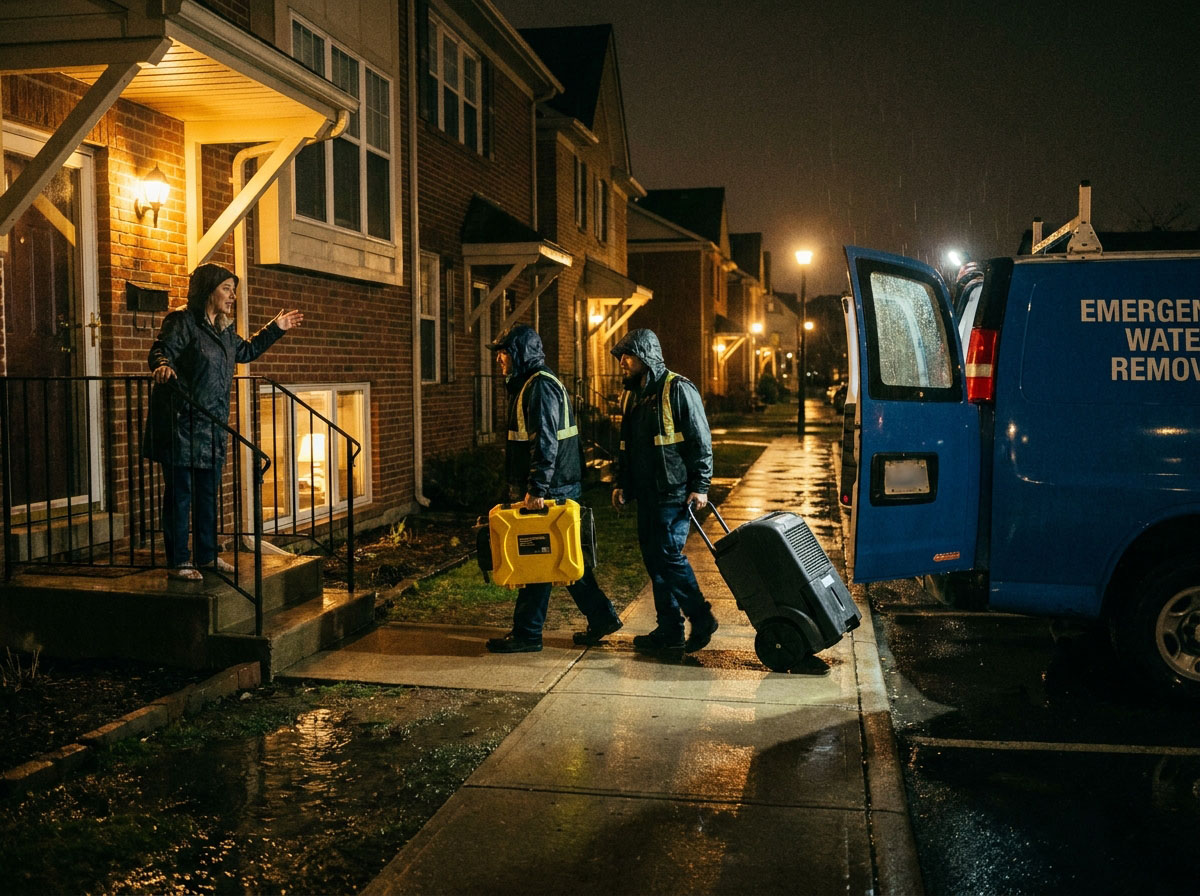
Neglecting the Hidden Dangers of Porous Materials in Nassau Homes
Nassau County homes, especially older builds with traditional insulation and drywall, act like giant sponges when water enters the structure. Most people assume that if the surface feels dry to the touch, the danger has passed.
That is a dangerous assumption. Porous materials like drywall, baseboards, and wood framing hold moisture deep inside their cellular structure long after the puddles disappear.
If you fail to address these hidden traps, you are essentially feeding a ticking time bomb. Mold colonies do not need much time to establish themselves in these dark, damp cavities.
Why Porosity Leads to Hidden Destruction
When water touches your walls, it wicks upward through capillary action. This means your drywall can be soaked two feet above the actual water line without showing obvious signs of saturation.
- Drywall: Acts as a wick, drawing moisture into wall cavities where it feeds insulation.
- Carpeting and Padding: These materials trap water against your subfloor, leading to permanent wood rot.
- Wood Studs: Once moisture penetrates the surface, wood swells and loses its structural integrity.
You cannot simply wipe down a wall and call it a day. If these porous materials are not professionally dried or surgically removed, they will continue to release humidity into your home, causing secondary damage to your indoor air quality and structural stability.
The Critical Error of Delayed Drying and Ignoring Hidden Moisture Pockets
Most Nassau County homeowners think that if a surface looks dry to the touch, the job is finished. This is the single biggest trap you can fall into.
Water has a nasty habit of traveling behind baseboards, seeping into wall cavities, and soaking into subfloors. If you don't use moisture meters to track these hidden pockets, you are essentially leaving a ticking time bomb inside your walls.
Waiting even forty-eight hours to start professional drying often triggers rapid fungal growth. Once mold takes hold in these dark, damp voids, it spreads with aggressive speed throughout your home.
Why Speed Matters
- Standing water degrades structural integrity within hours.
- Damp insulation loses its thermal resistance almost instantly.
- Humidity trapped inside wall frames causes wood to warp and rot from the inside out.
Ignoring these wet spots doesn't make them go away. It just gives the moisture more time to compromise your structural framing and invite unwanted microbial colonies into your living space.
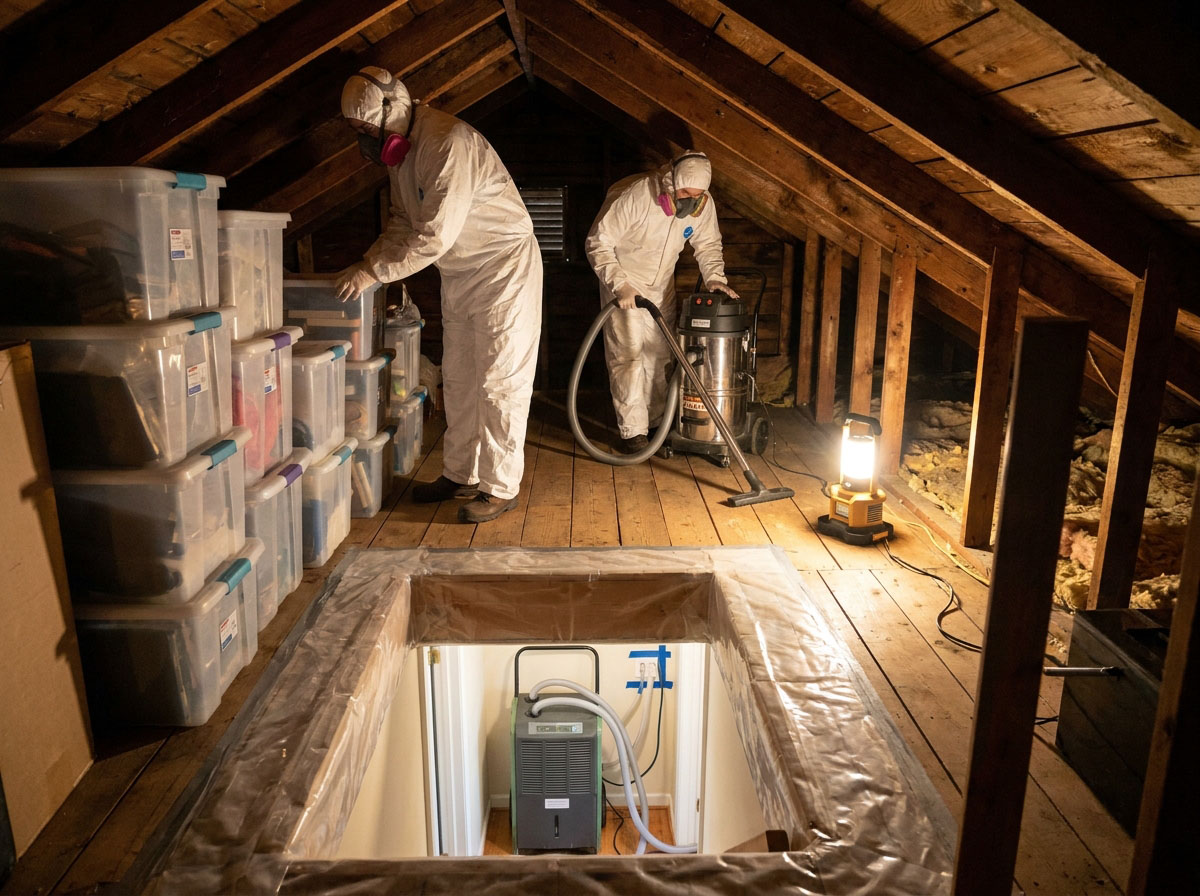
Improper Use of Household Equipment Versus Professional Industrial Dehumidification
Most homeowners assume a standard store-bought dehumidifier or a box fan will do the trick after a pipe bursts. This is a dangerous misconception that often leads to permanent property damage.
Household units are built for comfort, not for disaster recovery. They simply lack the power to pull moisture from deep inside structural materials like subfloors and wall studs.
Professional restoration teams use industrial-grade LGR (Low Grain Refrigerant) dehumidifiers. These machines are designed to pull moisture out of the very air that household units cannot touch.
When you rely on basic fans, you are actually spreading contaminants around your home. You might feel the air getting drier, but you are likely pushing mold spores and bacteria deeper into your ventilation system.
Why Industrial Equipment Wins Every Time
- Household fans circulate dirty air rather than drying the structure.
- Standard dehumidifiers shut off when the small bucket fills up.
- Professional systems maintain constant humidity control to prevent secondary damage.
- Specialized moisture meters allow experts to track drying progress behind walls.
If you leave moisture trapped behind your drywall, no amount of window-opening will fix it. Professional gear ensures that your home reaches true dry standards, which is the only way to stop rot before it takes hold.
Case Study: How Rapid Intervention Saved a Historic Home in Garden City
Last winter, a century old residence in Garden City suffered a significant pipe burst during a deep freeze. The owners immediately called for help rather than attempting to soak up the water with floor fans and towels.
Because they acted fast, our team arrived before the moisture could seep into the original hardwood structural supports. We used industrial grade desiccant dehumidifiers to pull moisture from the air while injecting dry air directly into the wall cavities.
Why Speed Matters
The secret to saving this home was not just the equipment, but the timing of the extraction. By the time we finished, the historic architecture remained completely intact.
- The humidity levels were brought back to baseline within 48 hours.
- Microbial growth was prevented because we bypassed the critical 24 hour window for mold development.
- Original character pieces were saved from permanent warping or rot.
If the owners had waited even two more days, the porous lath and plaster walls would have become sponges for bacteria. They saved roughly thirty thousand dollars in reconstruction costs simply by refusing to ignore the initial signs of trouble.
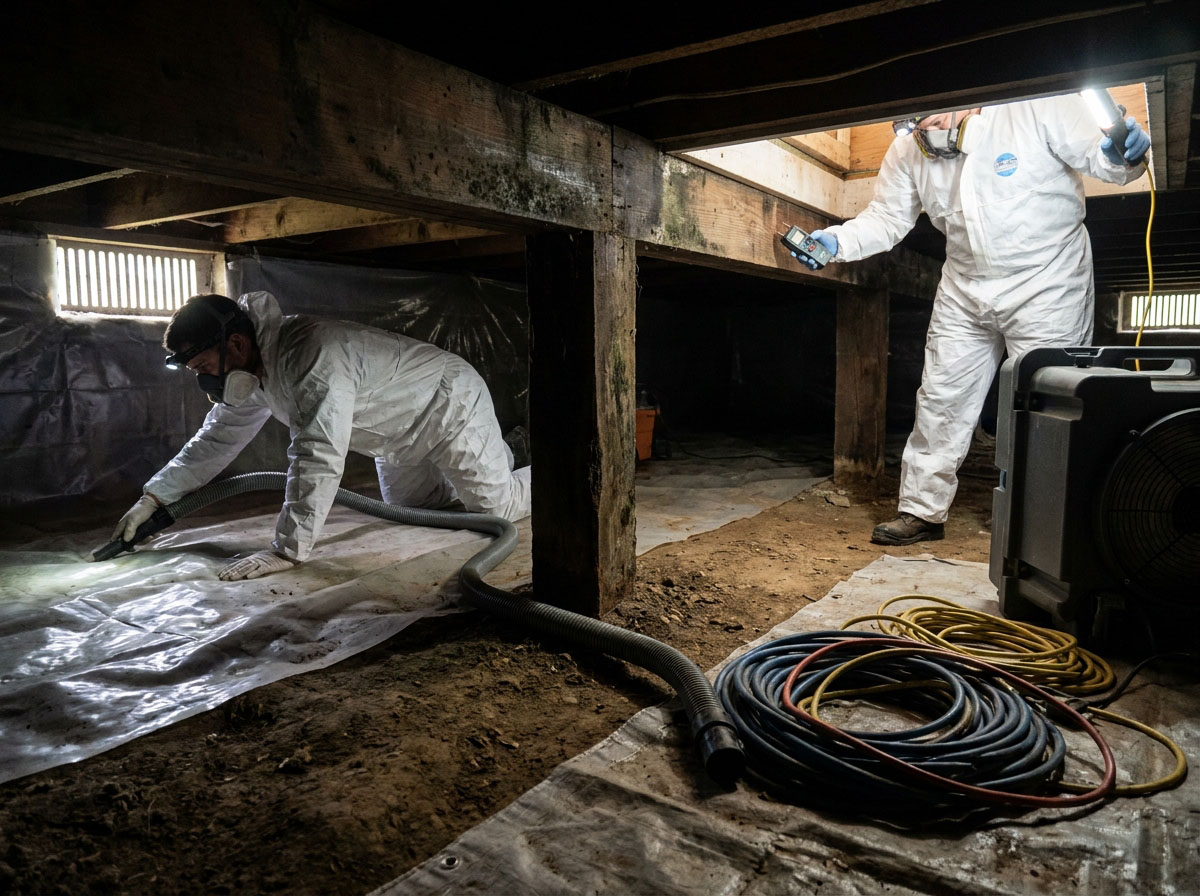
Comparison Table: DIY Cleanup Risks Versus Professional Restoration Outcomes
When your basement floods in Nassau County, the temptation to grab a shop vac and call it a day is powerful. However, the reality is that surface-level drying rarely addresses the saturated materials hiding behind your baseboards. This chart highlights why the DIY approach often leads to hidden, expensive problems compared to the systematic protocols followed by certified experts.
| Factor | DIY Cleanup | Professional Restoration |
|---|---|---|
| Moisture Detection | Visual inspection only | Thermal imaging and hygrometers |
| Drying Equipment | Household fans/dehumidifiers | Industrial air movers/LGR dehumidifiers |
| Mold Prevention | Surface wiping | Antimicrobial application/HEPA filtration |
| Documentation | None | Insurance-ready moisture logs |
| Structural Safety | Risk of hidden rot | Certified structural integrity checks |
The primary danger with DIY cleanup is the false sense of security it provides. You might feel the carpet is dry to the touch, but moisture trapped inside subflooring or wall cavities creates a perfect breeding ground for toxic mold. Professionals use specialized gear to pull moisture from deep within the wood and concrete.
Without these industrial tools, your home remains at risk. Choosing the wrong path can lead to:
- Permanent wood rot that destroys floor joists.
- Unseen mold colonies developing behind interior walls.
- Health hazards from poor indoor air quality.
- Denied insurance claims due to improper mitigation efforts.
Investing in professional intervention is not just about cleaning up water. It is a tactical decision to protect the long-term structural health of your property. Do not trade your home equity for the sake of a few hundred dollars in savings.
The Long-Term Consequences of Improper Mold Remediation and Structural Neglect
Many Nassau homeowners treat mold like a simple surface stain, scrubbing it with bleach and calling it a day. This is a dangerous misunderstanding of biology. If you fail to kill the mold at the root, the spores simply go dormant and wait for the next humid day to explode back onto your walls.
When professional remediation is skipped, you are essentially leaving a biological time bomb inside your home. Over time, these spores travel through your HVAC system, settling into furniture, clothes, and sensitive lungs. You might think the smell is gone, but the invisible toxicity is still working against your family's health.
Why Partial Fixes Fail
Structural neglect follows the same pattern of silent destruction. You might patch a ceiling leak, but if the wood joists behind the sheetrock remain damp, they will begin to soften and lose their load-bearing capacity. This leads to several expensive outcomes:
- Secondary fungal growth that eats through drywall backing.
- Weakened floorboards that start to creak and sag under weight.
- Rusting metal fasteners that compromise the rigid integrity of your framing.
- Decreased property value that shows up instantly during a home inspection.
Ignoring these signs does not make them go away; it just makes the eventual repair bill ten times larger. Real structural repair requires verifying the moisture content of the internal framing with calibrated moisture meters. If you cannot prove the wood is bone dry, you are just waiting for the next rot cycle to begin.
Final Words
Water damage doesn't wait for your schedule, and it certainly does not care about your DIY budget. Every minute you spend debating whether to call a pro is a minute where mold spores are setting up shop in your insulation and rot is eating through your floor joists.
You have worked hard to build a life in Nassau County. Do not throw that value away by taking shortcuts on a repair job that demands industrial-grade precision.
If you find yourself facing standing water, do not gamble with your home's structural integrity. Expert Water Damage Repair requires specific training, high-capacity drying tools, and the experience to spot moisture where the human eye fails.
Three Golden Rules for Nassau Homeowners
- Shut it down: Stop the water source immediately, whether it is a main valve or a plumbing riser.
- Clear the area: Remove small items, but leave the heavy, soaked materials for the pros to document for insurance.
- Call for help: Contact a certified restoration team before secondary damage turns into a permanent bill.
At the end of the day, your primary focus should be the safety of your family and the longevity of your property. Professional intervention acts as an insurance policy against future headaches, spiraling costs, and hidden health hazards. Take the smart path and bring in the experts who do this for a living.
People Also Ask
Is it safe to clean up water damage myself in Nassau County?
While small spills are manageable, significant water damage often involves hidden moisture behind walls or under flooring. Professional restoration is recommended to ensure that all structural components are thoroughly dried and sanitized to prevent long term property damage.How long does it take for mold to grow after water damage?
Mold can begin to colonize within 24 to 48 hours of water exposure if the area is not dried completely. Prompt action is critical to inhibit fungal growth, which is why the EPA guidelines emphasize immediate moisture control.Why is industrial dehumidification necessary for water damage?
Standard household fans and dehumidifiers lack the capacity to extract deep moisture from porous building materials like drywall and subflooring. Industrial grade equipment is specifically designed to create a controlled environment that pulls moisture out of the structure to prevent future rot.What are the risks of ignoring hidden moisture in my home?
Neglecting moisture pockets trapped inside wall cavities can lead to severe structural decay and compromised indoor air quality. Over time, this hidden dampness creates an ideal environment for persistent mold colonies that can negatively impact the health of your household.Need Water Damage Restoration Services?
We provide immediate water damage mitigation and restoration services to property owners throughout Nassau County and surrounding communities. Our rapid response teams stabilize your home or business to prevent further damage and restore your property to pre-loss condition (11501, 11530, 11550, 11590, 11001).
Request Project Estimate