


⚡ TL;DR: To protect your property from water damage mitigation risks in Nassau County, prioritize immediate safety, identify water contamination levels, and seek professional assistance to prevent long term structural decay.
📋 What You’ll Learn
When water strikes your Nassau County home, every second counts toward preventing permanent destruction. This guide outlines the urgent actions you must take immediately to protect your property and family safely.
- Identify and stop the water source to prevent further infiltration, whether it involves shutting off your main water valve or safely isolating the damaged area from your electrical systems.
- Categorize the type of water contamination to understand the health risks involved, distinguishing between clean pipe leaks and hazardous sewage backups that require specialized professional sanitation and removal equipment.
- Prioritize safety before starting cleanup to ensure your family remains protected from hidden electrical hazards, slippery flooring, and the rapid development of toxic mold in humid basement environments.
- Compare DIY efforts with professional services so you can make informed decisions about when it is safe to handle minor cleanup versus when calling local experts is absolutely essential.
📖 Reading time: 7 min
✍️ Author expertise: Nassau County restoration specialist with over fifteen years of field experience in emergency mitigation.
You walk into your basement to grab a box of old photos, but instead of dry concrete, your feet sink into a freezing, soaked carpet. Your heart sinks faster than your floorboards as you realize a pipe has burst, turning your Nassau County home into a private swimming pool.
Most homeowners panic and waste precious hours calling relatives or staring at the mess while the water digs deeper into your walls and floor joists. That hesitation is exactly what allows mold and structural rot to take hold, turning a manageable spill into a multi-thousand dollar catastrophe.
The difference between a quick cleanup and a complete home reconstruction comes down to the first sixty minutes of action. Here is exactly what you need to do right now to stop the damage before it ruins your property for good.
Immediate Safety Priorities: Securing Your Nassau County Property
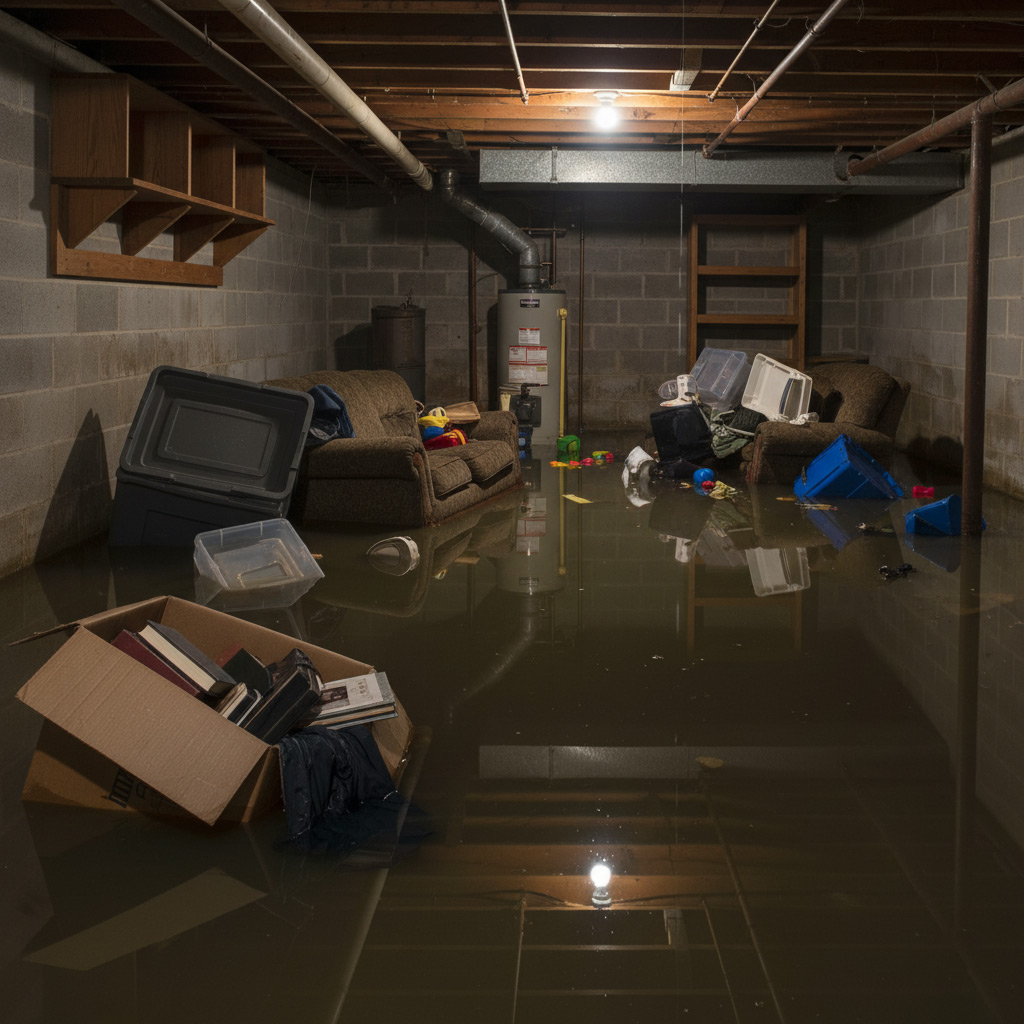
Before you worry about your furniture or the drywall, you must focus entirely on personal safety. Water and electricity are a lethal combination, and your home can become a live hazard in seconds. If you see standing water near outlets, appliances, or light fixtures, do not enter the room until you have cut the power.
Locate your main electrical panel and flip the breakers for the affected zones. If you cannot reach the panel safely, get to your main service disconnect outside or contact your power provider immediately. Your life is worth more than any property in Nassau County.
Protect Yourself Before You Act
Standing in floodwater exposes you to hidden dangers that go beyond electric shocks. Even clear water can harbor sharp debris, glass shards, or rusted metal hidden just beneath the surface. To stay safe while you assess the situation, follow these rules:
- Wear rubber boots and heavy gloves to shield your skin from potential contaminants.
- Avoid physical contact with the water if you have any open cuts or scrapes.
- Use a flashlight instead of turning on existing room lights to prevent ignition from faulty wiring.
- Keep children and pets away from the wet area until the environment is confirmed safe.
Personal protection is non negotiable when dealing with a flooded basement or a burst pipe. Once the power is off and you are properly geared up, you can start the next phase of the process. If at any point you feel unsafe, get out and wait for professional help.
Stopping the Source: Critical Steps to Halt Water Infiltration
Your first move must be to cut off the supply. If the water is pouring from a burst pipe or a leaking appliance, find the main shutoff valve immediately.
In most Nassau County homes, you will find the main water shutoff in the basement, the garage, or near the front perimeter of the foundation. Locate the valve handle and turn it clockwise until it stops to kill the flow to the entire property.
Immediate Actions to Control the Flow
- Identify the fixture: If the leak is isolated to a single toilet or sink, look for the smaller valve under the basin rather than shutting off the whole house.
- Drain the lines: Once the main valve is closed, open the lowest faucet in your home to drain remaining pressure from the pipes.
- Kill the power: If water is near electrical outlets or your breaker panel, turn off the electricity at the main switch to prevent a lethal shock.
Never enter standing water if you suspect there is a risk of contact with live wires. If you cannot reach the main breaker safely, evacuate the area and call your local utility company right away.
Once the water is off, stop the spread. Use heavy towels, mops, or a wet vacuum to corral the water into one area and keep it from wicking into your baseboards or under the drywall.
Every minute you spend soaking up excess moisture is a minute you steal back from permanent structural damage. Get the bulk of the standing liquid out of the way before you worry about the smaller puddles or damp carpet fibers.
Essential Categorization: Identifying Clean, Grey, and Black Water Risks
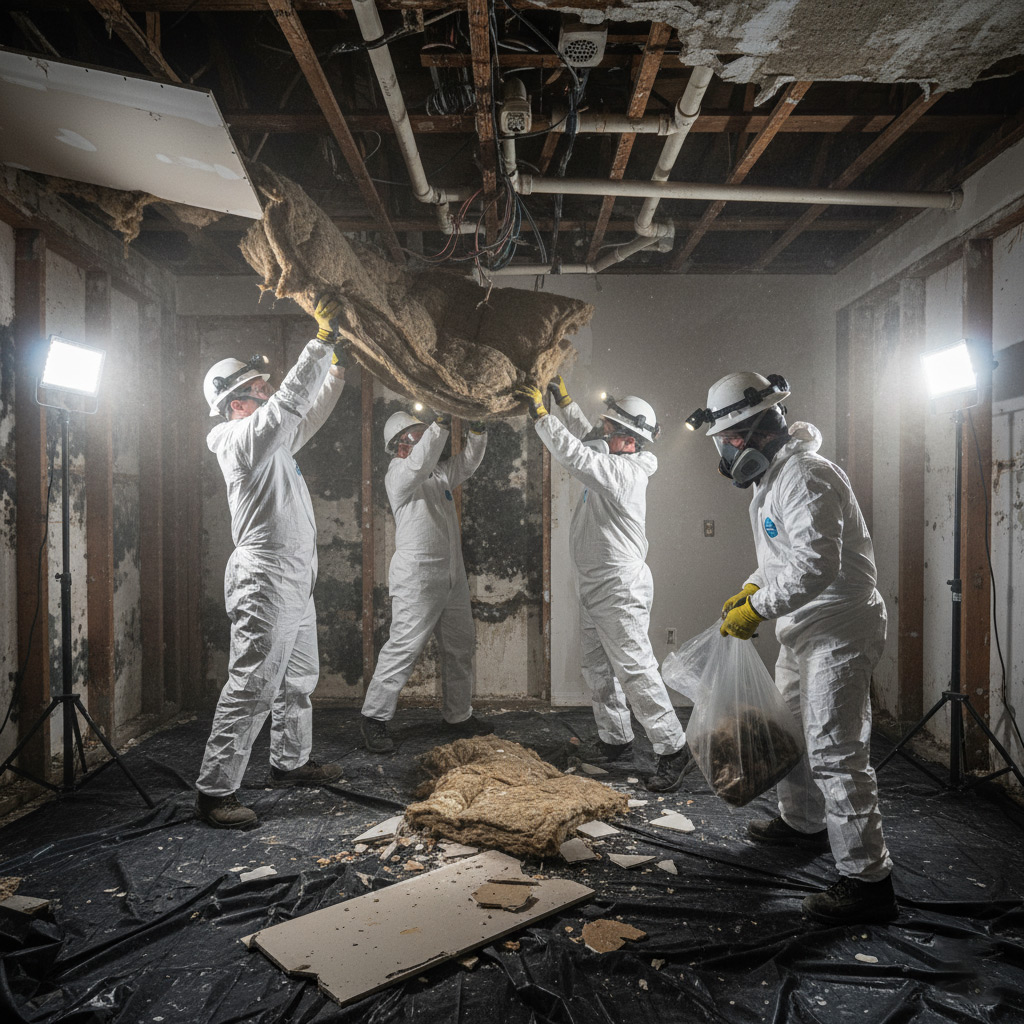
Not all puddles are created equal, and treating a toxic spill like a simple tap leak can put your family in the hospital. Professionals categorize water damage by the level of contamination, which dictates the safety gear required and the disposal methods needed to protect your Nassau County investment.
Before you grab a mop, identify what you are dealing with. Understanding the source prevents you from spreading pathogens across your living space.
The Three Tiers of Water Contamination
- Category 1 (Clean Water): Originates from a sanitary source like a broken supply line or a leaking water heater. While it seems safe, it becomes grey water within 48 hours as it tracks bacteria across your floors.
- Category 2 (Grey Water): Contains significant contamination from sources like dishwasher overflows, washing machine discharge, or toilet bowls with urine but no feces. This water carries microorganisms that cause discomfort or illness if touched.
- Category 3 (Black Water): This is highly unsanitary and dangerous. It includes sewage backups, seawater, or rising floodwater from storm surges. It contains pathogenic agents, fungi, and bacteria that pose a serious health threat to anyone nearby.
If you see water coming from a sewer line or a flooded yard, do not touch it. Keep pets and children far away from the area immediately. Wear heavy-duty gloves and rubber boots if you must be near it, but the best move is to call for professional containment before the toxins soak into your floorboards.
Professional Mitigation vs. DIY: A Comparison Table for Decision Making
When you are staring at a flooded floor, your instincts might scream at you to grab a shop vac and go to work. While minor spills involving a few towels are manageable, true water mitigation is a professional game that requires specialized equipment to prevent long term ruin.
| Action | DIY Approach | Professional Mitigation |
|---|---|---|
| Water Extraction | Basic shop vac | Industrial grade pumps |
| Moisture Detection | Visual inspection | Infrared thermal cameras |
| Structural Drying | Household fans | Commercial dehumidifiers |
| Mold Prevention | Surface spray | EPA registered antimicrobials |
| Insurance Claims | Hassle and documentation | Direct billing and advocacy |
The biggest mistake homeowners make is assuming that if the surface feels dry, the job is done. Hidden moisture trapped behind drywall or under subflooring will fester, feeding mold colonies that can impact your air quality within forty eight hours.
A professional crew does not just clean up the mess you see; they find the pockets of water you cannot reach. Consider these factors before picking up a mop:
- Safety risks from electrical shorts or sewage contamination.
- The cost of renting high capacity drying equipment.
- The time required for proper moisture monitoring.
- Your ability to document the loss for an insurance claim.
If the water source involves a sewage backup or has been sitting for more than a day, put the mop down immediately. These situations carry severe health risks that require specialized protective gear and heavy duty extraction tools. Your time is better spent calling a local team in Nassau County that can get the house stable before the damage sets in permanently.
Long Beach Basement Restoration: A Case Study in Rapid Recovery
Last winter, a homeowner in Long Beach faced a classic nightmare: a failed sump pump during a nor'easter. The rising groundwater turned their finished basement into a murky pool within minutes.
Instead of panicking, the owners immediately shut off the main power to the lower level. They contacted our team before the water could saturate the drywall or reach the electrical outlets.
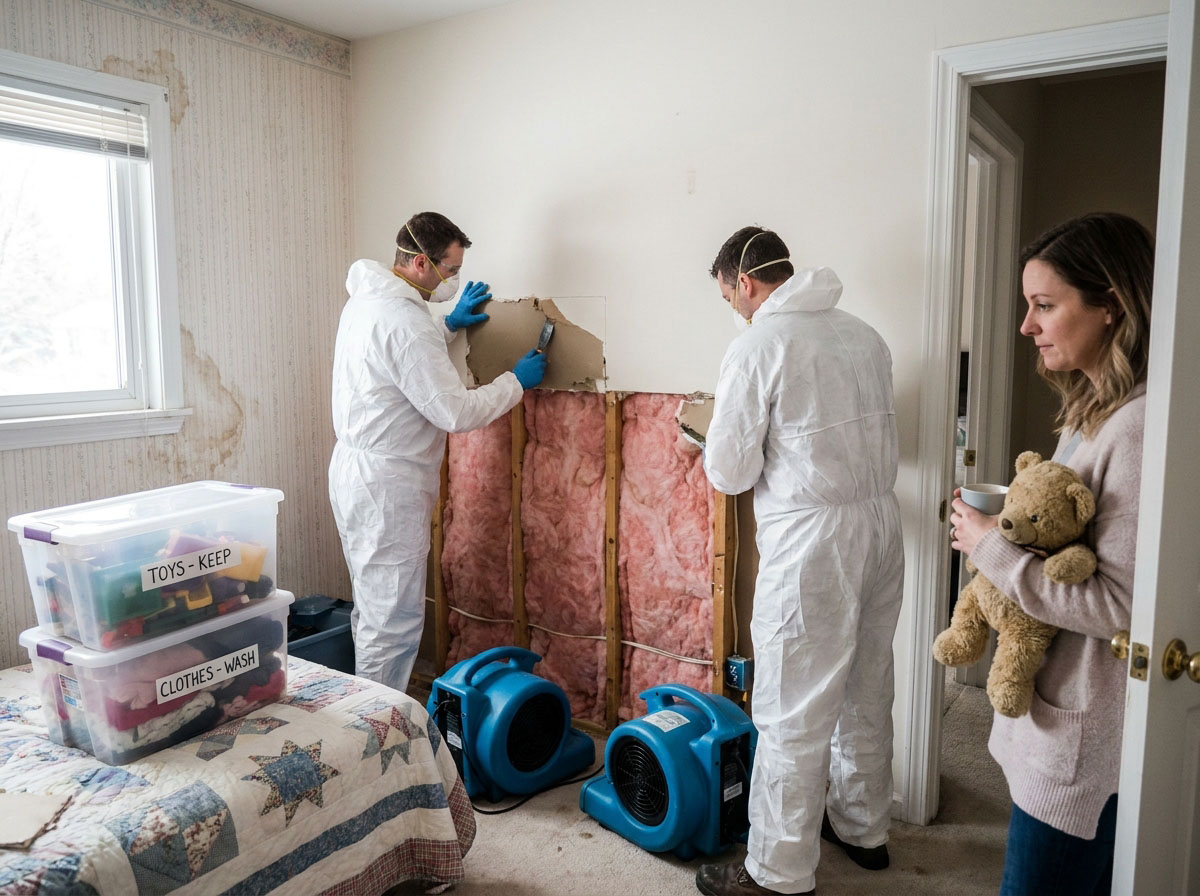
Because they acted fast, we were able to save the framing and avoid a total gut job. Here is what that rapid response looked like on the ground:
- Extraction of standing water within three hours.
- Deployment of industrial-grade dehumidifiers to stabilize the environment.
- Removal of compromised porous materials to prevent mold spores from spreading.
- Antimicrobial treatments applied to subfloors and base plates.
This situation proves that time is your greatest enemy when dealing with flooding in coastal areas like Nassau County. By stopping the inflow and calling for professional help immediately, the owners saved thousands of dollars in reconstruction costs.
They turned a potential structural disaster into a simple drying project. Success in water mitigation is rarely about luck; it is always about the speed of your decision making.
Preventing Long-Term Structural Decay and Hazardous Mold Growth
Water damage is a silent predator that does not sleep. Even after you mop up the visible puddles, moisture remains trapped inside porous materials like drywall, insulation, and wood framing.
If you leave these areas damp, mold colonies will begin to germinate within 24 to 48 hours. Once mold takes root, it creates a persistent health hazard and eats away at the integrity of your home.
To stop this decay before it spreads, you must focus on rapid moisture removal and environmental control:
- Remove all water-logged furniture and rugs from the area immediately.
- Rent high-grade dehumidifiers to pull moisture directly from the air.
- Use industrial fans to create constant airflow across wet floor joists.
- Dispose of any drywall or baseboards that have started to soften or crumble.
Ignoring these hidden pockets of water is a fast track to costly structural failure. Your goal is to dry the environment so thoroughly that mold finds no place to settle. If you skip this phase, you are essentially leaving a ticking time bomb inside your walls.
Time is your worst enemy here. Every hour that building materials stay saturated, the strength of your wood framing decreases and the cost to repair the damage climbs higher.
Why Decisive Action Saves Your Home Investment
Time is the most expensive commodity when your home is flooding. Every minute you spend debating your next move, that water is soaking into your drywall, saturating your insulation, and creating a breeding ground for toxic spores.
Waiting for the morning or hoping the problem dries out on its own is a fast track to financial ruin. By choosing immediate Water Damage Mitigation, you aren't just cleaning up a mess; you are actively defending the equity in your Nassau County property.
Consider the stark difference between a quick response and a delayed one:
- Immediate action limits damage to just the surface, allowing for simple drying techniques.
- Delayed action forces the removal of baseboards, flooring, and even sections of wall framing.
- Rapid intervention kills the clock on mold growth before it starts spreading through your HVAC system.
Professional restoration teams operate on speed because they know exactly what hides behind those wet walls. You are not just paying for a crew to vacuum; you are paying for the precision that keeps your home standing.
The cost of professional intervention pales in comparison to the price of a full structural rebuild. If you see water, treat it as a ticking clock and act with total conviction to protect your family and your future.
People Also Ask
How soon should I call for water damage restoration in Nassau County?
You should contact a professional restoration team immediately after discovering water damage to prevent secondary issues. Rapid response is crucial because moisture can cause irreversible structural damage and toxic mold growth within 24 to 48 hours.What is the first thing I should do if my basement floods?
Prioritize your safety by shutting off the main electricity and gas if it is safe to enter the area. Avoid touching standing water, as it may be electrically charged or contaminated with hazardous substances, and follow guidance from the environmental agency regarding safe cleanup procedures.Does homeowners insurance cover water damage in Nassau County?
Coverage depends heavily on the specific cause of the loss, such as whether it originated from a plumbing failure or external flooding. Most standard policies cover sudden internal pipe bursts, but separate flood insurance is usually required for water entering from the ground.How can I tell if the water in my home is contaminated?
Water is categorized based on its source and potential health risks. Clean water comes from supply lines, grey water involves drainage from appliances, and black water contains sewage or pathogens that require specialized professional sanitization to handle safely.Is DIY water cleanup effective for major flooding?
DIY methods are generally only appropriate for very minor spills involving clean water. For significant property damage, professional mitigation is necessary to ensure the structure is properly dried, disinfected, and monitored to prevent long term decay.Need Water Damage Restoration Services?
We provide immediate water damage mitigation and restoration services to property owners throughout Nassau County and surrounding communities. Our rapid response teams stabilize your home or business to prevent further damage and restore your property to pre-loss condition (11501, 11530, 11550, 11590, 11001).
Request Project Estimate