
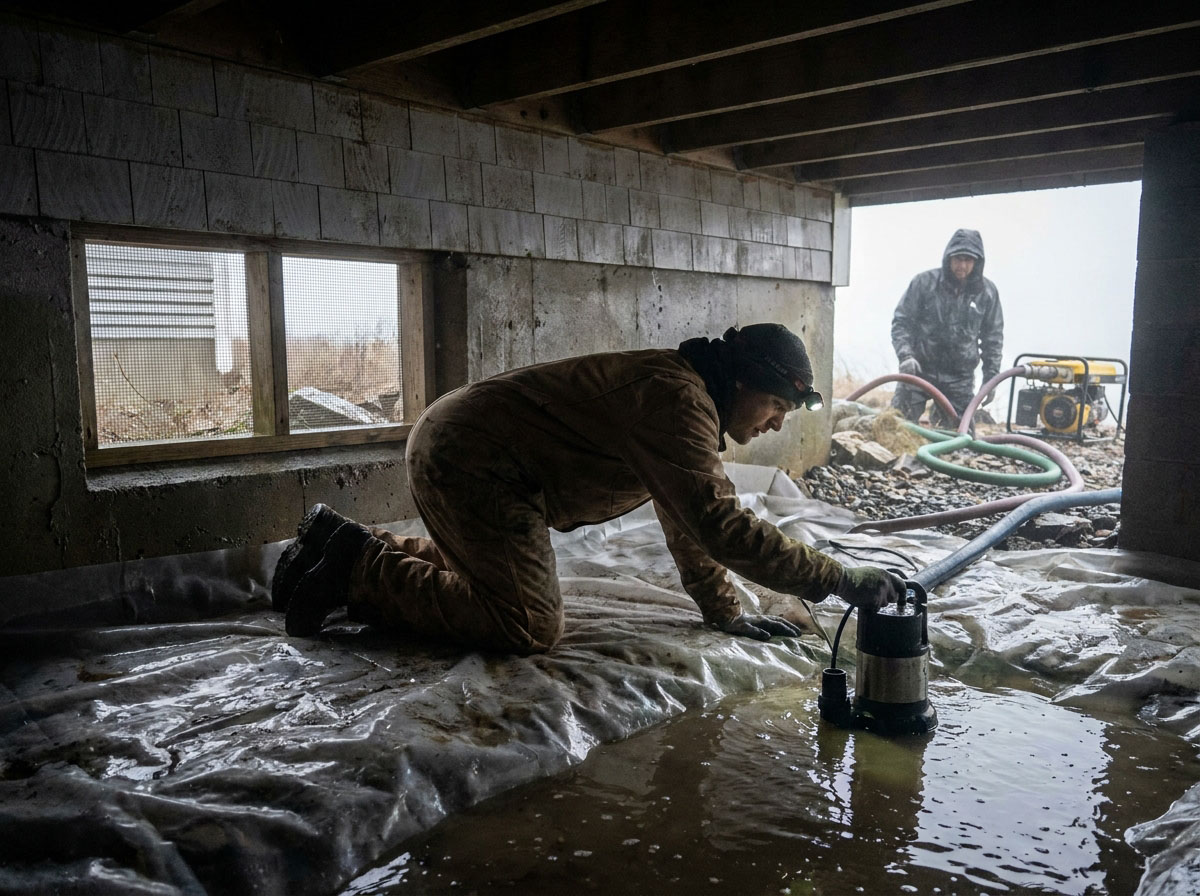


⚡ TL;DR: This guide explains how professional smoke odor removal services in Nassau County utilize advanced restoration techniques to effectively eliminate persistent soot particles and restore your home environment properly.
📋 What You’ll Learn
Discover how professional restoration teams in Nassau County effectively neutralize persistent smoke odors using industrial-grade techniques to safely return your home to its original, clean, and healthy living condition.
- Master the underlying science of soot to understand why microscopic smoke particles cling to porous building materials and how specialized cleaning agents break down these stubborn, invasive chemical bonds.
- Implement advanced HVAC decontamination strategies that stop smoke residue from circulating throughout your home by professionally cleaning your ductwork and replacing filters to ensure long-term air quality improvements.
- Utilize professional chemical neutralization methods designed to penetrate deep into upholstery, drywall, and wood surfaces, effectively stripping away odors that household cleaners and standard sprays cannot possibly reach.
- Apply heavy-duty thermal fogging and ozone as the final line of defense to eliminate airborne odor molecules that linger in hard to reach corners of your Nassau County residence.
📖 Reading time: 8 min
✍️ Author expertise: Certified restoration specialist with decades of experience managing fire recovery projects in Nassau County.
You wake up in your Nassau County home, but instead of the fresh morning air you expect, you are greeted by the ghost of a fire that happened days ago. That clinging, acrid smell is not just a nuisance, it is a toxic reminder embedded deep into your walls, carpets, and even your clothes.
Most homeowners try to mask the stench with candles or store-bought sprays, but you are just painting over a disaster. The particles are still there, hiding in every porous surface of your property.
Real smoke damage demands a tactical response that goes far beyond a quick scrub. Here is exactly how professional restoration crews reclaim your air quality and get that thick, suffocating odor out of your home for good.
The Science of Soot: Why Smoke Particles Linger Long After the Flames
When fire consumes materials in your home, it produces more than just visible flames. It creates microscopic soot particles that travel through the air, looking for a place to settle.
These particles are incredibly small, often measured in microns. Because of their size, they easily bypass traditional filters and penetrate deep into the fibers of your furniture, carpets, and drywall.
Think of soot as a sticky, oily residue. It does not just sit on top of your belongings; it bonds with them at a molecular level.
Why Standard Cleaning Fails
- Oily Adhesion: Smoke contains chemical compounds that act like glue, making it nearly impossible to wipe away with standard household cleaners.
- Porous Absorption: Your drywall, wood trim, and upholstery act like sponges, soaking up smoke particles that remain trapped until chemically released.
- Temperature Shifts: As your home changes temperature, the porous materials expand and contract, effectively breathing the smoke deeper into the core of your home structure.
This is why that acrid smell lingers weeks after the fire department leaves. The toxic byproduct is literally embedded in the bones of the building.
Trying to scrub this away with soap and water usually just smears the oily soot around. Without the right chemical agents to break that bond, you are essentially just moving the problem from one spot to another.
Advanced Containment and HVAC Decontamination Strategies
When fire strikes, smoke does not just stay in the room where the incident occurred. It acts like a invisible invader, creeping into your HVAC system and spreading soot particles throughout the entire ductwork of your house.
If you ignore the vents, you are basically breathing in the remnants of the fire every time your heat or air conditioning kicks on. Our first move is always total containment to stop the migration of these microscopic pollutants to unaffected areas of your home.
The HVAC Decontamination Process
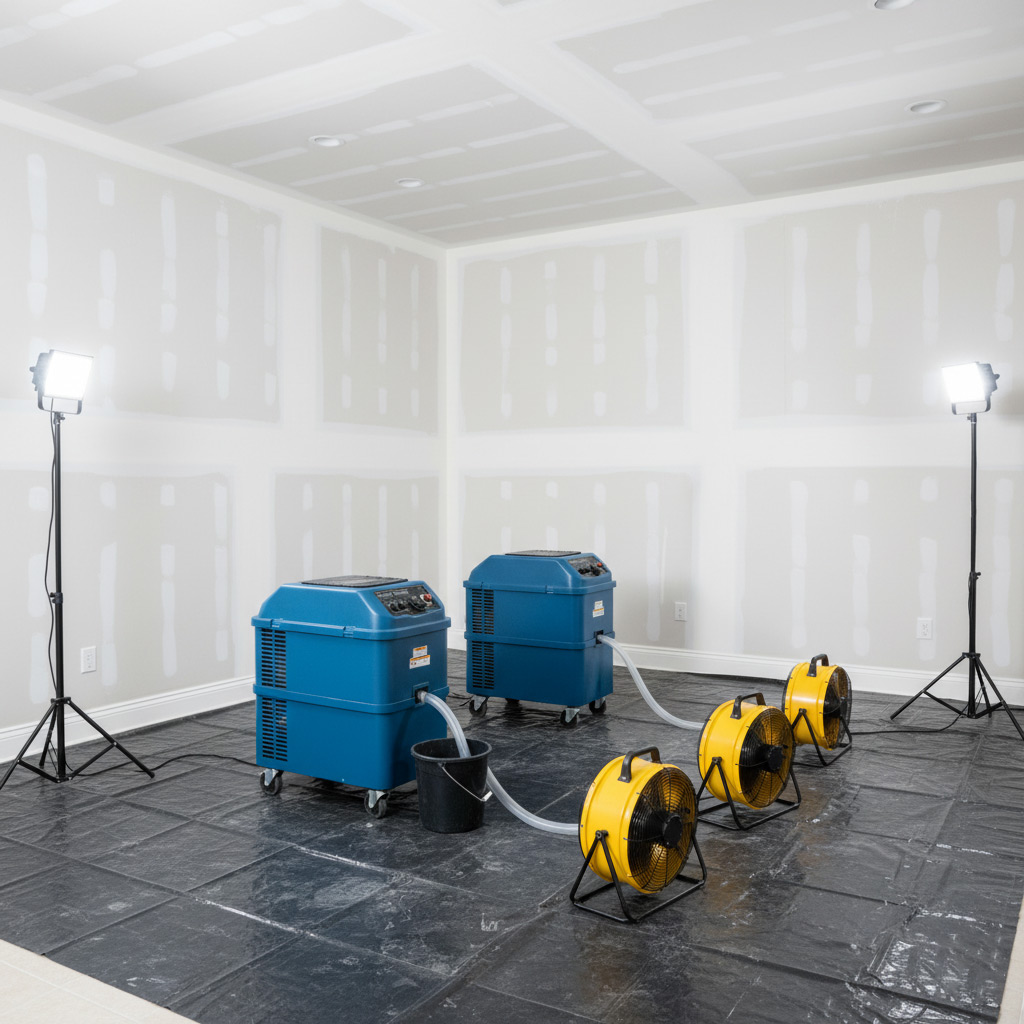
We do not just wipe down the visible grates. We use specialized equipment to scrub the entire network of air ducts to ensure every trace of ash is gone.
- Negative Air Pressure: We set up high-efficiency air scrubbers to trap airborne particulates before they move to clean rooms.
- Duct Cleaning: We deploy rotating brushes and high-powered vacuums to scour the inner walls of your ventilation system.
- HEPA Filtration: All collected debris is captured in medical grade filters that prevent smoke particles from cycling back into your living space.
Restoring air quality is not about masking the smell with heavy scents. It is about physically removing the source of the odor from the places you cannot see.
Chemical Neutralization: Professional-Grade Solutions for Porous Surfaces
Most homeowners assume a deep clean with household soap will clear away the soot, but they are dead wrong. Smoke particles are microscopic and oily, meaning they burrow into the cellular structure of wood, drywall, and upholstery. When you scrub with standard cleaners, you often just smear the toxins deeper into the material.
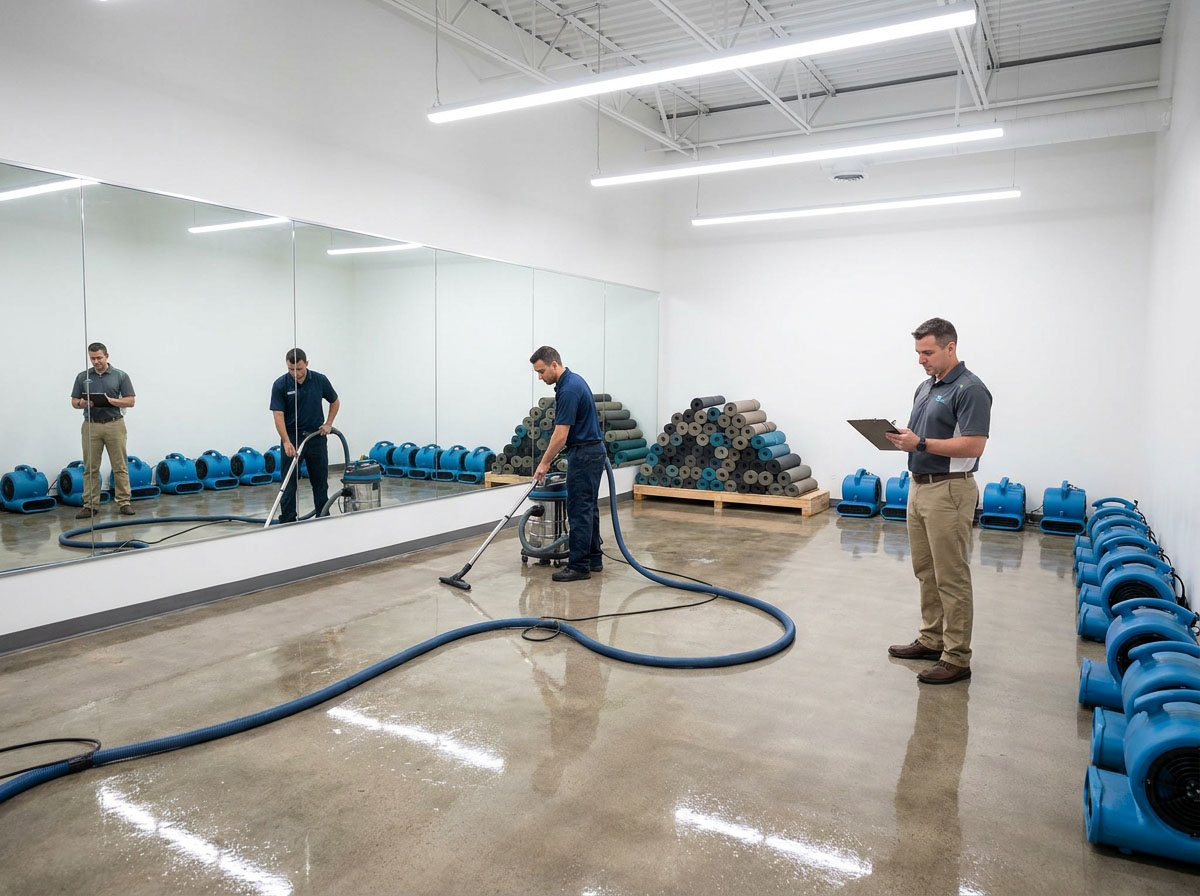
We use industrial-strength chemical neutralizers that chemically bond with smoke molecules to stop the odor at the source. Instead of masking the stench with flowery perfumes, these solutions dissolve the carbon residue on a molecular level.
How Professional Neutralizers Change the Game
- Targeted Encapsulation: We apply specialized agents that lock in smoke odors so they cannot be released back into your home.
- PH-Balanced Formulas: These cleaners restore the surface integrity of your walls and furniture without causing chemical stains.
- Deep Penetration: Unlike store-bought spray, our professional chemistry reaches deep into the fibers of carpets and curtains to strip away the oily film.
Think of these chemicals as a targeted search and destroy mission for your living room. We do not just clean the surface; we restore the air quality of your home by removing the irritants that trigger headaches and respiratory issues. Once these solutions dry, the chemical reaction is complete, leaving your space not just smelling better, but truly clean.
Thermal Fogging and Ozone Treatments: The Heavy Artillery of Restoration
When the smoke stench has dug its heels into your drywall, standard cleaning supplies are like bringing a toothpick to a sword fight. You need professional-grade technology that mimics the very behavior of the smoke itself to reach the hidden places you cannot see.
Thermal fogging is our primary weapon for this. We heat a specialized solvent and release it as a fine, dense fog that penetrates the same microscopic pores where soot particles are hiding.
- The fog neutralizes odors on contact rather than just covering them up.
- It reaches behind baseboards, inside wall cavities, and deep into upholstery.
- The process mimics the way heat originally pushed the smoke into your structure.
If the fire damage is severe, we turn to ozone generators to finish the job. Ozone is a powerful oxidizing gas that breaks down odor molecules at the molecular level, effectively altering their chemical structure so they simply cease to exist as a smell.
Because ozone can be dangerous to humans and pets, we seal off the affected areas entirely during treatment. It is a calculated, precise operation that ensures your home is not just clean to the eye, but completely safe to breathe in again.
Nassau County Residential Restoration: A Successful Smoke Mitigation Case Study
Last winter, a kitchen fire in a historic Massapequa home sent thick, greasy soot billowing into every corner of the residence. The homeowner initially tried cleaning with standard detergents, but the acrid smell remained trapped in the drywall and vintage flooring.
Our team arrived to find that the smoke had traveled through the ventilation system, coating the ductwork in acidic residue. We bypassed standard cleaning methods, knowing that simple scrubbing would only smear the toxic soot further into the wood grains.
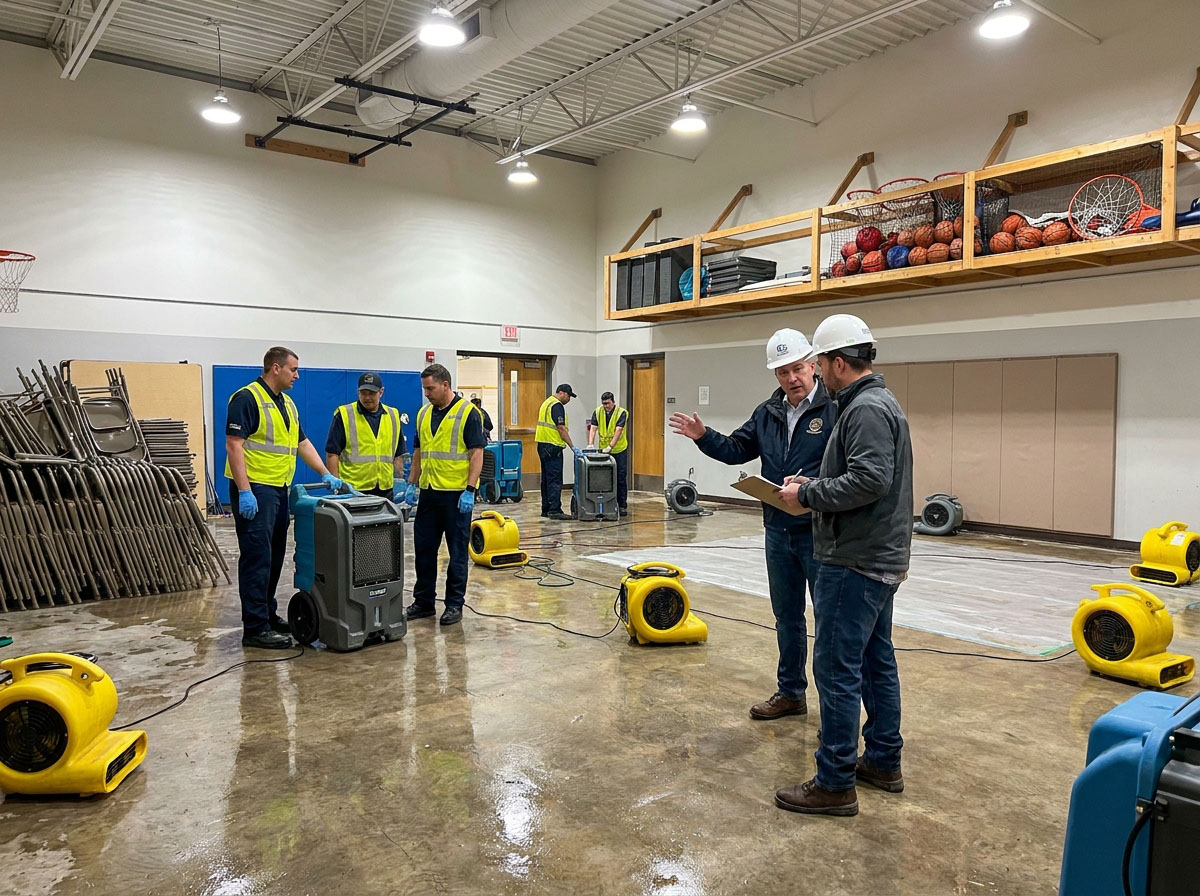
We executed a multi-phase mitigation plan to save the property:
- HEPA-filtered air scrubbing to capture airborne particulates immediately.
- Application of specialized chemical neutralizers on all charred framing and affected joists.
- The use of hydroxyl generators to break down odor molecules at a molecular level without damaging sensitive antiques.
Within seventy-two hours, the home was completely neutralized and cleared for habitation. The owners could finally breathe deep without the heavy, chemical sting of the fire lingering in their lungs. Professional intervention turned a potential total loss into a complete recovery for the family.
Restoration Investment Comparison Table: Professional Services vs. DIY Limitations
Most homeowners assume a gallon of bleach and some store-bought air fresheners will get the job done. That is a costly mistake. Smoke particles are microscopic and oily, meaning they don't just sit on your furniture; they migrate deep into your HVAC ducts and internal wall cavities.
| Feature | DIY Attempts | Professional Restoration |
|---|---|---|
| Odor Coverage | Masking agents only | Complete neutralization |
| Particle Removal | Surface dust only | Deep extraction |
| HVAC Safety | Risk of cross-contamination | Certified air scrubbing |
| Long-term Results | Odor returns in weeks | Permanent decontamination |
When you try to clean this yourself, you are usually just spreading the soot around. You might wipe off a shelf, but the hidden particles in your upholstery and carpeting remain. These particles continue to off-gas, keeping your home smelling like a campfire for months or even years.
Professional services bring in industrial grade equipment that simply isn't available to the average consumer. Experts rely on:
- High-efficiency particulate air filters to scrub the atmosphere.
- Commercial hydroxyl generators to break down odor molecules at a molecular level.
- Specific solvents designed to dissolve charred residue without damaging delicate surfaces.
Investing in pros isn't just about speed; it's about saving your assets. You are protecting your home from the long-term degradation caused by acidic smoke damage. Don't gamble with your property value by using hardware store cleaners on a problem that requires a scientific approach.
Final Words
When your home falls victim to fire, the clock starts ticking immediately. Smoke is acidic, and it begins to etch into your property the moment the temperature drops.
You cannot afford to wait and see if the smell goes away on its own. If you are struggling with lingering fire damage, professional Smoke Odor Removal is the only way to protect your health and your home equity.
Why take the risk of a botched cleanup? Our Nassau County teams possess the gear and the expertise to handle the microscopic particles that store-bought sprays miss entirely.
Protecting Your Nassau County Investment
Restoration is not just about cleaning walls; it is about restoring the safety of your living space. Choosing professional help means you get:
- Full decontamination of your HVAC system to stop smoke circulation.
- Certified removal of toxic soot residues from hidden crevices.
- Restoration of structural integrity through deep chemical neutralization.
Do not let a fire define the future of your property. Take immediate action by calling experts who understand the specific needs of homes in this region, ensuring your house stays a home rather than a memory of a disaster.
People Also Ask
How long does smoke odor stay in a house after a fire?
Smoke odor can persist for months or even years if the microscopic soot particles are not professionally removed. These particles settle into porous materials like drywall, carpet, and insulation, continuing to off-gas until they are neutralized.Is it safe to live in a house with lingering smoke smell?
Living in a home with smoke residue can pose significant health risks, particularly for those with respiratory issues or allergies. According to the EPA guide on indoor air quality, persistent soot and combustion byproducts can trigger asthma attacks and chronic irritation.Can I remove smoke smell from my home without professional help?
While common household cleaning products might mask the smell temporarily, they cannot remove the deeply embedded soot particles. DIY attempts often fail to address the hidden contaminants trapped inside HVAC systems and wall cavities, which allows the odor to return shortly after cleaning.How do restoration professionals neutralize smoke odors in Nassau County?
Local experts use industrial grade equipment such as thermal foggers and ozone generators to reach areas that traditional cleaning methods cannot access. By chemically altering the odor molecules rather than just masking them, these professionals ensure the home is restored to a safe, pre-loss condition.Will my homeowners insurance cover professional smoke odor removal?
Most standard homeowners insurance policies in Nassau County provide coverage for smoke damage remediation following a fire event. It is essential to document all damages thoroughly and contact your provider immediately to begin the claims process before starting any restoration work.Need Water Damage Restoration Services?
We provide immediate water damage mitigation and restoration services to property owners throughout Nassau County and surrounding communities. Our rapid response teams stabilize your home or business to prevent further damage and restore your property to pre-loss condition (11501, 11530, 11550, 11590, 11001).
Request Project Estimate