
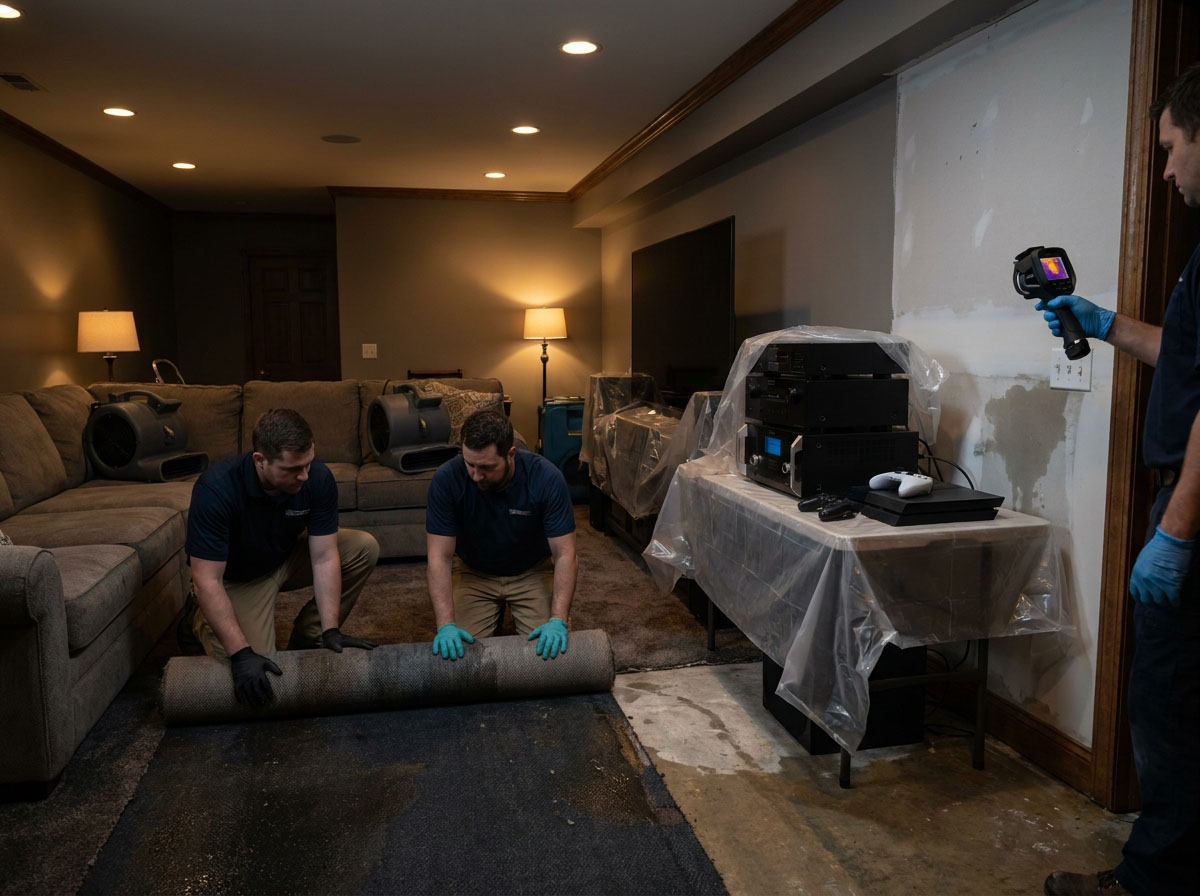


⚡ TL;DR: This guide helps Nassau County residents manage sewage backup cleanup by outlining essential safety steps, health risks, and the benefits of hiring professionals to restore your home property.
📋 What You’ll Learn
When raw sewage breaches your Nassau County home, acting quickly is vital for your health and property. This guide outlines professional remediation steps to restore safety and preserve your home value.
- Identify immediate safety protocols to secure your household from harmful bacteria and contaminants, ensuring you avoid direct contact with hazardous waste after a pipe burst or sewer failure.
- Evaluate the health risks involved by understanding how raw sewage infiltration creates dangerous living conditions that require industrial-grade sanitization techniques beyond standard household cleaning supplies and equipment.
- Recognize the value of professionals during the restoration process, as improper DIY methods often lead to lingering odors, structural wood rot, and significant long-term property depreciation issues.
- Explore the restoration service roadmap used by local experts to sanitize, dry, and rebuild affected areas, preventing mold growth and ensuring your property meets all health department standards.
📖 Reading time: 8 min
✍️ Author expertise: Certified restoration lead managing sewage remediation projects for Nassau County residents for years.
One minute you are enjoying a quiet evening in your Nassau County home, and the next, a foul odor hits you like a brick wall. That isn’t just a simple plumbing glitch; it is a full-blown health emergency creeping across your floors.
A sewage backup is every homeowner’s worst nightmare, turning your living space into a toxic disaster zone in a matter of seconds. When raw waste enters your property, you don't have time to second-guess your next move or wait for a slow response.
You need to act fast to protect your family and your biggest investment from permanent damage. Keep reading to discover exactly how to handle this mess safely and why professional intervention is the only way to get your home back to normal.
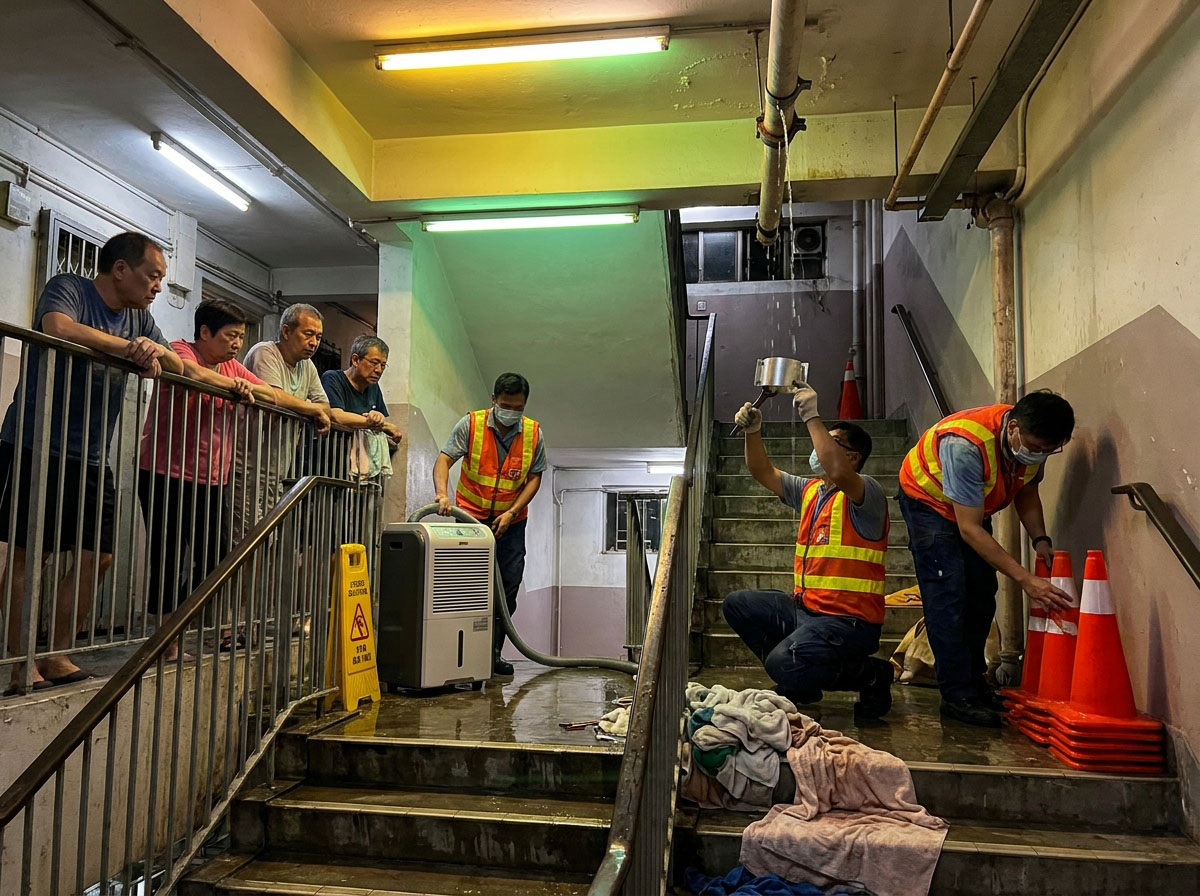
Immediate Steps to Secure Your Home After a Sewage Breach
When raw sewage invades your living space, your primary goal is containment. You must stop the spread of contaminants before they soak into porous materials like carpet, drywall, or wooden baseboards.
The first thing to do is turn off the main water supply to prevent additional flow. Next, identify the source of the clog or breach, but do not attempt to wade through the mess if the water level is rising rapidly.
Follow these critical safety measures immediately to protect your household:
- Cut the electricity to the affected areas if you can safely reach the circuit breaker panel.
- Evacuate all family members and pets to a clean, dry zone away from the contamination.
- Avoid contact with the water at all costs, as it contains dangerous pathogens and bacteria.
- Seal off the doorway to the affected room with plastic sheeting or duct tape to block odors and airborne particles.
Remember, the longer waste sits on your property, the deeper the toxins penetrate your flooring and subfloor. Time is not on your side during a sewage disaster, so clear the area and isolate the damage as quickly as possible.
Once your family is safe, call in professionals who specialize in hazardous waste extraction. Do not touch or move contaminated items, as you could accidentally track dangerous waste into other clean rooms of your home.
The Critical Health Risks of Raw Sewage Exposure in Residential Areas
When raw sewage seeps into your living room, you are not just dealing with a gross smell or a stain on the carpet. You are facing a biological hazard that contains a cocktail of bacteria, viruses, and parasites that can cause serious illness to your family and pets.
The waste sitting on your floors acts as a breeding ground for pathogens like E. coli, Salmonella, and Giardia. These contaminants become airborne as they dry, meaning you could be breathing in toxic particles long before you realize the true extent of the damage.
Dangerous Pathogens You Might Encounter
Contact with Category 3 water, or black water, is an immediate threat. Here is why you should stay far away from the affected area:
- E. coli: Can cause severe stomach cramps and bloody diarrhea.
- Hepatitis A: A viral liver infection often spread through fecal matter.
- Parasites: Microscopic organisms that can lead to long term gastrointestinal issues.
- Aerosolized Toxins: Dried waste particles that enter your lungs when you walk across a contaminated floor.
Many homeowners underestimate how quickly these germs seep into porous materials like hardwood flooring, drywall, and insulation. Once these materials absorb the sewage, they become permanent reservoirs for mold and bacteria, regardless of how much household cleaner you spray on the surface.
Protecting your health is the primary reason why specialized protective gear, such as respirators and chemical resistant suits, is required for cleanup. If you lack the professional-grade containment tools, you are essentially gambling with your family's immune systems.
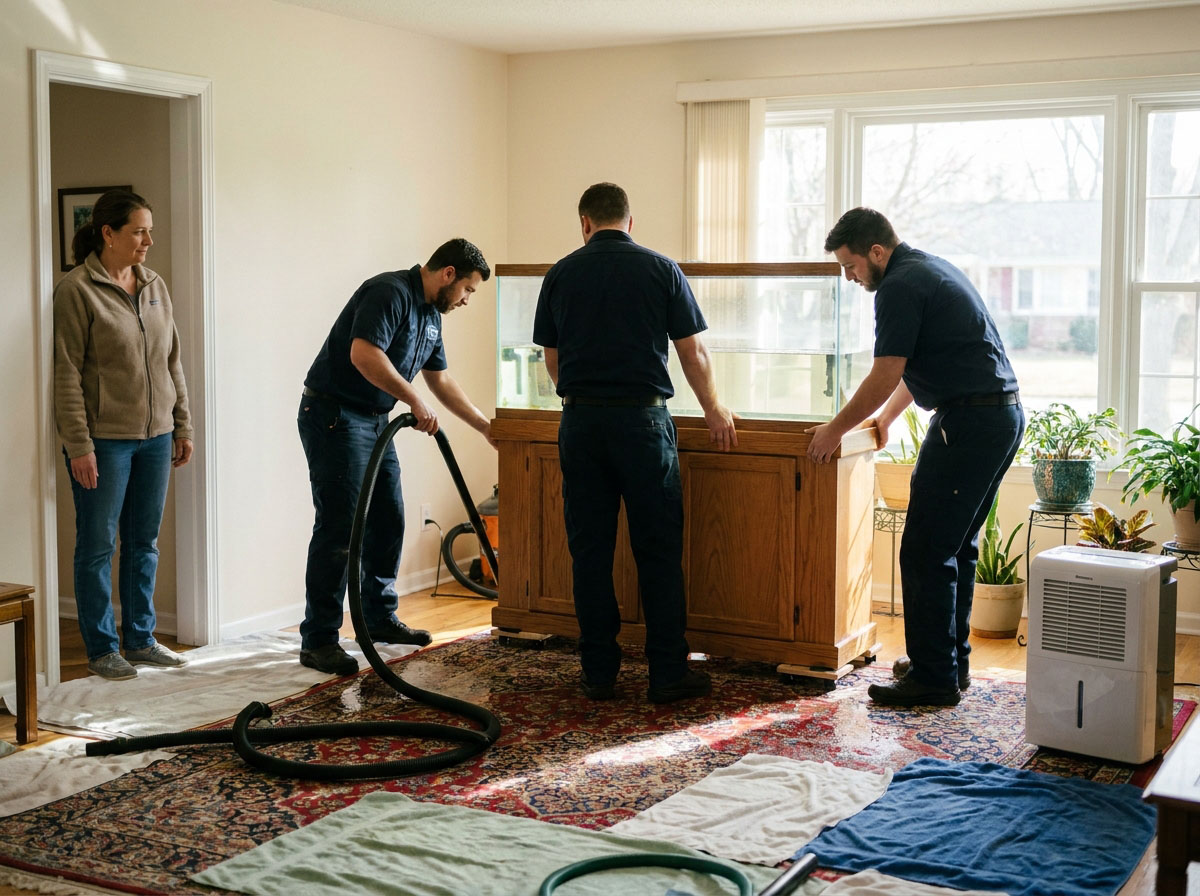
Why DIY Remediation Can Jeopardize Your Nassau County Property Value
Most homeowners assume a mop and a bottle of bleach are enough to handle a sewage backup. This is a dangerous misconception that puts your property value at serious risk.
When you attempt to clean up raw waste yourself, you often push contaminated water deeper into your subfloors and wall cavities. You might get the surface looking clean, but the hidden moisture will lead to structural rot and aggressive mold growth within weeks.
Future buyers in Nassau County look for professional documentation during home inspections. If you try to hide a past sewage incident without formal certification, you could face massive legal headaches or a plummeting sale price when the truth eventually leaks out.
The Hidden Costs of Amateur Cleanup
- Incomplete drying allows mold colonies to feast on your drywall and insulation.
- DIY methods often fail to sanitize porous materials like carpets and baseboards, which are breeding grounds for dangerous bacteria.
- Lack of professional documentation forces you to disclose unresolved damage, which often scares away potential buyers.
- Improper waste disposal can lead to fines from local health departments if you are caught dumping hazardous materials in regular trash bins.
Your home is likely your biggest asset. Treating a biohazard as a simple cleaning job is a gamble you cannot afford to lose.
Professional restoration companies provide the official records needed to prove your home was remediated to industry standards. These reports offer peace of mind to future buyers and keep your property value intact, ensuring your investment remains safe for years to come.
Professional Sewage Cleanup: A Step-by-Step Restoration Process
When you call in the pros for a sewage disaster, they arrive with more than just a mop and bucket. This is a tactical operation designed to stop the contamination from spreading further into your home’s structure.
Our team follows a rigid protocol to ensure your residence is not just clean, but biologically safe for you and your family. We focus on these primary phases:
- Containment: Establishing negative pressure zones to prevent airborne contaminants from traveling to clean areas of your house.
- Extraction: Using heavy duty, industrial strength pumps to remove standing water and raw waste immediately.
- Sanitization: Applying hospital grade disinfectants that kill bacteria, parasites, and fungi lurking in the sludge.
- Structural Drying: Running high volume dehumidifiers and air movers to pull moisture out of drywall and subflooring, preventing long term mold growth.
We do not guess when it comes to your safety. We perform moisture mapping throughout your property to locate hidden pockets of water trapped behind walls or under flooring. Once the area is dry, we conduct a final clearance test to confirm the environment meets stringent health standards before we pack up our gear.
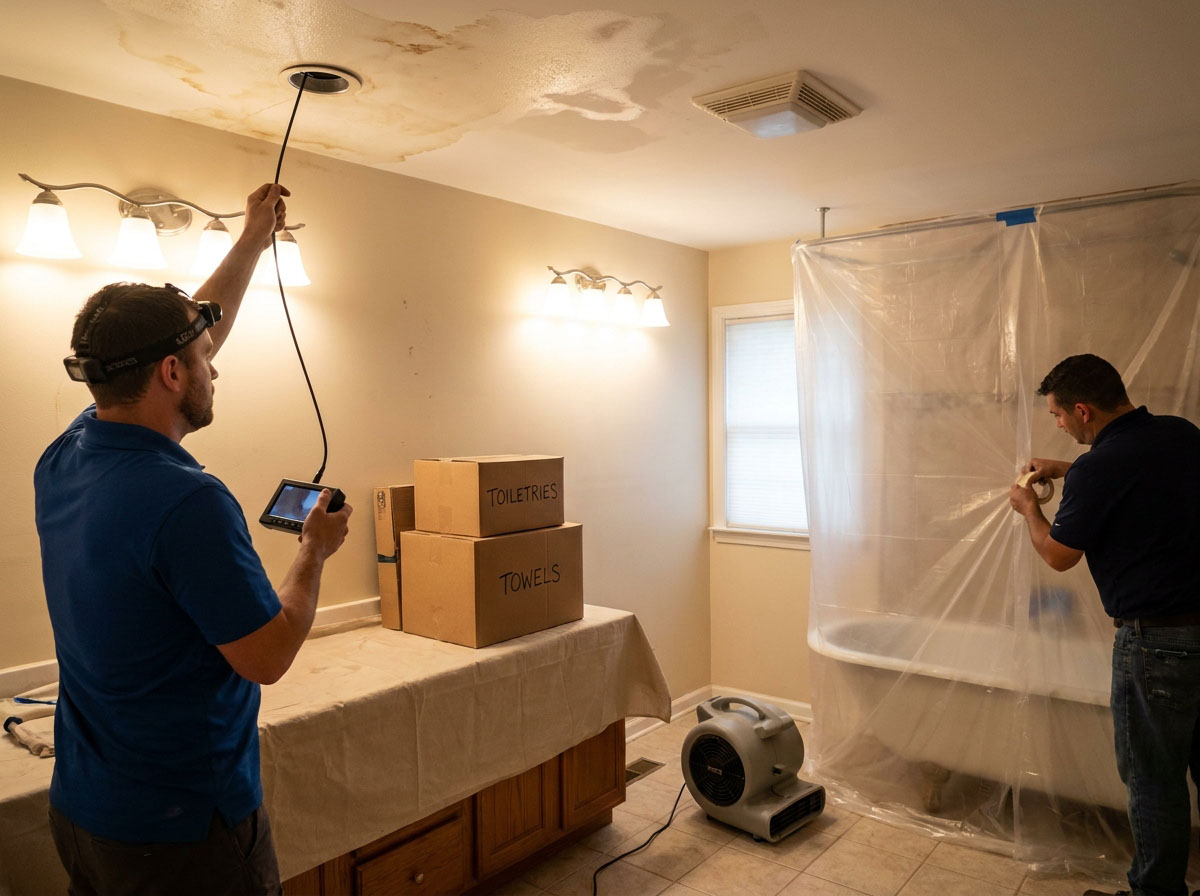
Sewage Mitigation Outcomes: A Case Study from a Recent Hempstead Project
We recently handled a severe sewage breach in a basement in Hempstead that illustrates exactly why speed matters. A homeowner discovered a main line blockage that caused several inches of waste to pool across their finished flooring and antique furniture.
When our team arrived, the air quality was already dangerous. We immediately enacted a containment protocol to stop the spread of airborne pathogens to the upper levels of the home.
The cleanup strategy focused on three specific phases to ensure long term safety:
- Source Elimination: Identifying and clearing the main line clog to stop the flow of waste.
- Sanitization: Using hospital grade disinfectants to kill bacteria on all porous and non porous surfaces.
- Air Scrubbing: Running industrial HEPA filters for 48 hours to scrub the atmosphere of harmful mold spores and sewage particles.
By the time we finished, the basement was completely sterile and the structural integrity of the home was preserved. The homeowner didn't have to sacrifice their property value or risk their family's health because they called for help the moment the odor started.
This result proves that aggressive, professional intervention is the only way to reverse the damage once a catastrophic leak occurs. We don't just move the water; we restore the environment to a safe, living standard.
Essential Restoration Service Options and Comparison Table
When you face a sewer disaster in Nassau County, choosing the right level of support is vital. You need to weigh the cost of immediate professional action against the long term risks of leaving moisture or bacteria behind in your structure.
| Service Type | Response Speed | Sanitization Level | Long Term Safety |
|---|---|---|---|
| Standard Plumbing Fix | Fast | Low | Poor |
| Professional Mitigation | Immediate | Hospital Grade | High |
| DIY Cleaning | Slow | Variable | Dangerous |
| Full Structural Restoration | Scheduled | Certified Sterile | Guaranteed |
Basic plumbing services only focus on stopping the flow of waste. They do not possess the specialized drying equipment or biocides required to render your home safe for your family.
True restoration goes much further than just mopping up. It includes moisture mapping, air scrubbing to remove airborne pathogens, and industrial grade deodorization. Choosing a full service expert ensures that every square inch of your basement or crawlspace meets strict health codes.
Key Factors to Evaluate
- Check for IICRC certification in water damage restoration.
- Verify the company uses EPA registered disinfectants.
- Ensure the team provides a detailed drying log for insurance purposes.
- Confirm availability for 24/7 emergency dispatch across Nassau County.
Do not settle for a quick patch job when the structural integrity of your home is at stake. Proper mitigation is a high stakes investment that prevents mold growth and structural rot down the road.
Protecting Your Home Against Future Backups
Stopping a sewage disaster before it starts is infinitely cheaper than paying for a cleanup. Most homeowners in Nassau County ignore their pipes until the toilet overflows, but that is a costly mistake. You need to be proactive about your home’s plumbing health.
Start by scheduling regular maintenance with a licensed pro. If you live in an older neighborhood, your sewer lines might be dealing with tree roots or structural decay. A simple inspection can save you tens of thousands in property damage later on.
Key Defensive Measures for Nassau County Homes
You can harden your property against future floods by installing specific hardware. These devices act as a barrier between the city sewer line and your home, keeping the waste where it belongs.
- Install a backwater valve, which allows water to exit your home but prevents city sewage from flowing backward into your basement.
- Replace old clay or orangeburg pipes with modern PVC to stop root intrusion.
- Never flush non-biodegradable items like wet wipes or feminine products, even if the box claims they are flushable.
If you suspect your pipes are already struggling, do not wait for the backup to happen. Learn more about our professional Sewage Backup Cleanup services to see how we identify weaknesses before they turn into emergencies. Staying ahead of the curve is the only way to ensure your basement stays dry and your family stays safe.
People Also Ask
Does homeowners insurance cover sewage backup in Nassau County?
Coverage for sewage backups depends on your specific policy, as it is often an optional add-on rather than a standard inclusion. We recommend reviewing your declaration page to see if you have water backup and sump discharge coverage.How long can I safely stay in my home after a sewage spill?
You should vacate the area immediately, as raw sewage contains pathogens that pose significant health hazards to humans and pets. According to the CDC guidelines, direct contact with these materials can lead to severe illness and respiratory issues.Why is professional equipment required for sewage remediation?
Professional restoration teams use industrial-grade dehumidifiers and antimicrobial agents to neutralize bacteria that standard household cleaners cannot reach. This equipment ensures that your property is fully sanitized and moisture levels are returned to a safe state to prevent mold growth.What are the first signs of a sewage backup in my basement?
Common indicators include a foul odor, gurgling sounds coming from your drains, or visible wastewater pooling near floor drains. If you notice these symptoms in your Nassau County home, contact a restoration specialist immediately to prevent structural damage.Can I clean up a sewage backup myself if it is a small amount?
Attempting to handle sewage cleanup yourself is discouraged due to the extreme biohazard risks associated with Category 3 water. Improper cleaning can lead to long-term contamination of your flooring, drywall, and subflooring materials.Need Water Damage Restoration Services?
We provide immediate water damage mitigation and restoration services to property owners throughout Nassau County and surrounding communities. Our rapid response teams stabilize your home or business to prevent further damage and restore your property to pre-loss condition (11501, 11530, 11550, 11590, 11001).
Request Project Estimate