


⚡ TL;DR: Before purchasing a home in Nassau County, you should prioritize a professional mold inspection to identify hidden moisture issues that standard property reviews often fail to detect effectively.
📋 What You’ll Learn
Navigating the Nassau County housing market requires vigilance against moisture issues. This guide helps prospective buyers identify hidden mold risks, understand remediation costs, and ensure their future home remains safe.
- Master local moisture risks by understanding how Nassau County’s coastal climate and fluctuating humidity levels create the perfect environment for mold to thrive behind your home’s interior walls.
- Detect hidden mold hazards during your property walkthrough by learning exactly where to look for warning signs like discoloration or dampness that standard home inspectors frequently overlook.
- Calculate potential remediation costs by reviewing our detailed breakdown of expenses, comparing the long term value of proactive prevention against the high price of emergency professional mold removal.
- Follow professional testing protocols to ensure you receive an accurate air quality analysis, providing you the data needed to negotiate repairs or walk away from a toxic property.
📖 Reading time: 8 min
✍️ Author expertise: Nassau County restoration expert with fifteen years of experience remediating local mold outbreaks.
You have finally found the perfect home in Nassau County. The neighborhood is quiet, the price is right, and you are ready to sign the papers.
But before you hand over your hard-earned cash, there is a silent, invisible tenant that could turn your dream investment into a financial nightmare. If you skip this one specific step, you might end up paying thousands for repairs before you even unpack your first box.
Mold is a master of disguise, often hiding behind fresh paint or tucked away inside dark wall cavities where the naked eye simply cannot see it. Ignoring this threat is a gamble that rarely pays off for local buyers.
Keep reading to discover why a professional mold inspection is the only thing standing between you and a toxic property disaster.
Nassau County’s Unique Climate and Its Role in Mold Proliferation
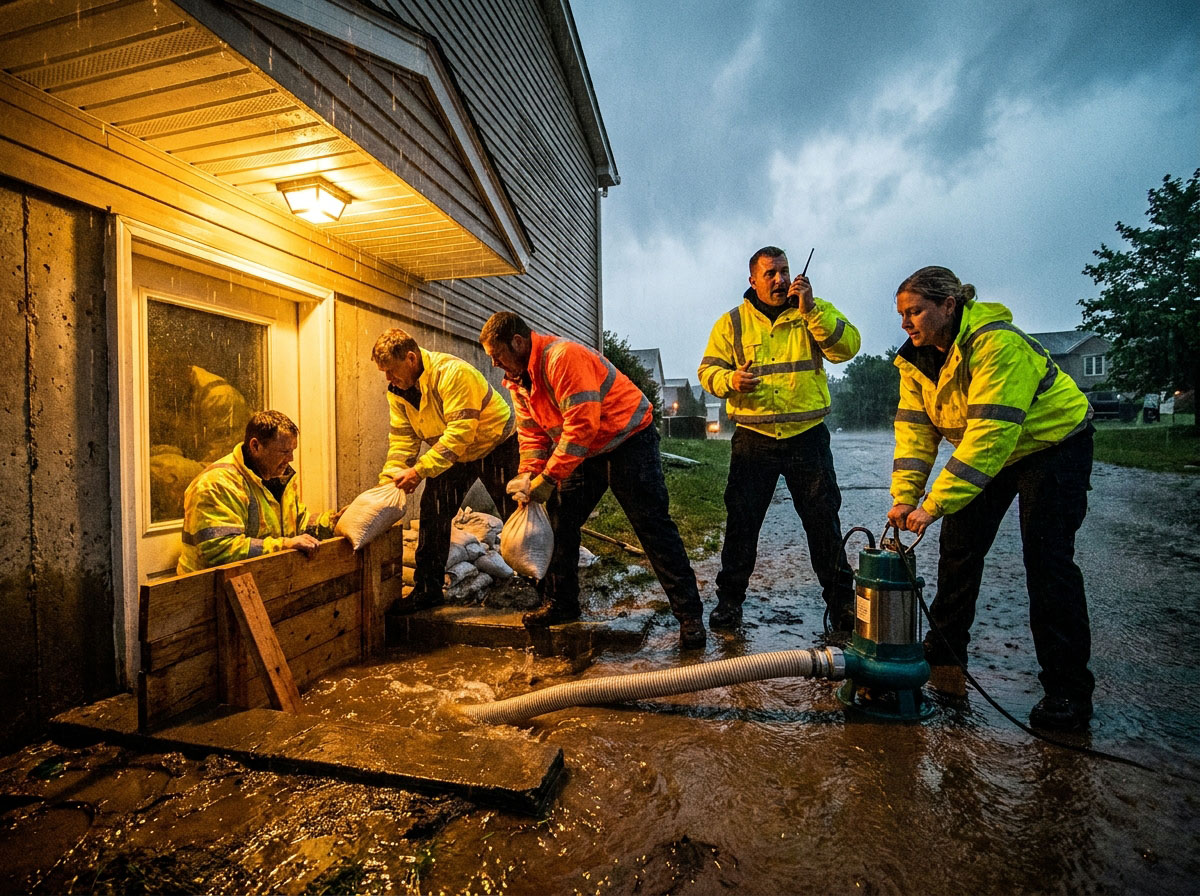
Nassau County sits at the mercy of the Atlantic coastline, creating a persistent moisture trap that many homeowners overlook. Between the humid salt air and the heavy seasonal rainfall, our local environment acts as a massive incubator for fungal growth.
If the air outside feels heavy, your home's structure is likely soaking it up. This moisture feeds mold colonies that thrive in the hidden corners of your living space.
Consider these climate factors that put your property at risk:
- Coastal humidity levels frequently spike above 70 percent, which is the magic number for mold activation.
- The freeze-thaw cycles common in New York winters cause microscopic cracks in foundations, allowing exterior water to seep inward.
- Proximity to the Long Island Sound and the Atlantic Ocean creates a continuous cycle of dampness that never fully dries out.
When you buy property here, you are not just buying a house. You are buying a structure that must constantly battle the elements just to stay dry.
Without a specialized inspection, you might be inheriting a basement or attic that has been damp for years. Mold does not wait for a homeowner to move in before it begins to spread; it uses the constant humidity to establish a permanent residence inside your walls.
Identifying the Red Flags: Common Spots Where Mold Hides in Local Homes
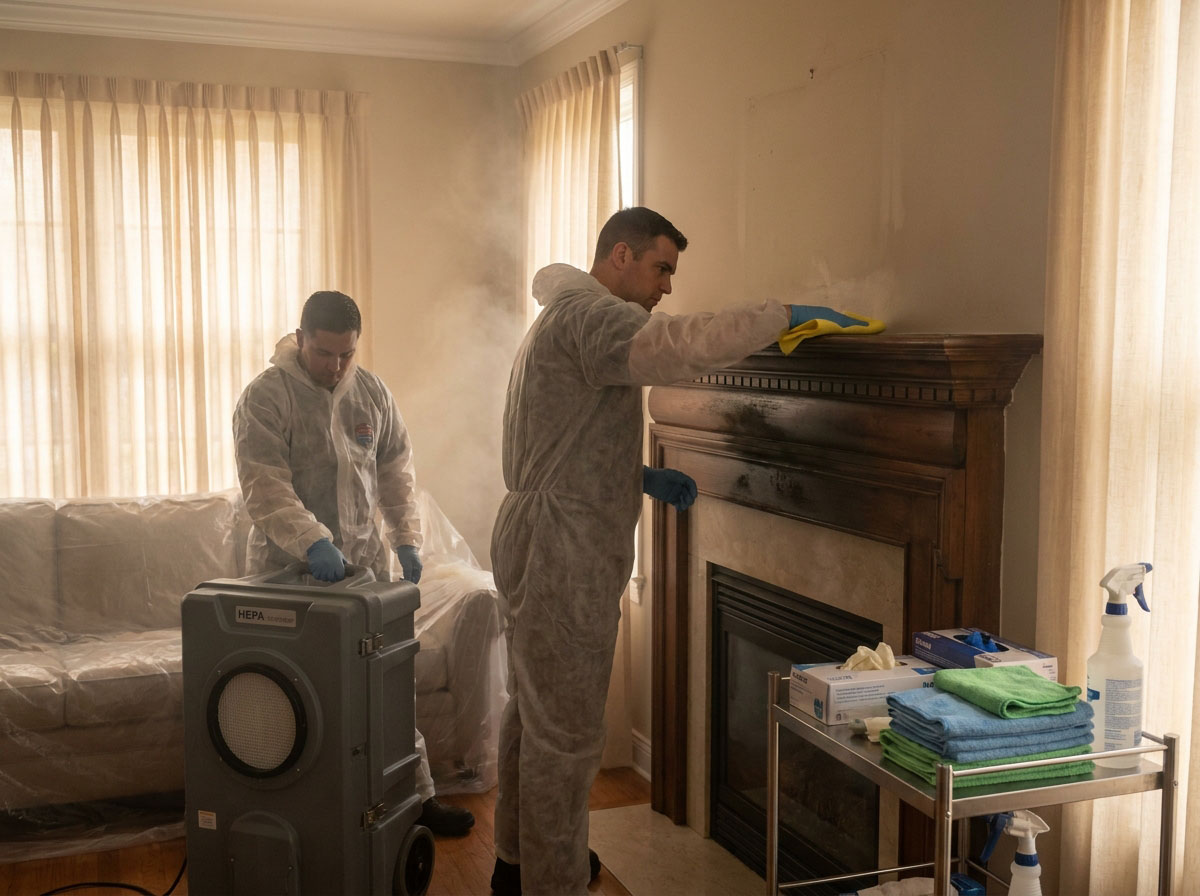
Mold does not announce its presence with a sign. In Nassau County homes, it loves to colonize areas where moisture lingers, often remaining completely invisible to the average buyer during a standard walk-through.
You need to be suspicious of any property with a history of water issues. Keep a sharp eye on these specific zones where spores thrive:
- Basement corners and foundation cracks: These are prime real estate for moisture wicking.
- Behind bathroom vanities: Plumbing leaks often drip behind the cabinet, creating a dark, damp petri dish.
- Attic rafters near roof vents: Poor ventilation leads to condensation that feeds wood-decaying fungi.
- Underneath fresh coats of paint: Sellers sometimes try to cover up stains with a quick layer of KILZ or paint, but the musty smell often lingers.
Always trust your nose. If you walk into a property and detect a musty, earthy scent, do not let a real estate agent convince you that it is just old carpet or poor ventilation. That smell is a massive red flag indicating active mold growth inside the wall cavities or beneath the floorboards.
If you see signs of efflorescence on your basement walls, which looks like a white, powdery residue, take it seriously. It is a clear sign that water is moving through your foundation, and where water goes, mold is sure to follow. Do not assume you can just wipe it away; you are likely looking at the surface-level symptom of a much deeper moisture problem.
The Hidden Cost: A Detailed Expense Table of Remediation vs. Prevention
Most homebuyers see a small inspection fee and think they are saving money by skipping it. In reality, you are just kicking the can down the road until the bill becomes astronomical.
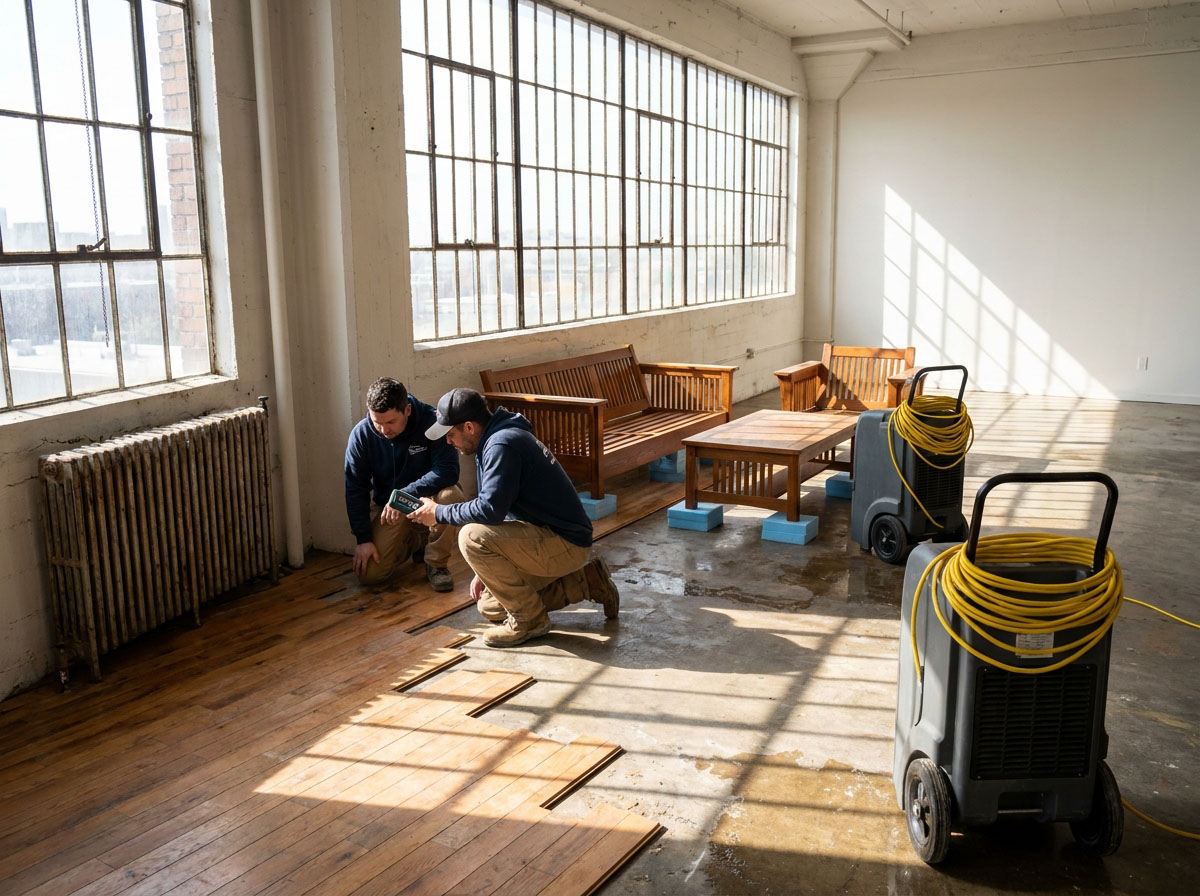
When you catch mold early, you are paying for a professional clean up. When you ignore it until you move in, you are paying for mold remediation, structural repairs, and potentially your family's medical bills.
| Action | Estimated Cost | Benefit |
|---|---|---|
| Mold Inspection | $300 - $600 | Peace of mind |
| Minor Remediation | $1,500 - $3,000 | Fixes localized issues |
| Full Basement Cleanup | $5,000 - $12,000+ | Restores property value |
| Structural Replacement | $15,000 - $30,000+ | Necessary for health safety |
Think about that price gap for a second. Investing a few hundred dollars today could save you five figures in the future.
If you find mold during the inspection, you hold all the cards. You can demand the seller pay for the remediation, or you can walk away from the deal entirely.
The Real Price of Waiting
Once you sign that deed, the problem is legally yours. Here is what happens when you decide to skip the inspection:
- You absorb the total cost of professional abatement services.
- You risk toxic spore exposure while living in the home during repairs.
- You may need to replace drywall, flooring, and insulation that absorbed the moisture.
- Your home insurance may deny a claim because mold is often considered a maintenance issue rather than a sudden accident.
Don't be the person who spends their first month in a new house wearing a respirator. Get the facts before the keys are in your hand.
Why Your Standard Home Inspection Isn't Enough to Detect Toxic Spores
Most homebuyers assume their general property inspection covers everything from the roof to the foundation. This is a dangerous misconception.
A standard inspector is looking for structural defects, plumbing leaks, or electrical hazards. They are generalists, not environmental scientists.
They do not carry the specialized equipment required to sniff out microbial growth. If they don't see a visible patch of black fuzz on a wall, they typically mark the area as clear.
Here is why their checklist falls short of your needs:
- They lack specialized moisture meters that detect hidden dampness inside walls.
- Standard inspectors do not conduct air quality testing to measure spore counts.
- They do not use infrared cameras to identify temperature variances that indicate internal condensation.
- Mold often grows behind new drywall or fresh paint meant to mask a recent flip.
Think of a general inspection like a quick checkup at your primary doctor. They ensure you are breathing and your heart is beating, but they aren't running a full biopsy to check for deep-seated illness.
When you skip a dedicated mold inspection, you are flying blind. You are trusting the word of someone who is not qualified to confirm that the air in your future bedroom is safe for your family to breathe.
Microscopic spores can trigger severe respiratory issues, skin irritation, and long-term health consequences. You cannot spot these threats with the naked eye, and a standard home report will rarely save you from them.
Lessons from the Nassau County Basement Mold Case Study
We recently took on a project for a young couple who bought a beautiful 1950s Cape Cod in Massapequa. Everything looked spotless during their walk-through, but the home had been staged with heavy scented candles and fresh coats of bright white paint.
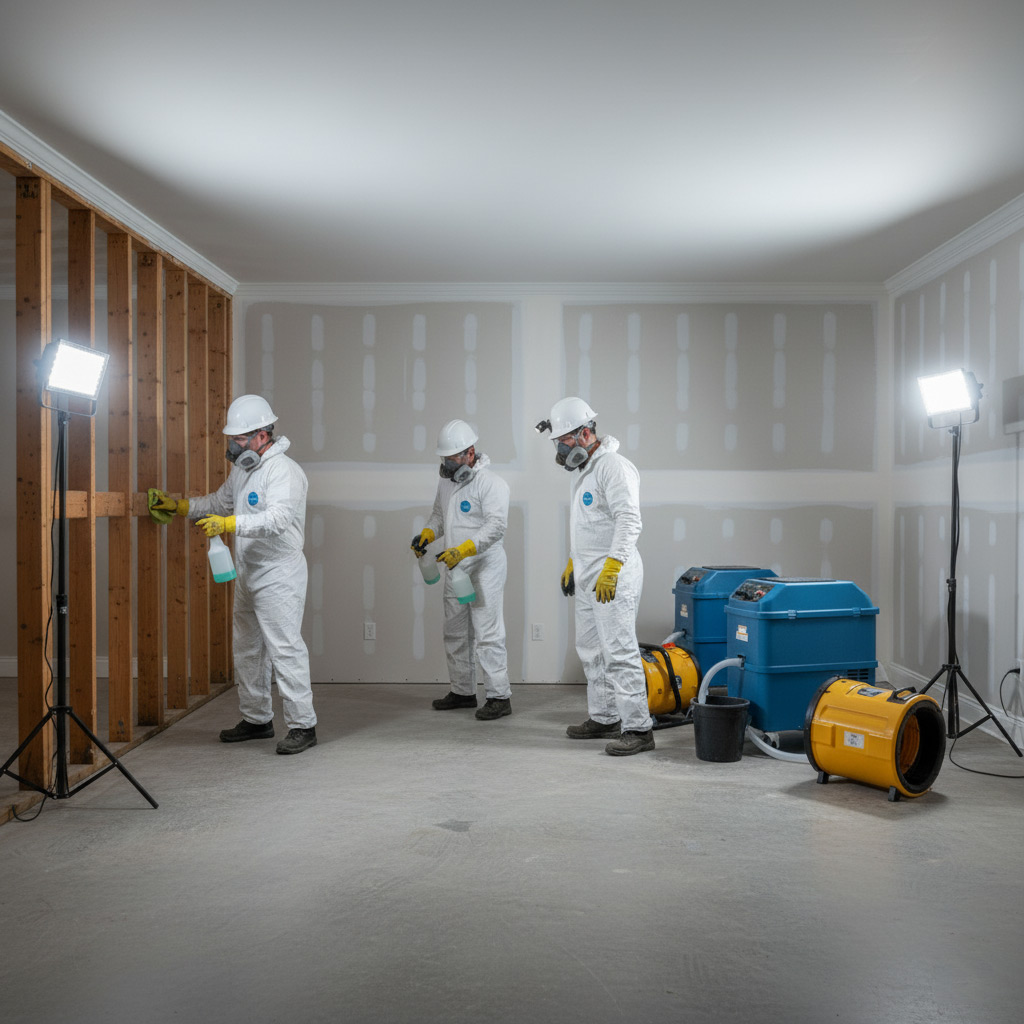
Three weeks after moving in, the wife noticed a faint, earthy smell whenever the dehumidifier kicked on. Upon peeling back a loose piece of baseboard in the laundry room, we found a thriving colony of Stachybotrys, or black mold, eating through the drywall and soaking into the floor joists.
This discovery turned their dream home into a massive headache overnight. The previous owners had hidden the problem with superficial repairs rather than fixing the underlying moisture issue. Here is what we found when we opened the walls:
- Wet insulation saturated with fungal spores.
- Rusting metal wall studs indicating long-term condensation.
- Water staining on the backside of the drywall that was painted over from the front.
The couple spent a significant amount of their savings on emergency remediation because the mold had already compromised the air quality throughout the main floor. Had they invested in a professional, non-invasive infrared inspection before signing, they would have caught the moisture buildup behind the wall. Never assume that a clean-looking house is a dry one.
The Step-by-Step Protocol for Professional Mold Testing and Air Quality Analysis
Professional mold detection is not a guessing game. It is a precise science that requires specialized gear to reveal what your eyes cannot see. When our technicians arrive at a Nassau County property, we follow a strict sequence to ensure no stone goes unturned.
First, we conduct a thorough visual scan of the entire building, focusing on moisture-prone areas like utility rooms and crawl spaces. We use moisture meters and thermal imaging cameras to track hidden leaks behind your drywall.
Once we identify potential trouble spots, we initiate the formal sampling phase:
- Air Spore Sampling: We pull air samples from both inside the home and outside to establish a baseline for comparison. This detects elevated spore counts that remain suspended in your living space.
- Surface Swab Testing: If we spot visible growth, we take a direct sample to identify the specific genus of the mold. Knowing the type of mold helps us determine the severity of the health risks.
- Bulk Material Analysis: In some cases, we remove a tiny portion of building material to check for deep rot or internal colony development.
After we collect the data, we send the samples to an independent laboratory for objective analysis. You receive a comprehensive report that details the concentration and variety of spores found in the air. We do not just tell you that you have a problem; we provide the scientific evidence you need to negotiate your home purchase or walk away from a bad deal entirely.
Final Words
Buying a home in Nassau County is a massive financial commitment. Do not let a hidden mold colony turn your equity into dust before you even move in.
If you suspect a property has moisture issues, do not rely on your general inspector to catch it. They are looking for structural integrity, not microscopic fungal spores.
You need a dedicated Mold Inspection to get the truth. This is your only way to leverage a lower price or force the seller to pay for professional remediation.
Three Rules for Every Home Buyer
- Test before you sign. Never waive your right to a mold assessment, even if the market feels competitive.
- Follow the water. If you see fresh paint in a basement or bathroom, ask questions. It might be a cover-up for a leak.
- Demand documentation. If the seller claims they fixed a mold issue, ask for the lab reports and the receipt from a certified company.
Smart buyers do not guess. They get the data and make a choice based on facts rather than hope.
Protect your family and your wallet. Call a professional team today to secure your property purchase with total confidence.
People Also Ask
Does a standard home inspection cover mold testing in Nassau County?
Most standard home inspections are visual only and do not include specialized mold testing or air quality analysis. You typically need to hire a certified mold inspector to identify hidden spores or moisture issues before closing on a property.How much does a professional mold inspection cost?
The cost of a mold inspection varies based on the size of the home and the number of air or surface samples required. Investing in an inspection now is significantly cheaper than the high costs associated with later mold remediation efforts.What are the common signs of mold in a Nassau County home?
Look for persistent musty odors, visible dark spots on walls or ceilings, and signs of water staining or previous flooding. High humidity levels in basements and crawl spaces are often early indicators that a professional evaluation is necessary.Is mold disclosure required when selling a home in New York?
New York State property law requires sellers to disclose known material defects, including issues related to water damage or mold. If a seller is aware of these problems, they must document them in the Property Condition Disclosure Statement.When should I get a mold inspection during the home buying process?
You should schedule a mold inspection immediately following your initial home inspection and before your contract becomes binding. This allows you to negotiate repairs or price adjustments if significant fungal growth is discovered.Need Water Damage Restoration Services?
We provide immediate water damage mitigation and restoration services to property owners throughout Nassau County and surrounding communities. Our rapid response teams stabilize your home or business to prevent further damage and restore your property to pre-loss condition (11501, 11530, 11550, 11590, 11001).
Request Project Estimate