
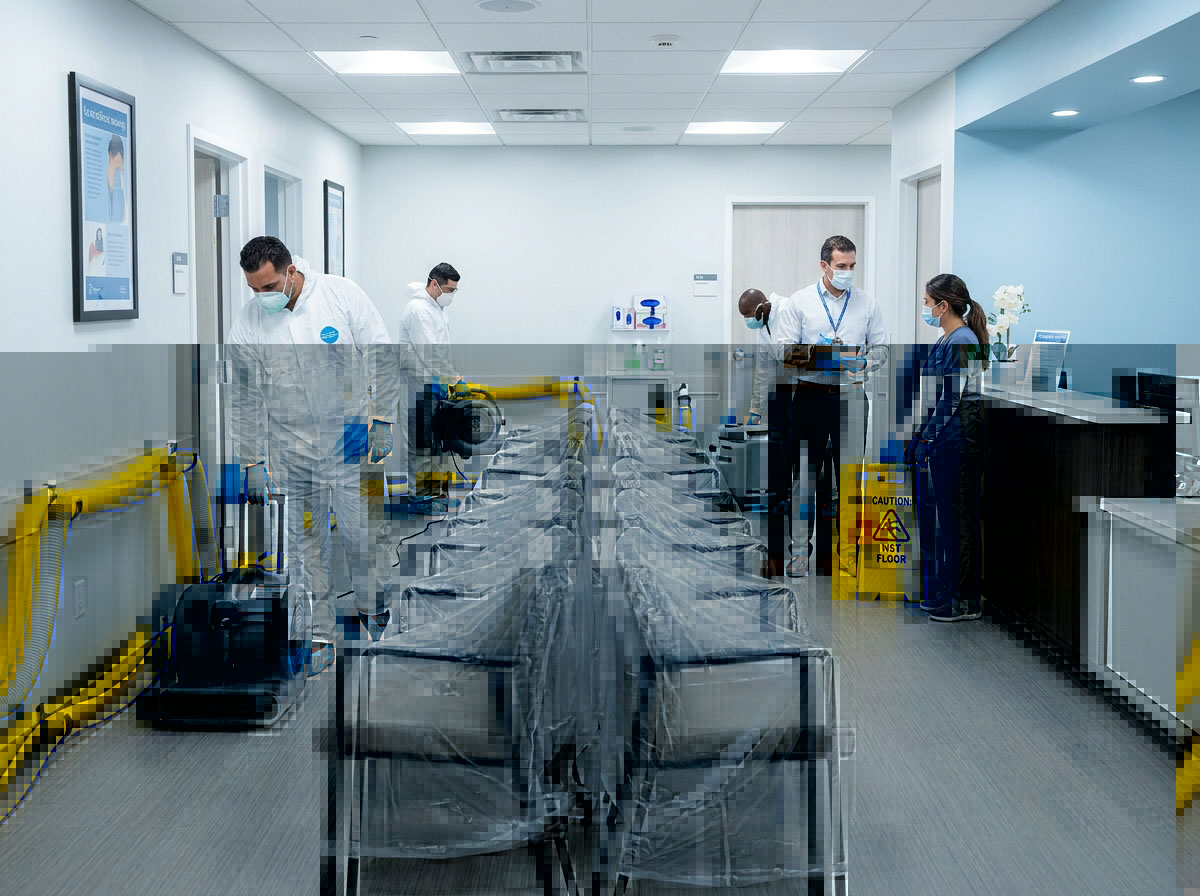


⚡ TL;DR: This comprehensive guide helps Nassau County homeowners identify the causes of hardwood floor water damage, outlines essential response steps, and explains how to select qualified local restoration professionals.
📋 What You’ll Learn
In this comprehensive guide, you will discover effective strategies to identify, mitigate, and repair hardwood floor water damage specifically caused by the unique environmental conditions found throughout Nassau County homes.
- Identify common hidden moisture culprits found in Long Island properties that frequently cause warping, cupping, or mold growth beneath your beautiful oak and maple flooring surfaces.
- Master immediate emergency response steps to take as soon as a spill or leak occurs, which will help you prevent permanent structural damage to your expensive floors.
- Understand professional moisture management protocols by learning how industry experts use specialized drying technology to safely restore subfloors and planks after significant water intrusion events.
- Select the right mitigation expert for your specific needs by evaluating credentials and local experience to ensure your home restoration project withstands our coastal climate.
📖 Reading time: 8 min
✍️ Author expertise: Certified water damage restoration specialist with decades of field experience across Nassau County.
You wake up to the sound of water dripping, only to find your beautiful hardwood floors cupping and buckling under a silent leak. It is a homeowner’s worst nightmare, and in a place like Nassau County, where seasonal humidity and aging pipes collide, your home’s value can vanish beneath your feet in a matter of hours.
Many people assume a wet floor is a lost cause that requires a full replacement and a massive bill. They are wrong, but acting on bad advice usually turns a minor repair into a total disaster.
I have seen countless neighbors throw away good money on flooring specialists who do not understand the specific moisture problems we face here on Long Island. Before you pull out your checkbook or start ripping up boards, here is exactly how to stop the decay and save your investment.
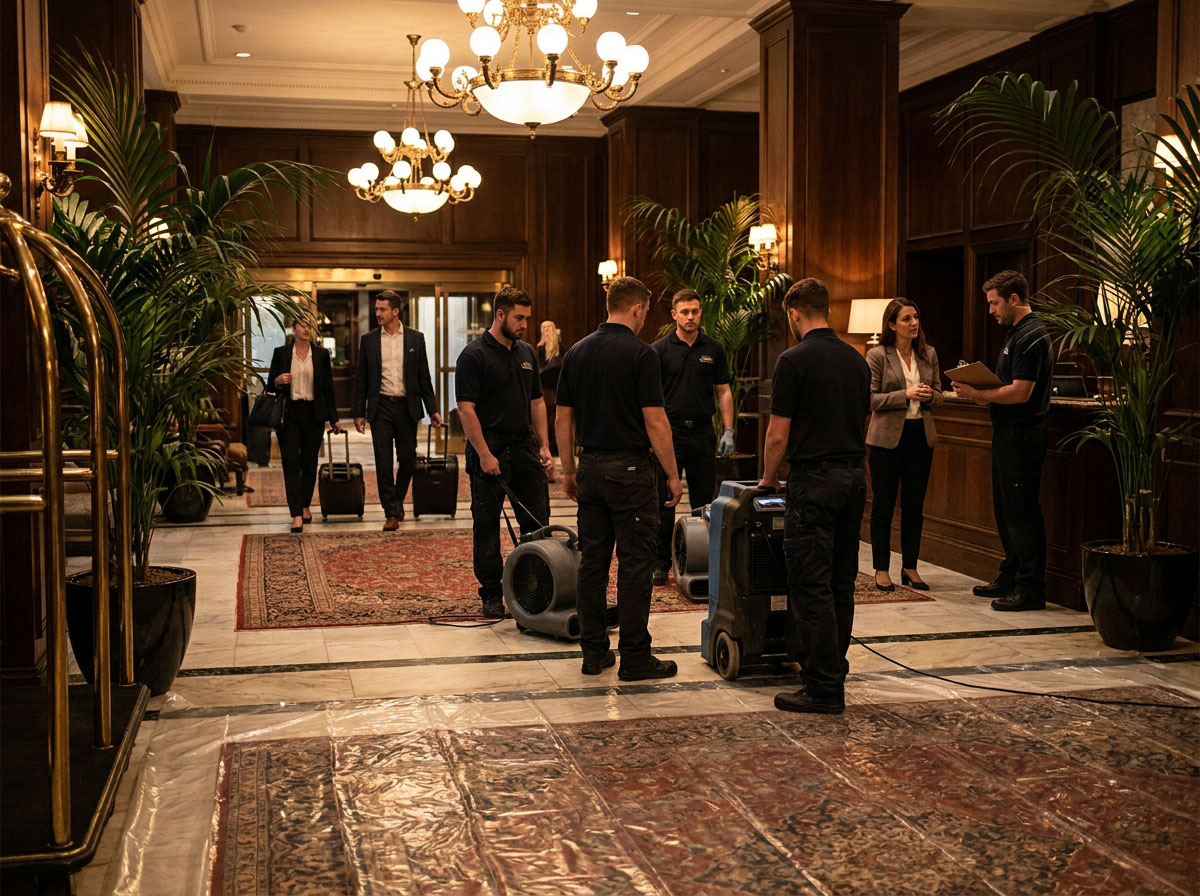
The Hidden Culprits: Why Nassau County Homes Are Prone to Floor Water Damage
Living in Nassau County comes with a unique set of challenges for your floors. The combination of our proximity to the Atlantic and aging infrastructure creates a perfect storm for wood deterioration.
Most people blame sudden pipe bursts, but the real damage often starts long before you notice a puddle. We deal with high ambient moisture levels that permeate even the best built homes. If your crawl space ventilation is poor or your home has settled unevenly, your floors are essentially breathing in excess moisture every single day.
Think about the common enemies hiding behind your walls:
- Salt Air Intrusion: Coastal air carries moisture deep into floorboards, causing the wood fibers to expand and weaken over time.
- Foundation Settlement: Many older homes in towns like Manhasset or Garden City experience slight shifts. This creates micro gaps that act as funnels for condensation.
- High Water Tables: Seasonal rain spikes in Long Island often lead to hydrostatic pressure pushing moisture up through slab foundations, hitting your hardwood from underneath.
These factors create a hidden cycle of expansion and contraction. While your floors might look fine today, the integrity of the wood is slowly failing. Once the finish cracks, the wood becomes a sponge, and that is when the real trouble begins.
Immediate Crisis Protocol: Steps to Take Before the Damage Sets In
When you spot standing water on your hardwood, speed is your only friend. You have a very narrow window to prevent permanent warping and dangerous mold growth before the wood fibers swell beyond the point of no return.
Stop everything and follow these essential steps to protect your investment:
- Cut the power to the area if water is near electrical outlets or floor fixtures.
- Use a wet/dry shop vacuum to extract all surface water immediately.
- Do not use heat sources like hair dryers; they will shock the wood and cause instant cracking.
- Clear all furniture off the wet boards to allow the surface to breathe and prevent staining.
- Call a professional restoration expert who specializes in subfloor moisture extraction.
Once the surface water is gone, your focus must shift to the environment. Hardwood acts like a sponge, soaking up humidity from the air even after you wipe the floor dry. Keep your windows closed to prevent Nassau County's maritime air from fueling the moisture, and if you have a dehumidifier, run it at the highest setting in the affected room. Do not walk on the cupping boards, as applying pressure while the wood is saturated will permanently damage the tongue and groove locking mechanisms.
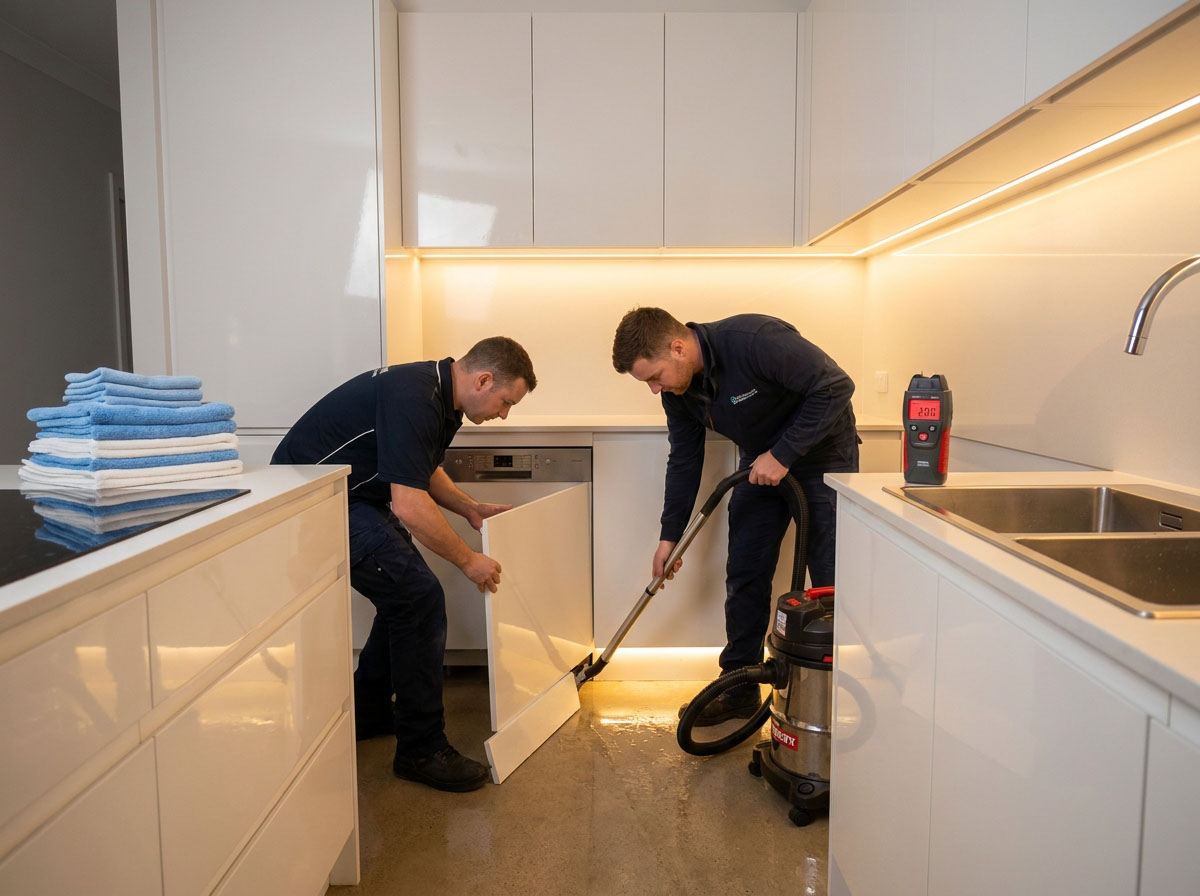
The Moisture Management Table: A Breakdown of Humidity Thresholds and Floor Responses
Your hardwood floors are essentially giant sponges that never stop breathing. In Nassau County, our coastal air keeps moisture levels fluctuating constantly, which forces your wood to expand and contract.
If you don’t track these changes, you are essentially flying blind. Most homeowners ignore the science of indoor air quality until the finish starts peeling or the boards begin to crown.
| Relative Humidity (RH) | Moisture Content (MC) | Floor Condition |
|---|---|---|
| Below 30% | Below 6% | Gapping and splintering |
| 40% to 50% | 7% to 9% | Ideal equilibrium |
| 60% to 70% | 10% to 12% | Signs of minor cupping |
| Above 75% | Above 13% | Buckling and mold growth |
When the moisture content of your subfloor exceeds that of the hardwood, the bottom of the plank absorbs water faster than the top. This causes the edges to swell, creating the classic cupping shape we see all too often after a basement flood or a pipe burst.
You need to maintain a strict balance to avoid permanent damage. Follow these quick rules to keep your home in the safe zone:
- Keep your indoor relative humidity between 35% and 50% year-round.
- Invest in a quality hygrometer to monitor daily changes.
- Run a dehumidifier in your basement during the damp Long Island spring.
- Avoid over-cleaning with wet mops that leave standing liquid on the surface.
If your floor boards are already showing gaps or crowns, do not try to force them back down with heavy weight. You have to stabilize the environment first, or you will simply crack the wood fibers and ruin the grain for good.
Professional Drying Techniques vs. DIY Amateur Mistakes
Most homeowners grab a shop-vac and a couple of box fans the moment they spot standing water. While your intentions are noble, this approach often traps moisture beneath the floorboards, leading to aggressive mold growth and permanent rot.
Professional restoration demands industrial-grade dehumidification and specialized drying mats that force warm air directly into the wood grain. We don't just dry the surface; we pull the deep-seated moisture out of the subfloor to prevent the wood from staying warped forever.
If you take the DIY route, you are likely missing these critical steps:
- Failing to remove baseboards to allow airflow behind the walls.
- Using heat sources that are too intense, which causes the wood to crack or splinter.
- Ignoring the moisture levels in the crawlspace or basement below the damaged area.
A professional team uses sensors to map exactly where the water has traveled behind your walls and under your cabinets. Relying on a hardware store dehumidifier to fix a flood is like bringing a squirt gun to a house fire; it is simply not enough to stop the hidden structural damage that occurs when wood stays saturated for more than 48 hours.
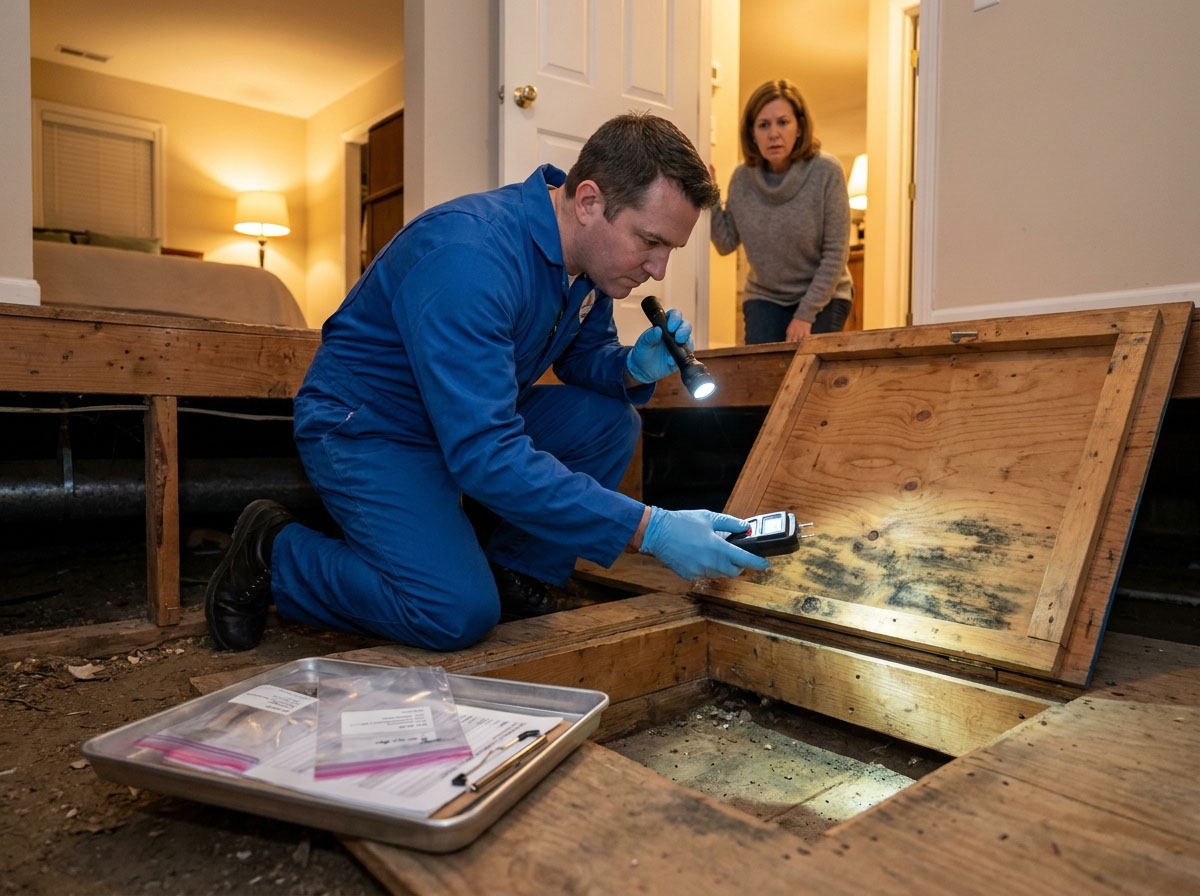
Restoring Your Oak and Maple: A Great Neck Water Damage Case Study
I recently stepped into a colonial home in Great Neck where a failed dishwasher line sent water seeping across a stunning oak floor. The homeowners were ready to demo the entire living area because the boards were cupping and showing dark water stains.
They thought the wood was ruined forever. Instead of ripping it out, we used a specialized moisture extraction system to pull water from the subfloor before it could permanently warp the grain.
Here is what that restoration process actually looked like on the job site:
- First, we used thermal imaging to map exactly where the water was hiding under the floorboards.
- Second, we deployed high-pressure air injectors into the gaps of the oak to force out trapped vapor.
- Finally, we carefully monitored the board moisture content until it returned to the specific equilibrium needed for our local climate.
The result was simple: the floor stayed in place, the cupping flattened out as the wood dried, and the client saved thousands by avoiding a full tear-out. Oak and maple are incredibly resilient if you stop the moisture at the source before the cell walls of the wood collapse. If you wait even a few days too long, the repair costs will triple as mold and rot begin to take hold.
Selecting the Right Mitigation Expert for Long Island’s Unique Coastal Climate
Not every restoration company is built to handle the salt air and high moisture levels we deal with in Nassau County. If your contractor treats your home like they are working in a desert climate, your floors will suffer the consequences within a month.
You need someone who understands that coastal humidity behaves differently than inland moisture. A real pro will bring the right gear to combat the specific vapor pressure we see from the Atlantic influence.
When you interview a restoration expert, look for these specific red flags and requirements before you let them touch your property:
- Ask if they use industrial-grade desiccant dehumidifiers rather than just standard refrigerant units.
- Check if they are local; you want a team that knows the age and construction styles of Nassau County homes.
- Ensure they have a moisture mapping plan that tracks humidity levels behind baseboards and under subfloors.
- Verify they provide a certified moisture report before they declare the job complete.
Avoid any company that rushes you toward a full floor replacement without performing a full diagnostic scan first. A true expert wants to save your wood, not just maximize the size of your invoice.
If they seem interested in the insurance payout more than the preservation of your historical home, show them the door. Your floors are a major asset, and you should treat the hiring process like you are interviewing a surgeon for your house.
Final Words
Fixing hardwood floors after a water event is not about luck; it is about precision and timing. If you ignore the moisture, you invite mold, rot, and thousands of dollars in extra costs.
You can learn more about our specialized approach by visiting our Hardwood Floor Water Damage resource center. We have seen every type of damage, from basement floods to pipe bursts behind the walls.
If you want to save your floors, keep these rules in mind:
- Never wait for the wood to dry on its own.
- Avoid using space heaters which can cause uneven drying.
- Call a professional who uses thermal imaging to find hidden saturation.
Your hardwood investment is built to last for generations, but only if you treat it with respect when disaster strikes. Stop the spread, monitor the humidity, and act fast before the damage becomes permanent.
People Also Ask
Can hardwood floors be saved after water damage?
Yes, hardwood floors can often be saved if professional drying begins within the first 48 hours. Using specialized extraction and industrial dehumidification equipment allows experts to remove trapped moisture before permanent warping or mold growth occurs.How do I know if my Nassau County floors have subfloor damage?
If your hardwood shows signs of cupping, crowning, or a persistent musty odor, the subfloor is likely compromised. You should consult the environmental guidelines regarding moisture control to prevent further structural degradation.Why is humidity control important for Long Island homes?
Nassau County experiences significant seasonal humidity shifts that cause hardwood to expand and contract. Maintaining indoor humidity levels between 35 and 55 percent is essential to prevent the wood from buckling or splitting after a water leak.Should I replace or refinish my water damaged floors?
Refinishing is viable if the water damage is superficial and the structural integrity of the boards remains intact. However, if you observe deep rot, mold contamination, or significant plank displacement, replacement is typically the safer long term solution.How long does it take for hardwood floors to dry out?
Professional structural drying typically takes between three to seven days depending on the level of saturation. Continuous monitoring with moisture meters is necessary to ensure the material reaches a safe equilibrium before any refinishing work begins.Need Water Damage Restoration Services?
We provide immediate water damage mitigation and restoration services to property owners throughout Nassau County and surrounding communities. Our rapid response teams stabilize your home or business to prevent further damage and restore your property to pre-loss condition (11501, 11530, 11550, 11590, 11001).
Request Project Estimate