
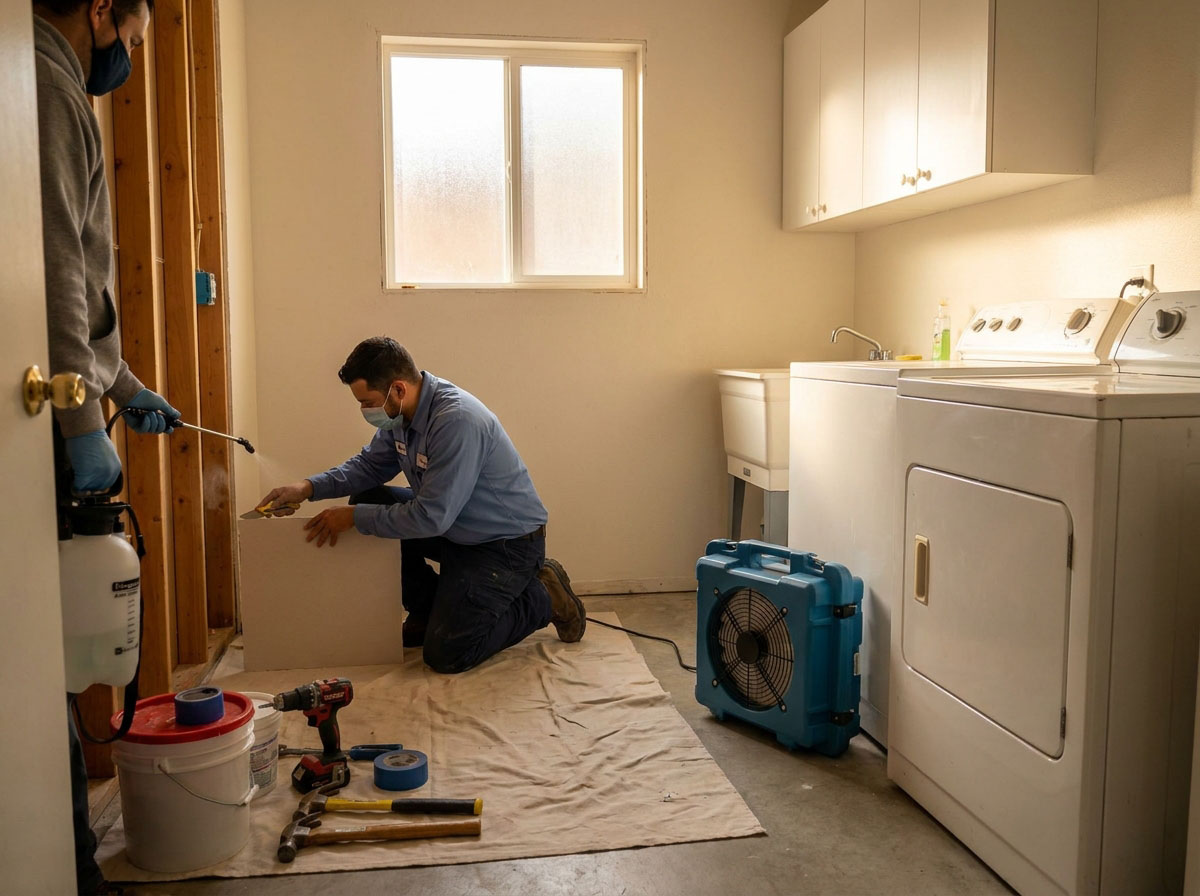


⚡ TL;DR: This comprehensive guide helps Nassau County homeowners manage basement flooding by outlining essential safety steps, insurance navigation, and the critical importance of hiring professionals for effective mold remediation.
📋 What You’ll Learn
If your home in Nassau County has recently suffered from basement flooding, this guide provides the essential steps and local expertise required to restore your property and ensure long-term structural safety.
- Execute immediate safety protocols to protect your family from electrical hazards and contamination while minimizing the spread of water damage throughout your home following severe coastal weather events.
- Compare DIY versus professional mitigation to determine which cleanup tasks you can handle safely and when you should hire local experts to prevent costly structural damage or mold.
- Understand Nassau County flood risks by learning how Nor'easters and rising groundwater levels uniquely impact local foundations and why specific regional restoration techniques are necessary for your property.
- Master insurance documentation requirements to ensure you capture every detail of the damage correctly, which helps you maximize your claim and secure the funds needed for repairs.
- Recognize hidden mold growth signs that often develop after basement flooding so you can prioritize professional remediation and protect the indoor air quality of your living space.
📖 Reading time: 8 min
✍️ Author expertise: Nassau County restoration specialist with a decade of field experience managing basement water emergencies.
You wake up to a strange, damp smell wafting up from the floorboards, only to head downstairs and find your basement transformed into a private indoor swimming pool you never asked for. Whether it is a burst pipe or the latest coastal storm hitting our area, standing water in a Nassau County home is a ticking time bomb for your foundation and your family's health.
Most homeowners make the mistake of waiting for the water to soak into the concrete before they call for help. By the time you spot the first patch of fuzzy mold on your drywall, the repair bill has already tripled.
Time is the one thing you do not have when your property is taking on water. Let’s break down exactly what you need to do right now to protect your assets and get your home back to dry ground.
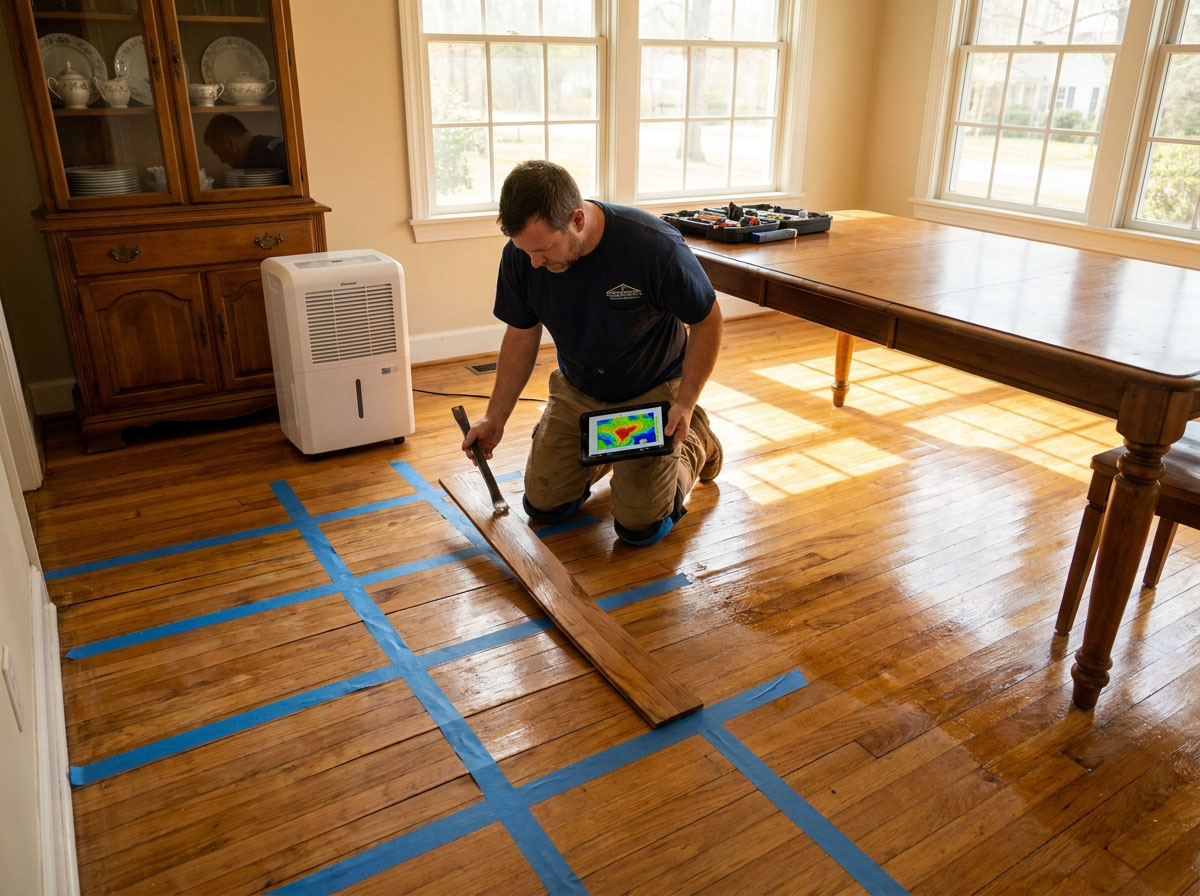
Immediate Steps: Critical Safety Protocols for Nassau County Flooding
Your first move when you spot basement flooding determines whether you walk away with minor repairs or a total financial loss. Before you even think about grabbing a mop, you must kill the power.
If your electrical panel is located in the flooded area, do not step into the water. Contact your utility provider immediately to cut service to the property because live electricity and standing water are a lethal combination.
Once you are certain the power is off, focus on these safety priorities:
- Wear rubber boots and heavy gloves to protect your skin from contaminated floodwater.
- Avoid touching any wall outlets or switches while any part of your body is wet.
- Turn off the main water valve if you suspect a burst pipe is the source of the flood.
- Do not use household vacuums or electronics to remove the water, as these carry a high risk of electrical shock.
If the water level is rising or you smell sewage, get out of the house immediately. Nassau County floodwaters often contain raw sewage or hazardous chemicals from local runoff. Your safety is worth more than any piece of furniture in your basement, so prioritize an exit strategy if the situation feels unstable.
Professional Mitigation vs. DIY: A Cost Comparison Table for Basement Recovery
Most Nassau County homeowners think grabbing a shop-vac and a few floor fans will save them money. The reality is that amateur cleanup often misses the moisture trapped behind walls or under subfloors, which leads to expensive structural rot later.
| Expense Factor | DIY Cleanup | Professional Restoration |
|---|---|---|
| Industrial Drying Equipment | High Rental Costs | Included in Service |
| Mold Liability | Total Homeowner Risk | Guaranteed Remediation |
| Labor Intensity | Physical Exhaustion | Certified Technicians |
| Insurance Claims | Often Denied/Reduced | Fully Documented/Approved |
| Hidden Damage Detection | None | Advanced Thermal Imaging |
When you handle water damage yourself, you pay for the gear, the lost time, and the inevitable return visits from mold inspectors. Hiring a local expert means you get access to industrial-grade dehumidifiers and moisture mapping tools that a hardware store rental just cannot match.
Think about the long-term impact on your property value. A professional restoration company provides a certified paper trail that proves the job was done to industry standards, which is vital when you eventually decide to sell your home.
Why DIY Often Backfires
- Surface drying does not address moisture inside wall cavities or insulation.
- Incorrect handling of contaminated water can spread bacteria throughout your HVAC system.
- Missing one spot of moisture creates a permanent home for toxic mold spores.
You might save a few hundred dollars today by renting a fan, but you are gambling with your home's integrity. Don't risk a much larger repair bill because you tried to patch a problem that requires professional-grade mitigation.
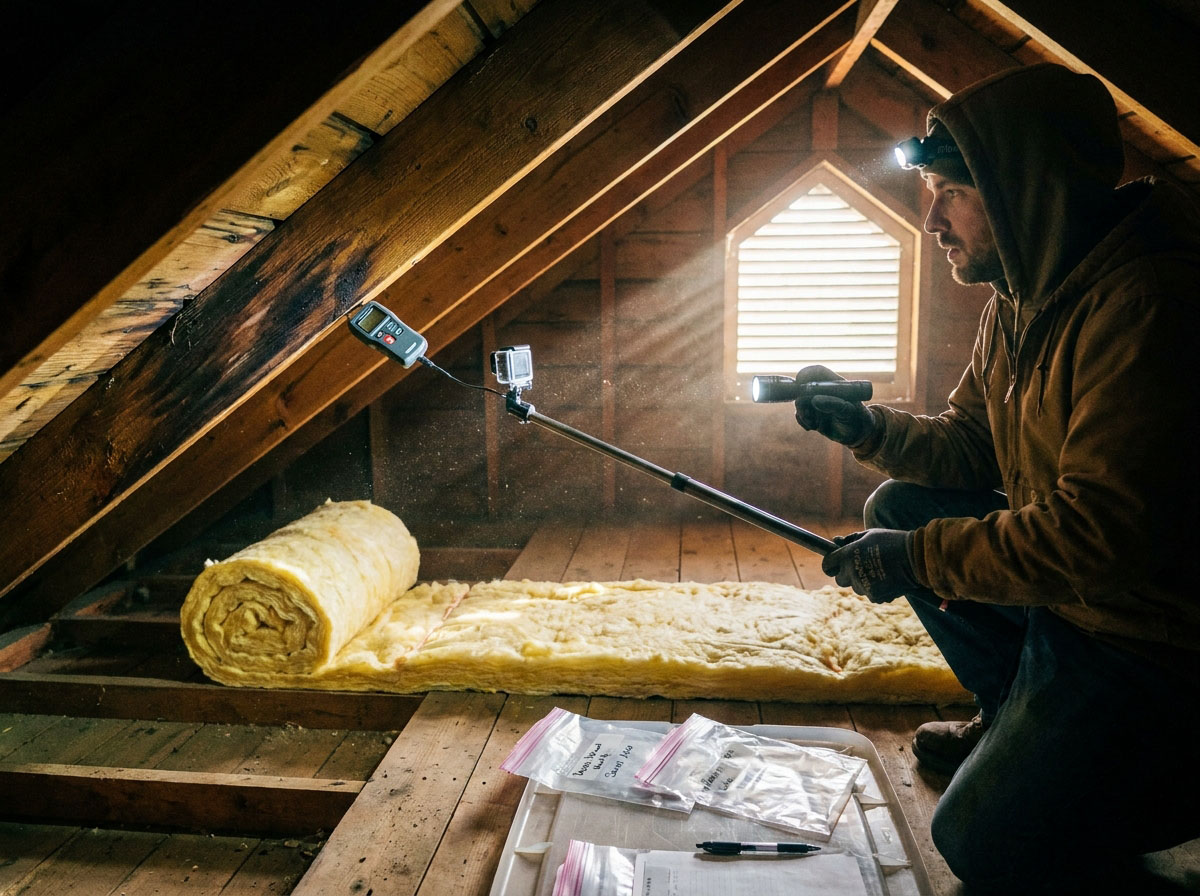
Navigating Nassau County’s Unique Flood Risks: From Nor'easters to Groundwater
Living in Nassau County means accepting that our proximity to the Atlantic and the Long Island Sound comes with a price. We are not just dealing with the occasional heavy rain; we face a complex hydrogeological situation where high groundwater tables often meet intense storm surges.
When a Nor'easter rolls in, it brings more than just wind. It pushes seawater into our drainage systems and saturates the soil until it has nowhere left to go but into your foundation.
The Triple Threat to Nassau Basements
- High Water Tables: Many areas in towns like Freeport and Long Beach sit on low-lying land where the water table is just feet below your basement floor.
- Coastal Storm Surges: Nor'easters can cause rapid sea level spikes that overwhelm local storm drains, backing up water directly into your home.
- Aging Infrastructure: Much of our suburban piping was designed decades ago and cannot handle the current volume of extreme weather events we see today.
The ground beneath your home acts like a sponge. Once the soil reaches its saturation point, hydrostatic pressure builds up against your foundation walls.
This pressure is relentless. It will force moisture through microscopic cracks in your concrete, turning a small leak into a major structural issue before you even realize your sump pump has failed.
From Soaked to Sanitized: Our Success Story Restoring a Historic Rockville Centre Basement
When a historic home in Rockville Centre faced a catastrophic basement flood, the homeowners were terrified. The foundation dated back nearly a century, and the water was rapidly compromising the structural integrity of the century-old brickwork.
We arrived on the scene within the hour to find heirloom furniture floating and inches of stagnant water settling into the vintage floor joists. The situation required more than just pumps; it needed a surgical approach to preserve the home's character while eliminating the immediate health threats caused by the saturation.
Key Preservation Steps Taken
- Identified and sealed the source of the high-pressure groundwater intrusion.
- Implemented industrial-grade dehumidification to protect the original wood framing from warping.
- Applied EPA-registered antimicrobial treatments to porous surfaces to prevent permanent mold colonization.
- Documented every stage of the recovery to ensure insurance adjusters recognized the specialized labor involved in historical preservation.
By moving with relentless speed, we managed to dry out the space before the moisture could migrate into the upper levels of the house. The homeowners were back in their finished basement in days, not months, and the integrity of their historic property remained completely intact.
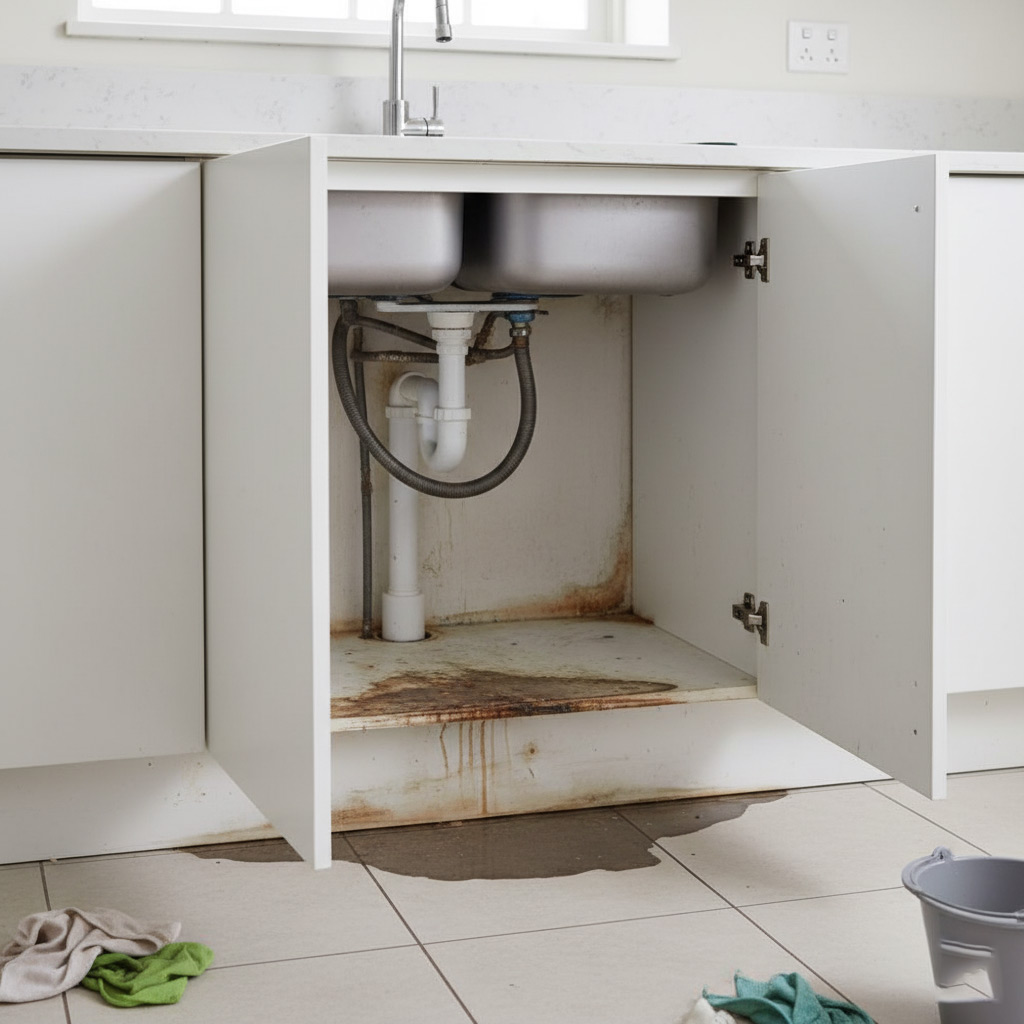
The Hidden Dangers: Why Professional Mold Remediation is Non-Negotiable
Most homeowners assume that if they dry out the carpet and run a dehumidifier for a few days, the problem is solved. The reality is much darker because mold spores are microscopic, opportunistic, and incredibly fast at colonizing Nassau County homes.
Once moisture seeps into your drywall, insulation, or wood framing, mold begins to bloom within 24 to 48 hours. This is not just a cosmetic issue; it is a direct threat to your home's structural integrity and your family’s respiratory health.
You cannot simply scrub away a mold colony with household bleach or soap. Professional remediation is required because the spores often hide inside wall cavities where you cannot see them. If you leave these behind, they will continue to feed on your house until you are forced to replace the studs themselves.
Why DIY Cleanup Often Fails
- Household chemicals often feed mold rather than killing it.
- Surface cleaning fails to address the root cause inside the wall.
- Inadequate ventilation spreads spores into your HVAC system.
- Lack of specialized gear exposes you to toxic air quality.
Ignoring a small patch of mold is a gamble you will lose. By the time you notice the musty scent becoming a permanent feature of your basement, you are likely dealing with a massive infestation that requires professional containment, HEPA vacuuming, and biocidal treatment.
Trusting a professional team ensures that every square inch of the affected area is properly dried, treated, and cleared for safety. Your home's air quality is too important to leave to guesswork or weekend cleaning supplies.
Navigating Insurance Claims and Documentation for Property Damage
Filing an insurance claim after a Nassau County flood feels like a second job you never applied for. Your primary goal is to get your money back, but the insurance adjuster is paid to minimize the payout. You must treat this process like a legal case, where the person with the best evidence wins.
Do not wait for an adjuster to arrive before you start documenting the carnage. Most policies require you to mitigate further damage, so get to work immediately while keeping these rules in mind:
- Take high resolution photos of every damaged item from multiple angles.
- Record videos of the standing water levels before you start pumping it out.
- Keep a physical folder of every receipt related to temporary repairs or cleaning supplies.
- Write down the serial numbers and approximate ages of major appliances destroyed in the flood.
Your documentation is the bridge between a denied claim and a full recovery check. If you throw away ruined drywall or soggy carpet before taking pictures, you are throwing away your compensation. Always keep the damaged samples of materials until the adjuster has signed off on your claim, as they often need to inspect the quality of the building components you are claiming.
Finally, communicate exclusively in writing whenever possible. If you speak to an agent on the phone, send a follow up email summarizing the conversation. This creates a paper trail that protects you if the insurance company tries to backtrack on coverage promises later on.
Final Words
Your basement is more than just storage space; it is the structural anchor of your home. When disaster strikes, acting with speed and precision is the difference between a minor cleanup and a total renovation nightmare.
Do not gamble with the health of your family or the equity in your property. If you suspect water intrusion, professional intervention is your safest bet for a complete recovery.
If you are currently facing water damage, check out our expert Flooded Basement Cleanup resources to learn more about how we return homes to their pre-loss condition. We have seen every type of mess, and we know exactly how to fix it.
Three Golden Rules for Basement Safety
- Never step into standing water if the electricity is still live.
- Document every square inch of damage with high-resolution photos before you touch anything.
- Contact your restoration team immediately to prevent moisture from setting into your structural studs.
Take control of your home today. Leaving water to sit is an open invitation for mold, rot, and mounting repair costs that will drain your bank account.
Your home deserves better than a temporary patch job. Get it dry, get it clean, and get back to your normal life without the constant worry of hidden structural decay.
People Also Ask
Who is responsible for basement flooding repairs in Nassau County?
Generally, the property owner is responsible for internal water damage and repairs caused by basement flooding. If the flooding originates from a public sewer backup or municipal issue, you should contact your local town or village department of public works.Does homeowners insurance cover basement flooding in Nassau County?
Most standard homeowners insurance policies do not cover damage caused by external flooding or rising groundwater. You may need a separate policy through the National Flood program to be fully protected against these specific events.How long does it take for mold to grow after a basement flood?
Mold can begin to colonize damp surfaces within 24 to 48 hours after water exposure. Professional intervention is necessary to stop spores from spreading throughout your ventilation system and affecting your indoor air quality.What are the first steps to take after discovering a flooded basement?
Your immediate priority is ensuring personal safety by turning off electricity to the affected area if it is safe to do so. Once you are safe, contact a professional restoration company to begin water extraction and prevent long term structural damage.Why is it important to use professional equipment for basement drying?
Professional restoration teams use industrial grade dehumidifiers and air movers that go beyond what consumer equipment can achieve. This ensures that moisture is removed from porous materials and subflooring to prevent hidden rot and persistent mold growth.Need Water Damage Restoration Services?
We provide immediate water damage mitigation and restoration services to property owners throughout Nassau County and surrounding communities. Our rapid response teams stabilize your home or business to prevent further damage and restore your property to pre-loss condition (11501, 11530, 11550, 11590, 11001).
Request Project Estimate