
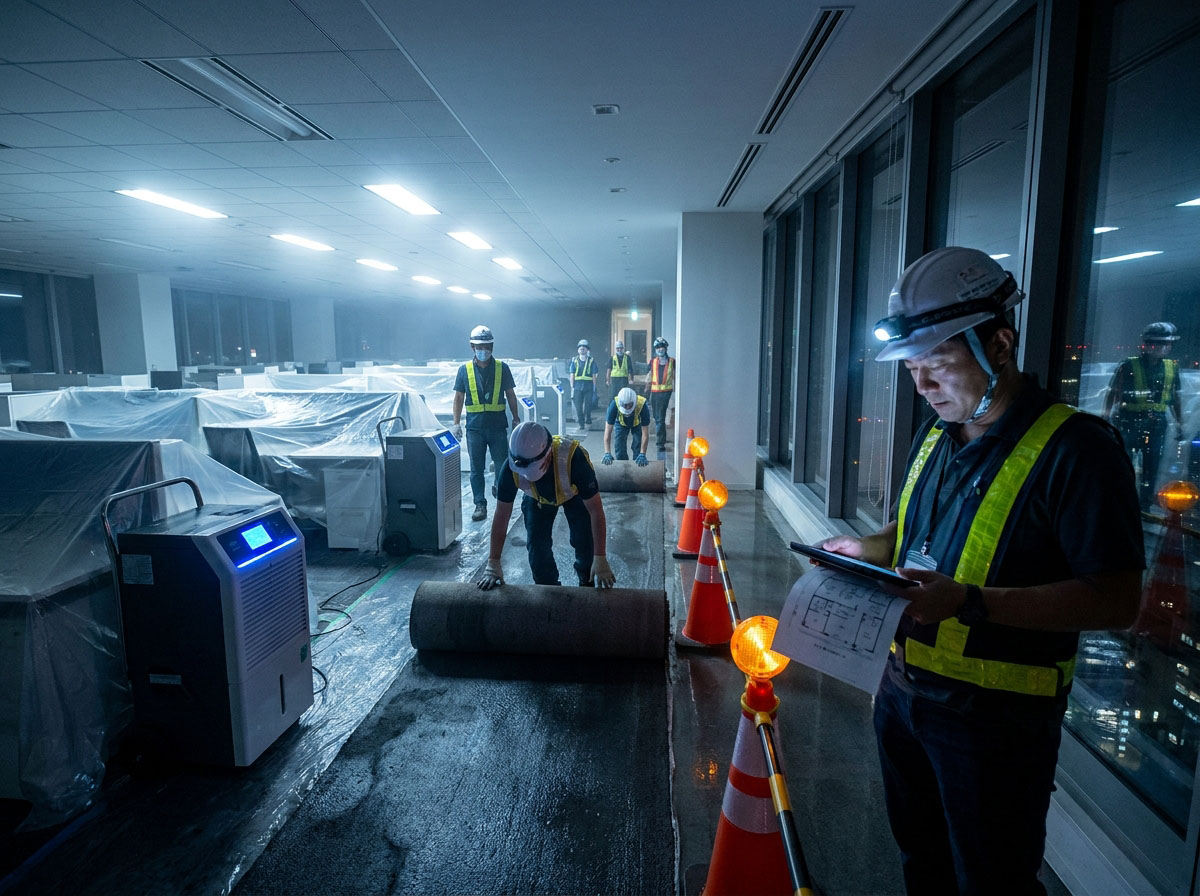


⚡ TL;DR: This guide explores why drywall water damage repair in Nassau County requires professional expertise to avoid dangerous mold growth, hidden structural risks, and expensive long-term home restoration projects.
📋 What You’ll Learn
Discover the critical risks of handling drywall water damage yourself in Nassau County, where coastal humidity often turns minor moisture issues into significant structural hazards that standard repairs simply cannot resolve.
- Identify hidden moisture hazards beyond the surface to stop mold growth before it compromises your home air quality and requires an expensive professional remediation service for your basement.
- Analyze why DIY kits fail in our specific Long Island climate because standard patching materials cannot handle the persistent humidity levels found in many older Nassau County residential properties.
- Compare repair costs versus risks by reviewing our detailed table that outlines the long term financial consequences of choosing a quick patch over a proper, moisture controlled professional restoration.
- Spot structural and electrical dangers early in the process to protect your family from hidden hazards like compromised framing or live wire exposure lurking behind your damaged wall boards.
📖 Reading time: 8 min
✍️ Author expertise: Nassau County water restoration expert with decades of experience mitigating local flood damage.
You wake up to a wet spot on your ceiling, grab a utility knife and a patch kit, and think you have saved yourself a small fortune. But inside the walls of your Nassau County home, a silent, toxic clock is already ticking.
Most homeowners assume a quick fix solves the problem, but they are actually trapping dangerous mold spores behind a fresh layer of paint. What looks like a simple weekend project often turns into a major structural nightmare that ends up costing triple what a professional restoration would have run you.
Before you pick up that drywall saw, you need to understand the hidden risks lurking in your damp walls and why DIY repair is frequently the most expensive mistake you can make.
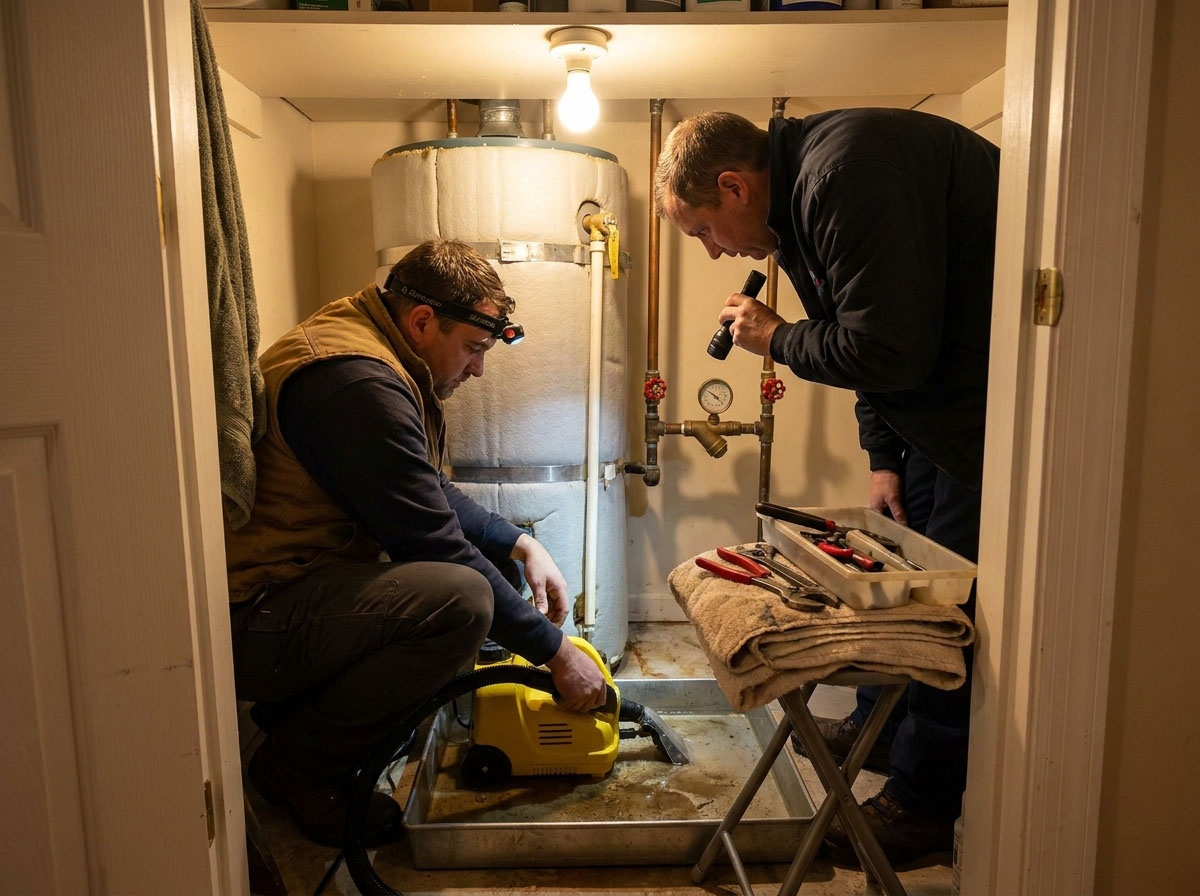
The Hidden Dangers of Damp Drywall: Beyond the Surface Damage
When moisture hits your drywall, the material acts like a giant sponge. It wicks water deep into the wall cavity, far beyond the reach of any patch kit or store bought primer.
You might see a small stain, but the real issue is what you cannot see. Wet drywall creates a breeding ground for biological growth that spreads through your home's air circulation system within hours.
Ignoring this moisture leads to severe problems that go far deeper than cosmetic discoloration:
- Toxic Mold Colonies: Once moisture penetrates the paper backing, mold begins to feed on the gypsum core. It releases spores into the air you breathe every single day.
- Compromised Wall Integrity: Wet drywall loses its structural rigidity. It becomes soft, heavy, and susceptible to crumbling, which can lead to sagging ceilings or collapsing wall sections.
- Attracting Pests: Damp, rotting materials are a magnet for wood eating insects and rodents. They view your soft, water logged walls as the perfect place to build a nest.
Applying a fresh coat of paint or a simple patch only traps the dampness inside the wall. You are essentially putting a bandage on a puncture wound that requires surgery.
By sealing off the damp area, you create a pressurized environment. This forces moisture into your wooden studs, insulation, and the very foundation of your Nassau County property.
Why Standard Repair Kits Fail to Address Nassau County Humidity
Most big-box store patch kits are designed for dry, interior cracks or simple dings. They offer a temporary cosmetic cover, not a cure for the specific environmental reality of Nassau County.
Our coastal location means high levels of ambient moisture that standard spackle and tape simply cannot handle. When you seal damp drywall with store-bought products, you create a moisture trap. The water already trapped inside your wall has nowhere to go, turning your repair zone into a breeding ground for rapid mold colonization.
Unlike Arizona or inland regions, our humidity levels force a much higher standard for building materials. Standard kits lack the following:
- Anti-microbial properties to stop spore growth.
- Permeability, which allows the wall to "breathe" and dry out.
- Industrial-grade adhesives that actually hold up against fluctuating coastal air density.
Ignoring the environmental factor is why so many Nassau County homeowners find their patch bubbling or peeling within just a few weeks. Moisture from the humid air settles right behind that new patch, reactivating the damage you thought you had finished off.
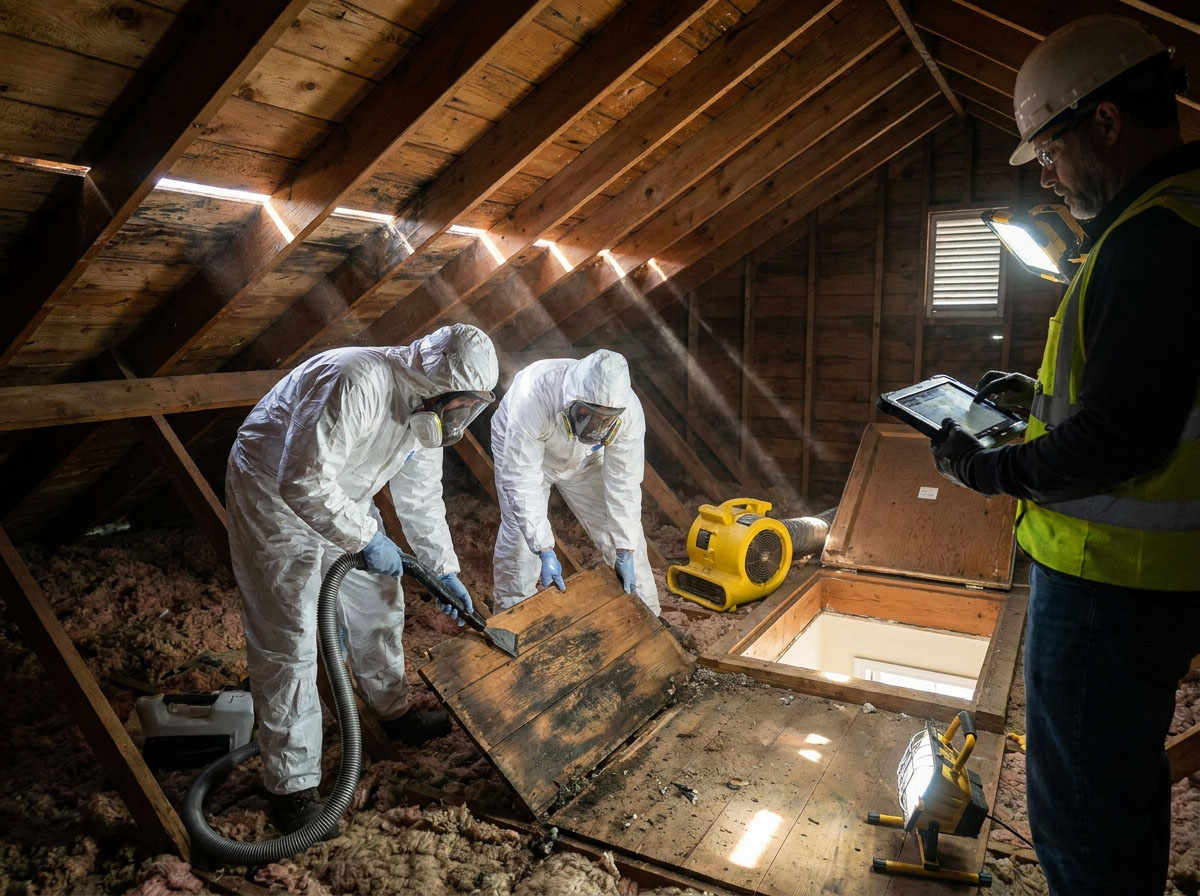
Professional Assessment Versus DIY Patchwork: A Cost-Benefit Comparison Table
Most folks think a patch kit saves money because they only see the price of spackle and tape. They miss the true cost of ignoring what happens inside the wall cavity while they focus on the surface.
| Factor | DIY Patchwork | Professional Restoration |
|---|---|---|
| Initial Cost | Low ($50-$200) | Higher ($500+) |
| Mold Detection | None (Invisible) | Thermal Imaging/Moisture Mapping |
| Long-term Risk | High (Structural Rot) | Low (Dehumidified/Certified) |
| Insurance Claims | Often Denied | Documentation Supported |
| Property Value | Risk of Devaluation | Maintained/Protected |
When you DIY, you are gambling that the damage is purely cosmetic. A professional, however, performs a moisture audit to identify hidden saturation that human eyes cannot see.
A professional service includes:
- Moisture mapping to define the exact perimeter of the water intrusion.
- Industrial-grade dehumidification to dry out studs and framing.
- Antimicrobial treatments to kill spores before they become a colony.
- Certified documentation for your insurance provider.
If you choose the cheap route now, you might save a few hundred dollars today. Yet, you are likely setting yourself up for thousands in repairs once the mold spreads to your HVAC system or structural supports.
Case Study: How an Improper Basement Repair Created a $20,000 Mold Remediation Project
Consider a recent client in Garden City who noticed a minor leak in their finished basement after a heavy storm. Instead of calling for a moisture inspection, they simply cut out the damp section, installed new drywall, and applied a fresh coat of paint to hide the blemish.
They believed the issue was solved. Six months later, a persistent musty odor prompted them to call us for an emergency inspection.
Upon removing the wall panels, we discovered that the moisture had wicked upward through the wooden studs and into the floor joists. Because the area was sealed with new paint, the trapped moisture created an incubator for black mold growth that had silently spread behind the drywall and into the subflooring.
The cost of their mistake was staggering:
- Full basement gutting due to extensive spore contamination.
- Professional remediation for hazardous black mold removal.
- Structural lumber replacement for damaged, rotting wooden frames.
- Replacement of ruined carpeting and expensive electronics stored nearby.
This homeowner learned a hard lesson that many in Nassau County discover too late. Trapping moisture behind a patch creates a perfect storm for microbial growth that standard fungicides cannot reach. What began as a simple repair turned into a total disaster because the root cause was ignored rather than treated.
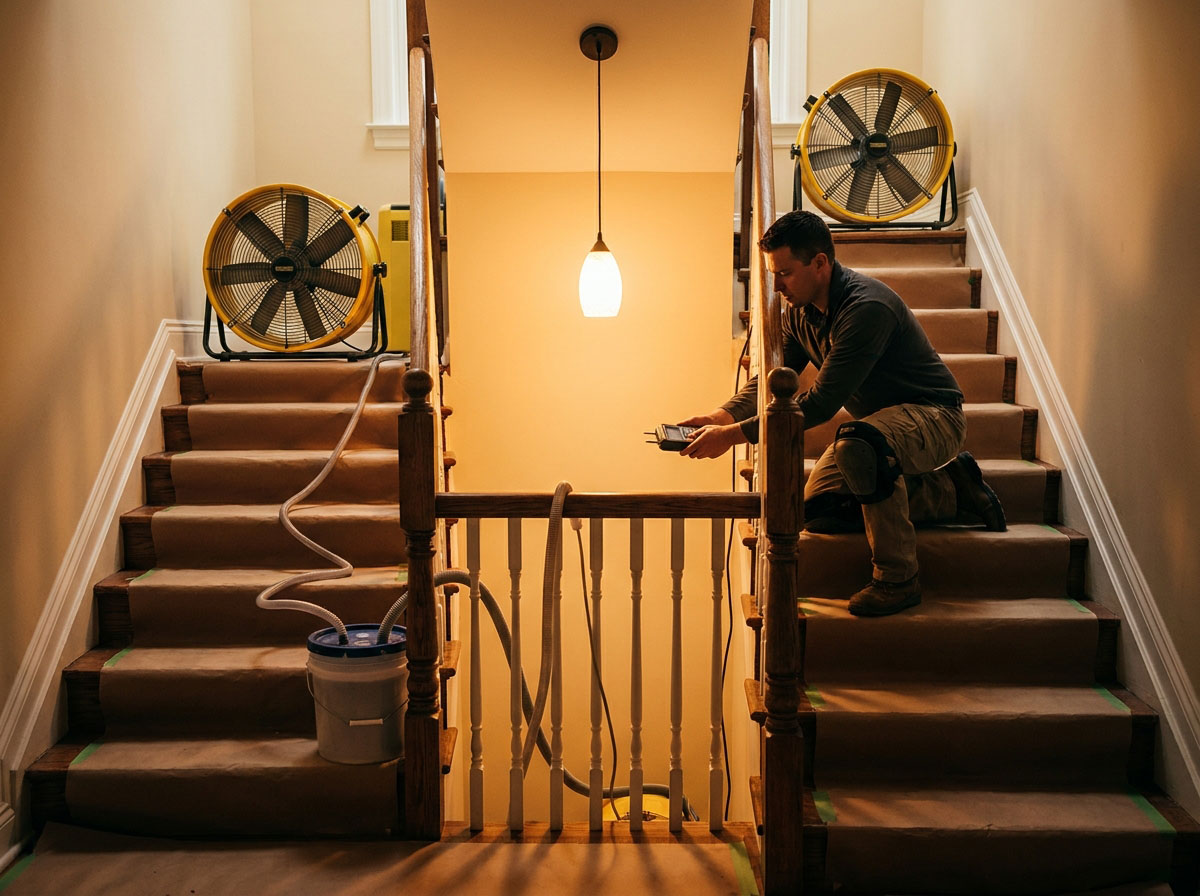
Identifying Structural Instability and Electrical Hazards Before You Start
Before you even think about grabbing a hammer, you must recognize that drywall is more than just a wall covering. It often hides a complex network of electrical wiring and metal framing that moisture can compromise in an instant.
Water does not just ruin the gypsum board. It actively corrodes copper wiring and creates dangerous electrical shorts that you cannot see from the outside. If you pierce a live wire while cutting into wet, soft drywall, you risk sparking a fire or suffering a severe shock.
Beyond the sparks, your home’s structural integrity might be at stake. Drywall in Nassau County homes often acts as a fire barrier and a stabilizer for interior studs. When you remove a patch without inspecting what lies behind it, you might be ignoring:
- Corroded metal studs that can no longer support the weight of the wall.
- Water damaged insulation that has sagged, creating a massive pocket for hidden mold growth.
- Compromised electrical junctions where moisture has reached the internal contact points.
Do not assume the wood framing behind the wet patch is dry just because it feels firm to the touch. Water wicks upward into the studs, leading to hidden wood rot that eats away at the skeletal structure of your house. If you patch over this damage, you are essentially sealing the rot inside, allowing it to weaken your home until the day a section of the wall fails entirely.
The Professional Restoration Process: From Moisture Mapping to Structural Integrity
Professional restoration is not just about slapping on a new piece of sheetrock. It is a precise sequence of events designed to stop the cycle of decay before it permanently compromises your foundation.
Our technicians start with moisture mapping using industrial-grade thermal imaging cameras. We find exactly where the water traveled behind your walls, floors, and support beams, even if the surface looks perfectly dry.
Once we identify the scope, we initiate a strict containment protocol. This prevents cross-contamination of mold spores throughout the rest of your home while we extract the water.
Key Steps in Our Restoration Workflow
- Targeted Dehumidification: We use high-velocity air movers and refrigerant dehumidifiers to pull moisture out of the building materials themselves.
- Antimicrobial Treatment: We sanitize all exposed framing to kill hidden bacteria and fungal growth.
- Precision Moisture Monitoring: We do not guess when the wood is dry; we use moisture meters to prove the structure is ready for repair.
Skipping these steps is exactly how hidden rot starts. By treating the environment rather than just the cosmetic damage, we ensure your walls are restored to their original strength and air quality. We don't just cover up the problem; we eliminate the moisture source to ensure it never comes back.
Protecting Your Home’s Value Through Expert Mitigation
Your home is likely your biggest financial asset. When you ignore the mechanics of moisture, you aren't just looking at a stain; you are actively inviting devaluation and long term liability.
Professional restoration is an investment in your equity. When you opt for expert Drywall Water Damage Repair, you create a documented trail of professional mitigation that protects your resale value.
The Real Cost of Cutting Corners
Prospective buyers and home inspectors are trained to spot the subtle signs of amateur patch jobs. When they pull back the curtain on a poorly sealed wall, the negotiation power shifts entirely into their hands.
Instead of saving money, you end up handing over a massive discount to the buyer because the history of your home repair is suspect. Smart homeowners choose the path of total transparency and structural certainty.
Why Precision Matters
We see it all the time in Nassau County. Homeowners try to manage things themselves to save a few bucks, but they miss the small details that keep a house healthy. Here is what you secure when you bring in the experts:
- Certified moisture mapping that identifies trapped water behind studs.
- Antimicrobial treatments that kill mold spores before they spread.
- Structural reinforcing that prevents future sagging or wall failure.
- Proper ventilation adjustments to combat our local humidity.
Don't gamble with your living room or your basement. By choosing professional mitigation, you ensure your home stays dry, safe, and ready for whatever the weather throws at us.
People Also Ask
Is it safe to repair water damaged drywall myself?
DIY repairs are often insufficient because they fail to address moisture trapped behind the wall, which leads to rapid mold growth. Professional assessment is recommended to ensure the structural integrity of your home remains intact.Does homeowners insurance cover water damage repairs in Nassau County?
Coverage depends on the source of the water and the specific terms of your policy. According to the Federal guidelines, sudden and accidental damage is typically covered, while long term issues like seepage often are not.How do I know if my drywall has hidden mold after a leak?
Signs of hidden mold include a musty odor, persistent dampness, or visible discoloration near baseboards and corners. If you notice these symptoms, you should contact a restoration expert immediately to conduct moisture mapping.Why is Nassau County humidity a problem for wall repairs?
The coastal climate maintains high humidity levels that prevent damp drywall from drying naturally. This creates a perfect environment for spores to thrive if the wall is patched without proper industrial dehumidification.What are the electrical risks when repairing wet walls?
Water is a highly effective conductor and can easily migrate into electrical outlets or wiring located inside your walls. Attempting to cut or patch wet drywall risks serious shock or fire hazards if the underlying electrical system is compromised.Need Water Damage Restoration Services?
We provide immediate water damage mitigation and restoration services to property owners throughout Nassau County and surrounding communities. Our rapid response teams stabilize your home or business to prevent further damage and restore your property to pre-loss condition (11501, 11530, 11550, 11590, 11001).
Request Project Estimate