
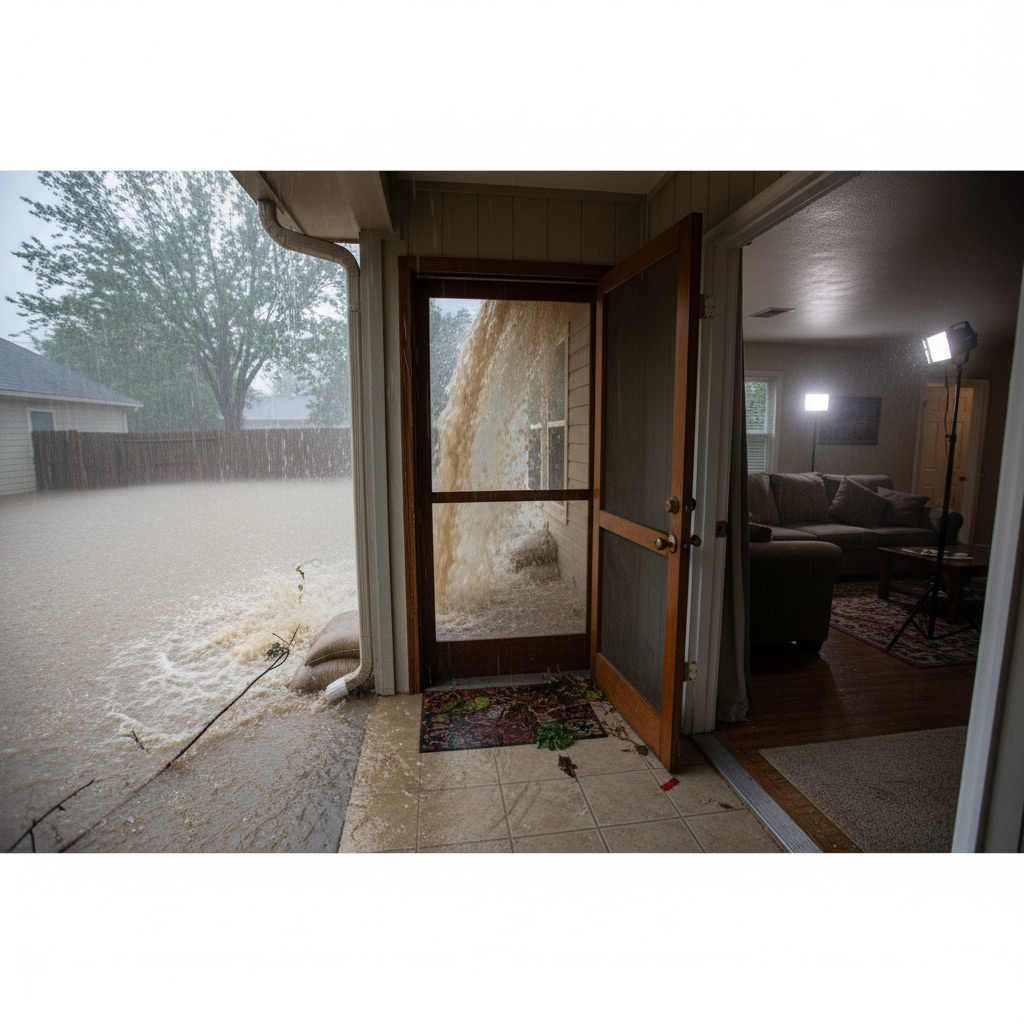


⚡ TL;DR: Nassau County homeowners can effectively manage burst pipe cleanup by following immediate safety procedures, understanding local infrastructure risks, and knowing when professional restoration is necessary for property protection.
📋 What You’ll Learn
Discover essential strategies for managing burst pipe emergencies in Nassau County. This guide empowers homeowners to minimize property damage, navigate local infrastructure challenges, and restore their homes after flooding disasters.
- Take immediate emergency action to shut off your water supply and secure your property, preventing further saturation of flooring, drywall, and personal belongings across your local residence.
- Understand local infrastructure vulnerabilities that lead to frequent pipe failures in Nassau County homes, helping you recognize specific risks tied to our unique climate and aging regional plumbing.
- Evaluate professional restoration versus DIY by reviewing our comprehensive damage assessment table, which compares the actual costs of expert remediation against common pitfalls associated with amateur cleaning attempts.
- Prevent long term structural decay by learning how to detect and eliminate secondary damage, such as hidden mold growth and weakened floor joists, before these issues compromise your home.
📖 Reading time: 7 min
✍️ Author expertise: Certified water restoration specialist with fifteen years of field experience in Nassau County.
You wake up at 3:00 AM to the rhythmic drip of water hitting your hardwood floor, only to realize your ceiling is turning into a sagging, water-logged sponge. In Nassau County, where our homes battle freezing winters and aging plumbing infrastructure, a burst pipe isn't just a minor leak; it is a full-blown financial disaster waiting to happen.
Most homeowners lose thousands of dollars in the first hour because they scramble to find a bucket instead of taking the right steps to save their property. If you ignore the signs or wait for the water to stop on its own, you are inviting black mold and structural rot into your home.
Here is exactly what you need to do the moment you hear that spray to prevent your living room from becoming an indoor swimming pool.
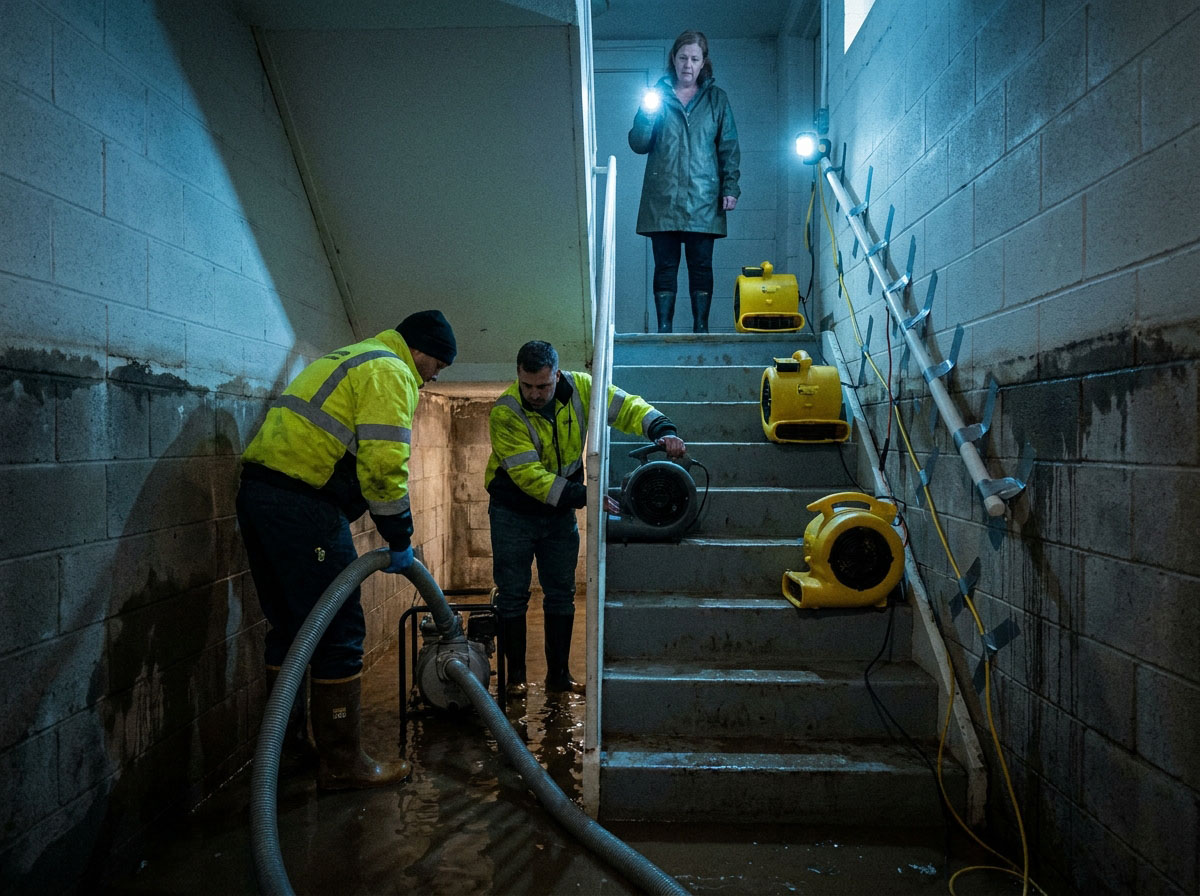
Immediate Steps: Shutting Down the Source and Securing Your Property
The very first thing you must do is locate your main water shut-off valve. In many Nassau County homes, this is found in the basement near the front foundation wall, or perhaps inside your utility closet.
Do not waste time looking for the specific pipe that failed. Simply cutting the main supply stops the flow of water immediately and prevents further destruction to your floors and walls.
Once the water is off, open your faucets to drain the remaining pressure in the lines. This keeps your home from becoming a pressurized fountain.
Next, focus on your safety by addressing electricity. Water and power are a lethal combination.
- Turn off your circuit breakers if there is any chance water has contacted electrical outlets or appliances.
- Avoid walking through standing water until you are certain the power is cut to those affected areas.
- Move your valuable electronics, area rugs, and furniture to a dry space if it is safe to do so.
If you cannot reach the main valve, or if it is rusted shut, call your local water department immediately. They can send a crew to disconnect the service at the street level.
Time is your biggest enemy here. Every minute you spend staring at the puddle, your home is absorbing more moisture into the subflooring and drywall.
Why Nassau County’s Infrastructure Makes Pipes Specifically Vulnerable
Nassau County homes are caught in a classic trap. We have a massive amount of historic housing stock paired with fluctuating coastal temperatures that punish metal joints and aging seals.
When the temperature drops into the single digits, water inside your pipes expands. If your plumbing system was installed decades ago, those materials have already reached the end of their lifespan.
Consider these localized factors that put your property at risk:
- Corrosive salt air: Living near the shore accelerates the oxidation of exterior pipe connections.
- Ground movement: The specific soil composition in Long Island shifts during hard freezes, putting hidden stress on underground supply lines.
- Poor insulation: Many older homes in towns like Hempstead or Manhasset lack modern pipe wrapping, leaving them exposed to drafts in crawlspaces and attics.
You cannot simply assume your pipes will hold up just because they lasted through last winter. Every freeze-thaw cycle adds microscopic fractures to your system, turning a minor drip into a geyser overnight.
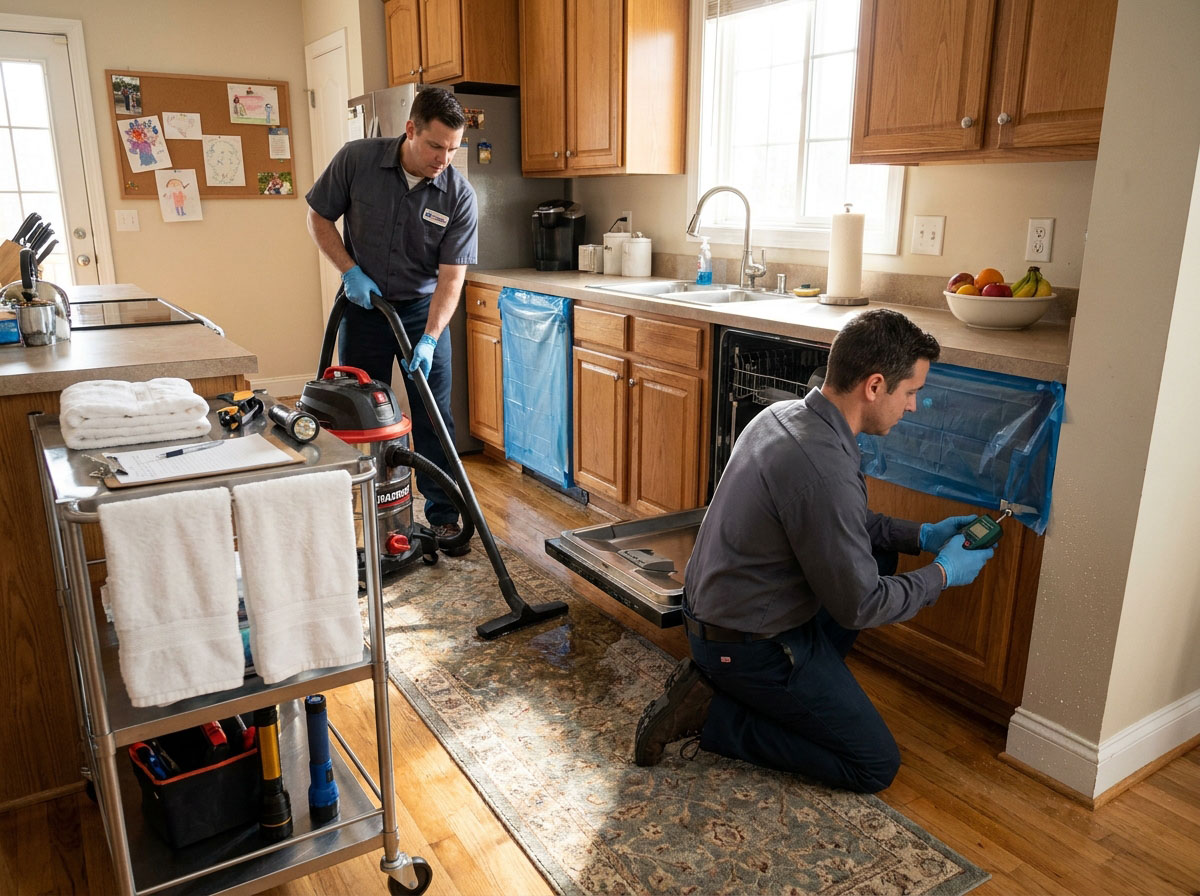
Categorizing Water Damage: When to Handle It and When to Call Professionals
Water isn't just water. The restoration industry classifies spills into three distinct categories based on contamination levels. Understanding these is the difference between a quick mop-up and a hazardous health nightmare.
Category 1: Clean Water is your best-case scenario. This typically comes from a supply line, a toilet tank, or a melting pipe. If you catch it fast, you can often handle this yourself with shop vacs and heavy-duty fans.
Category 2: Grey Water includes discharge from washing machines, dishwashers, or sump pump failures. It contains chemicals or biological contaminants that pose health risks. You should call in the pros here to ensure the area is properly sanitized.
Category 3: Black Water is an absolute emergency. This involves sewage backups or floodwater from outside. It is teeming with bacteria, viruses, and pathogens. Do not touch this under any circumstances. Your focus must shift entirely to evacuation and professional containment.
When to Call for Help
- The water source originated from a toilet, sewer, or ground level.
- The moisture has reached drywall, insulation, or carpet padding.
- You spot visible mold or smell a damp, earthy odor.
- The damage has persisted for more than 24 hours.
Trying to dry out Category 2 or 3 water with a household fan will only circulate dangerous spores throughout your home. Professional restoration teams use industrial-grade dehumidifiers and antimicrobial agents that you simply cannot buy at a hardware store.
Rapid Response Tactics Saved a Historic Home in Garden City
Last winter, a classic colonial in Garden City faced a nightmare scenario. A pipe behind a kitchen wall snapped during a subzero night, sending gallons of water into the structure of a home that had stood for nearly a century.
The homeowners didn't panic. Instead, they acted with surgical precision the moment they heard the hissing behind the drywall.
Here is what made the difference between a minor repair and a total home renovation:
- They immediately cut the main water supply to stop the flow.
- They moved antique furniture and rugs to the second floor before the floorboards soaked through.
- They called for emergency extraction within forty-five minutes of the initial break.
By the time our team arrived, the water had not yet breached the subfloor. Because they acted instantly, we were able to use industrial-grade dehumidifiers and high-velocity air movers to dry out the wall cavities.
We saved the original hardwood floors and prevented the need to gut the kitchen entirely. This success story proves that your actions in the first hour decide whether you lose your home's character or just pay a service fee.
Speed is the only currency that matters when water is involved. Moisture moves fast, but a prepared homeowner moves faster.
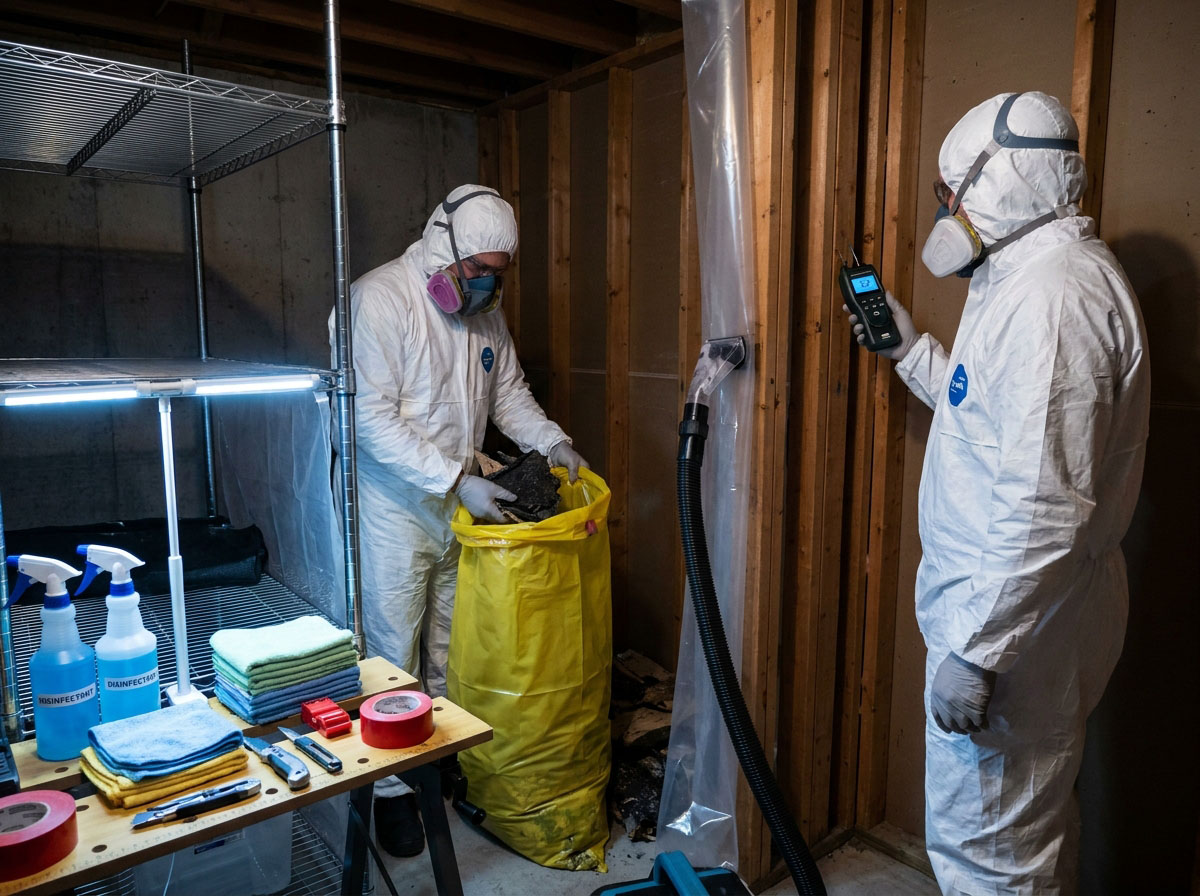
Damage Assessment Table: Comparing Professional Restoration Costs vs. DIY Pitfalls
Most homeowners in Nassau County think they are saving cash by grabbing a shop vac and a few towels. The truth is, water hides behind your walls and under your flooring where your standard household tools cannot reach.
| Factor | DIY Cleanup | Professional Restoration |
|---|---|---|
| Initial Cost | Low (Cleaning Supplies) | Investment Required |
| Mold Prevention | Often Missed | Guaranteed Remediation |
| Insurance Claims | Difficult to Document | Expert Documentation |
| Drying Equipment | Ineffective | Industrial Grade |
| Hidden Damage | Undetected | Thermal Imaging |
When you try to handle a burst pipe on your own, you are likely missing the trapped moisture that leads to toxic mold growth weeks later. A DIY job might look dry on the surface, but your drywall and insulation act like a sponge for bacteria.
Professional restoration crews use industrial grade dehumidifiers and moisture meters to find water you cannot see. Investing in experts now stops you from spending five times more on structural repairs later when the wood rot becomes visible.
The Real Costs of DIY Mistakes
- Ignoring water inside wall cavities leads to expensive mold remediation.
- Improper drying causes wood floors to warp and buckle beyond repair.
- Missing wet spots behind baseboards invites permanent structural decay.
- Insurance adjusters often deny claims if they suspect poor mitigation techniques were used.
The Hidden Dangers: Managing Secondary Damage Like Mold and Structural Decay
Most homeowners mistakenly believe the crisis ends when the water stops flowing. In reality, the true destruction begins during the first 24 to 48 hours as moisture seeps into the bones of your house.
Trapped water creates a breeding ground for mold spores, which can become airborne and spread throughout your HVAC system. Once these colonies take root behind your walls or under your floorboards, they compromise your indoor air quality and pose serious health risks to your family.
You must address the following areas immediately to stop the silent spread of rot:
- Subflooring and Joists: Water saturation causes wood to warp and lose its load-bearing capacity.
- Insulation: Wet fiberglass or cellulose loses its thermal properties and acts like a permanent sponge for bacteria.
- Drywall: Once the paper backing becomes damp, it becomes a literal food source for mold growth.
- Electrical components: Corroded wiring hidden inside walls can spark, creating a hidden fire hazard long after the cleanup crew leaves.
Ignoring these hidden pockets of moisture will result in expensive structural repairs down the line. Professional restoration technicians use industrial-grade dehumidifiers and moisture meters to verify that the environment is truly dry, not just dry to the touch.
If you skip this step, you are leaving the door wide open for long-term decay. Do not let a minor burst pipe transform into a permanent toxic living environment simply because you opted for a quick wipe down rather than a thorough extraction.
Final Words
When a pipe bursts in your Nassau County home, the clock starts ticking immediately. Every minute you spend hesitating is another minute water seeps deeper into your subfloors and wall cavities.
Do not wait for the sun to rise or for a neighbor to offer advice. You need a specialized rapid response team on your side before the saturation reaches a point of no return.
If you are currently facing a flooded basement or a soaked ceiling, stop reading and take these crucial actions:
- Locate your main water shut-off valve and twist it clockwise until tight.
- Contact our expert team for Burst Pipe Cleanup service before the damage spreads further.
- Document every piece of damaged property with clear photos for your insurance claim.
Property damage from water is sneaky. It looks like a simple puddle today, but it turns into a toxic mold colony by the end of the week.
Professional restoration is not a luxury; it is your best insurance policy against long-term structural failure. Keep our number saved in your phone contacts, because in Nassau County, plumbing emergencies never wait for a convenient time to strike.
People Also Ask
What should I do immediately after a pipe bursts in my Nassau County home?
Shut off your main water valve right away to prevent further flooding. Once the water flow is stopped, contact a certified restoration professional to begin the drying process before moisture penetrates your flooring or walls.Does homeowners insurance cover burst pipe cleanup?
Most standard homeowners insurance policies cover sudden and accidental water damage caused by a burst pipe. You should check insurance details with your agent to confirm your specific coverage limits and deductible requirements.How long does it take for mold to grow after a pipe burst?
Mold can begin to colonize within 24 to 48 hours if the affected area is not thoroughly dried. Professional industrial dehumidifiers are necessary to lower humidity levels and prevent rapid fungal growth in your home.Why do pipes burst more often in older Nassau County neighborhoods?
Many older properties in the region have aging galvanized or copper piping that becomes brittle over time. Temperature fluctuations during the winter season put extra stress on these weakened systems, leading to frequent leaks and sudden ruptures.When is it safe to clean up water damage myself?
You can handle minor spills using household towels and fans if the water is clean and limited to a very small area. However, if the water has touched electrical outlets or sewage lines, you must leave the area and hire a professional cleanup crew for safety reasons.Need Water Damage Restoration Services?
We provide immediate water damage mitigation and restoration services to property owners throughout Nassau County and surrounding communities. Our rapid response teams stabilize your home or business to prevent further damage and restore your property to pre-loss condition (11501, 11530, 11550, 11590, 11001).
Request Project Estimate