
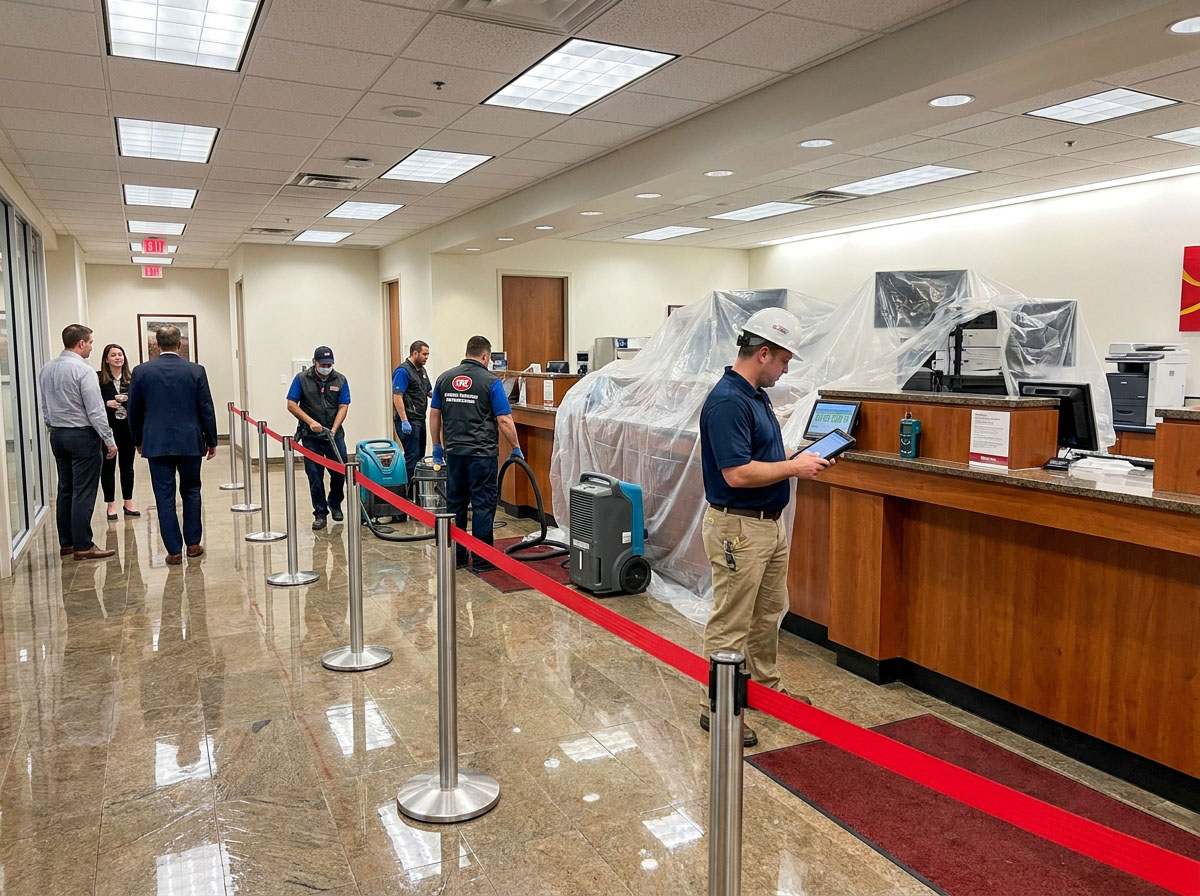


⚡ TL;DR: This guide provides homeowners in Nassau County with essential information on detecting, safely containing, and professionally managing black mold removal to protect their property and indoor air quality.
📋 What You’ll Learn
Discover how to address hazardous black mold in your Nassau County residence using professional safety protocols, effective containment strategies, and long-term prevention tactics to ensure your family remains protected indoors.
- Identify hidden mold growth risks by learning how the unique climate of Long Island affects moisture levels in basements and walls throughout our local communities and neighborhoods.
- Master effective containment procedures to prevent toxic spores from migrating into your clean living spaces while you work to remediate contaminated areas of your private residence safely.
- Compare professional services versus DIY methods to determine which approach best fits your specific situation, balancing the potential cost savings against the significant health risks of exposure.
- Implement lasting prevention tactics to keep your Nassau property dry and mold-free by managing humidity levels and addressing the common structural issues that lead to fungal growth.
📖 Reading time: 8 min
✍️ Author expertise: Certified restoration specialist with twenty years of mold remediation experience across Nassau County.
You wake up with a persistent cough and a foggy head, only to realize the real culprit isn't a common cold. It is hiding behind your drywall, spreading silently, and turning your Nassau County home into a toxic trap.
Black mold is not just a cosmetic nuisance you can scrub away with store-bought chemicals. It is a biological threat that puts your family's health and your property value in the crosshairs.
If you suspect this intruder has taken hold of your living space, you need a battle plan based on science, not guesswork. Read on to discover the exact steps required to identify, contain, and permanently banish black mold from your home for good.
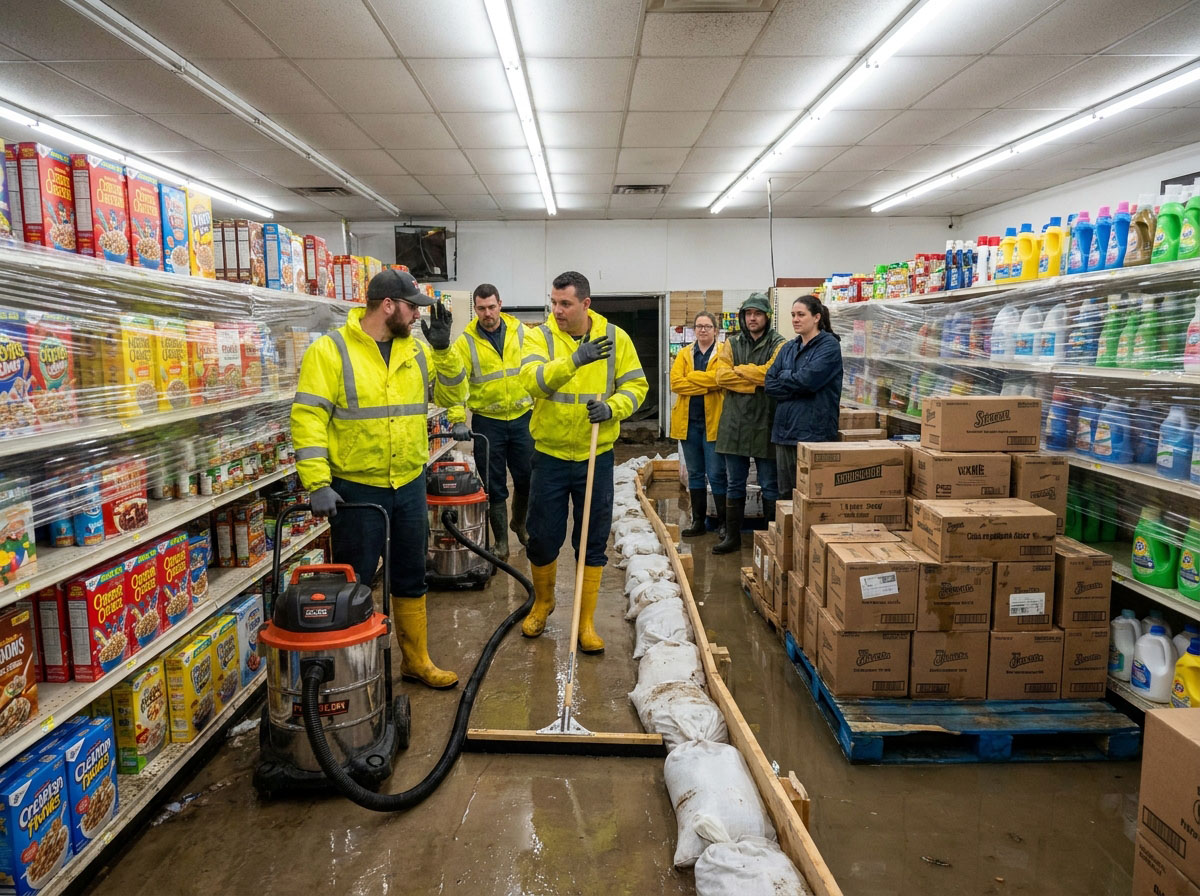
The Health Risks of Stachybotrys Chartarum in Long Island Homes
When residents hear the term black mold, they often think of a small patch in the bathroom. However, Stachybotrys chartarum is a different beast entirely, commonly referred to as toxic mold. In the humid, coastal climate of Long Island, this fungus thrives in damp wall cavities and basements, releasing microscopic spores into your indoor air supply.
Once these spores are inhaled, they can trigger severe physiological reactions. Because Nassau County homes are prone to seasonal moisture spikes, the danger of long-term exposure is high. If your household suffers from unexplained symptoms that vanish when you leave the house, the walls themselves might be making you sick.
Common health impacts of Stachybotrys exposure include:
- Chronic respiratory issues and persistent wheezing.
- Unexplained skin rashes or hives after handling household items.
- Brain fog, memory loss, and recurring headaches.
- Persistent fatigue that does not improve with rest.
- Increased sensitivity to allergies or asthma attacks.
The danger is compounded because this mold produces mycotoxins. These chemical compounds don't just irritate the lungs, they can suppress the immune system over time. You are not just dealing with a plant-like growth; you are living with a source of ongoing chemical exposure that requires immediate professional assessment to ensure your family stays safe.
Proven Strategies for Detecting Hidden Mold Infestations
Most Nassau homeowners make the mistake of searching only for visible patches of black mold. The truth is that black mold loves the dark and damp spaces where you rarely look, such as behind wallpaper, inside ventilation ducts, or beneath heavy floorboards.
To find these hidden colonies, you must rely on your senses and specialized tools. Musty, earthy odors are often the first red flag that something is rotting inside your walls, even if you cannot see a single spot of growth.
Common Indicators of Invisible Mold
- Persistent damp or musty smells in specific rooms.
- Peeling or bubbling paint on drywall or near baseboards.
- Unexplained moisture stains on ceilings or floors following a storm.
- Water pipes that show signs of condensation or slow leaks.
If you suspect an issue, stop relying on visual inspections alone. Professional moisture meters can detect high humidity levels inside building materials before the mold becomes visible to the naked eye.
Infrared cameras also play a massive role in our detection process. These tools reveal temperature differences behind surfaces, which effectively pinpoint active water leaks that act as a breeding ground for toxic mold.
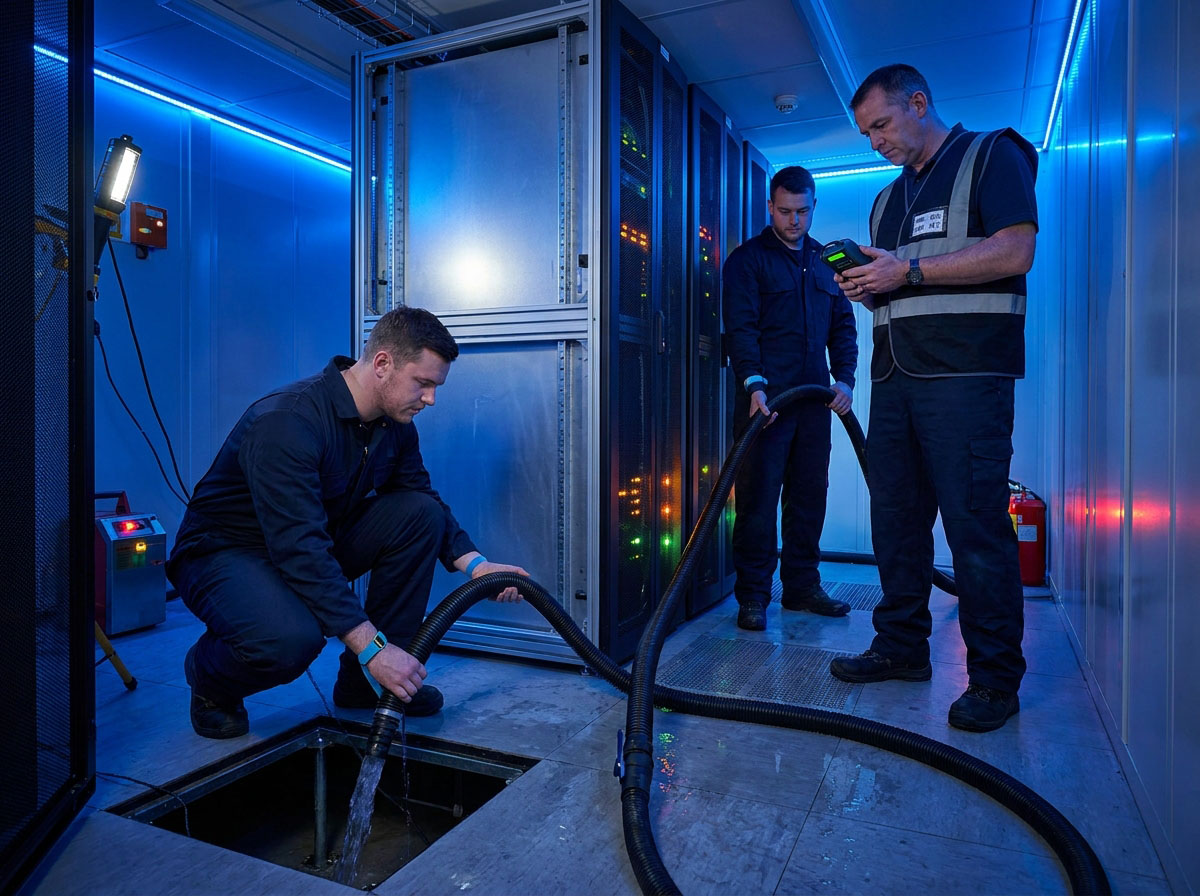
Containment Procedures to Prevent Spore Migration During Remediation
When you disturb a black mold colony, you trigger a massive release of microscopic spores into your indoor air. Without strict containment, a localized problem in your basement can quickly infect your entire Nassau home, from the upstairs bedrooms to your HVAC system.
Professional remediation relies on negative air pressure to keep contaminated air trapped within the work zone. We create a physical barrier using heavy duty plastic sheeting and specialized tape to seal off every doorway, vent, and window in the area.
Critical Steps for Effective Containment
To keep your family safe during the cleanup process, we follow these non-negotiable protocols:
- Zone Isolation: We construct airtight enclosures to separate the affected area from the rest of the living space.
- Negative Air Pressure: Using industrial HEPA filtered air scrubbers, we pull air out of the containment zone and exhaust it outside. This creates a vacuum effect so that air always flows into the work area, never out.
- Decontamination Chambers: Our team members use airlocks to ensure that spores do not cling to their clothing or equipment as they exit the site.
Never attempt to scrub, brush, or scrape black mold without establishing these controls first. If you skip this phase, you are essentially bombarding your living room with toxic spores. Keeping the contamination localized is the only way to ensure the rest of your home remains a safe sanctuary for you and your family.
Professional Remediation vs. DIY: A Comparative Table of Risks and Costs
Most homeowners assume that a spray bottle and a stiff brush will solve a black mold issue. This is a dangerous mistake.
Attempting to remove Stachybotrys chartarum without industrial grade gear usually results in spreading millions of microscopic spores throughout your HVAC system. When you disturb an active colony, you send those toxins airborne where they settle into your carpets, furniture, and lungs.
| Factor | DIY Approach | Professional Remediation |
|---|---|---|
| Safety Gear | Standard mask | Full-face HEPA respirator |
| Containment | None | Negative air pressure zones |
| Effectiveness | Surface level only | Source eradication |
| Long-term Cost | High potential for recurrence | One-time investment |
| Health Risk | High spore inhalation risk | Certified safety protocols |
Professional mold remediation is not just about cleaning; it is about containment and clearance. Our crews establish negative air chambers to keep spores from migrating to clean rooms in your Nassau home.
We use moisture meters and thermal imaging cameras to track the hidden water source feeding the mold. If you skip this step, the mold will simply grow back within weeks. You are paying for the expertise to stop the root cause, not just hide the visual symptoms.
Why Professionals Outperform Hardware Store Kits
- Industrial grade biocides that are not available to the public.
- HEPA filtration vacuums that capture particles as small as 0.3 microns.
- Structural drying equipment that prevents moisture from returning.
- Comprehensive documentation for insurance claims and property value protection.
Choosing the DIY route often feels cheaper on the front end. However, once you factor in the cost of wasted supplies, the risk of cross contamination, and the inevitable return of the colony, professional services are the most cost-effective choice for your property.
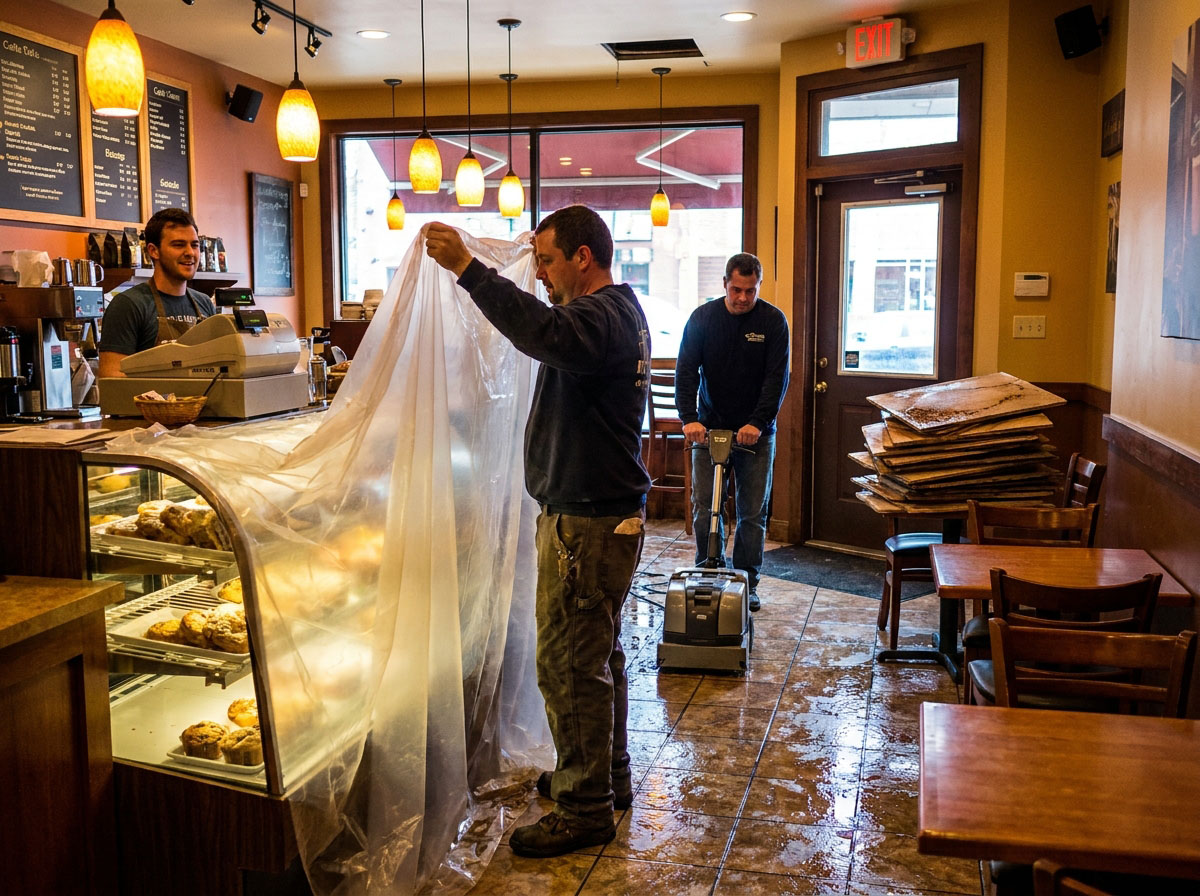
Case Study: Eradicating a Severe Basement Mold Outbreak in Garden City
Last autumn, a Garden City homeowner reached out after discovering a dark, musty patch behind their basement storage shelves. What started as a small stain had actually evolved into a full-scale infestation of Stachybotrys chartarum, fueled by a slow, undetected pipe leak.
The mold had already begun to colonize the back of the drywall and the underlying wooden studs. Because the area was enclosed, the spores were trapped, creating an exceptionally high concentration of airborne toxins that posed a serious danger to the family living directly above.
Our team arrived to find that the moisture had traveled deep into the structural framing. We implemented a rigorous remediation strategy to stop the spread and restore safety:
- Engineered negative air pressure to keep spores from drifting into the living quarters.
- Controlled demolition of affected porous materials like drywall and insulation.
- Deep HEPA vacuuming of all exposed surfaces to capture microscopic residue.
- Application of specialized antimicrobial treatments to prevent future regrowth.
By moving quickly and using industrial-grade equipment, we cleared the basement in just three days. The homeowner was able to return to a sterile, healthy environment without the lingering fear of toxic exposure or property damage.
Essential Prevention Tactics to Keep Nassau Properties Mold-Free
Keeping mold out of your Long Island home requires more than just good intentions. It demands a proactive defense against the moisture that fuels Stachybotrys growth. You must control your indoor climate to ensure your basement, attic, and bathrooms remain hostile environments for fungal spores.
Start by keeping your indoor humidity levels between 30% and 50%. A high-quality dehumidifier is your best friend during those sticky Nassau County summers. If you feel like your home is trapped in a sauna, you are likely inviting a mold colony to set up shop.
Critical Habits for a Dry Home
You can stop an infestation before it begins by focusing on these high-risk areas. Small leaks are the gateway for massive mold outbreaks; address them immediately to protect your structural integrity.
- Inspect your basement and crawl space for water seepage after every heavy storm.
- Ensure your clothes dryer, bathroom fans, and kitchen vents exhaust air directly to the outside.
- Fix leaky pipes or faucets under sinks, even if they seem like minor drips.
- Use exhaust fans during and after showers to clear lingering humidity from your bathroom.
- Clear your gutters of debris to prevent water from backing up and leaking into your roofline.
Proper ventilation is the unsung hero of mold prevention. If moisture cannot escape, it will condense on cold surfaces like windows and metal pipes. This condensation provides the perfect drink for mold to thrive. Keep furniture slightly away from exterior walls to allow air to circulate freely. When you encourage airflow, you prevent stagnant pockets where moisture hides and mold takes root.
Final Words
You now have the cold, hard facts about why Stachybotrys chartarum is not something you ignore. Hoping it goes away on its own is a losing gamble that trades your family's health for a temporary sense of comfort.
When you spot the signs of an infestation, your response time determines the total cost of the damage. Professional Black Mold Removal ensures the job is done once, correctly, without leaving hidden spores to regrow next season.
Your Immediate Checklist
- Check your basement and crawl spaces after every heavy Long Island rainstorm.
- Maintain indoor humidity levels below fifty percent to starve mold of its moisture source.
- Never rely on bleach to treat porous surfaces, as it only kills the surface layer while the roots dig deeper into your drywall.
We see the aftermath of failed DIY attempts every single day across Nassau County. Save your lungs and your bank account by calling in experts who have the gear, the training, and the proven safety protocols to handle these toxic colonies.
Stay vigilant, watch your walls, and act fast if you notice that telltale musty scent. Your home is your biggest investment, and it deserves to be a place of safety, not a breeding ground for biological hazards.
People Also Ask
How can I identify black mold in my Nassau County home?
Black mold often appears as a slimy or powdery dark green or black substance on damp surfaces. If you notice a persistent musty odor or unexplained respiratory issues, you should have a professional perform an inspection to confirm the presence of mold.Is it safe to remove black mold by myself?
Attempting to remove black mold without proper training and equipment can release harmful spores throughout your living space. The EPA guidelines strongly advise professional intervention for large infestations to ensure the work is done safely.How much does professional mold remediation cost in Nassau?
The cost of remediation depends on the size of the affected area, the scope of the water damage, and the extent of the infestation. Most professionals provide a site visit to assess the property before offering a tailored estimate based on the necessary containment and removal efforts.What are the common signs of mold exposure?
Common symptoms include coughing, sneezing, skin irritation, and eye redness. People with asthma or compromised immune systems are particularly susceptible to allergic reactions when mold spores are present in indoor air.Does homeowners insurance cover black mold removal?
Coverage typically depends on whether the mold growth resulted from a sudden, accidental water leak covered by your specific policy. You should review your policy details and consult with your insurance provider to determine if your situation qualifies for remediation coverage.Need Water Damage Restoration Services?
We provide immediate water damage mitigation and restoration services to property owners throughout Nassau County and surrounding communities. Our rapid response teams stabilize your home or business to prevent further damage and restore your property to pre-loss condition (11501, 11530, 11550, 11590, 11001).
Request Project Estimate