
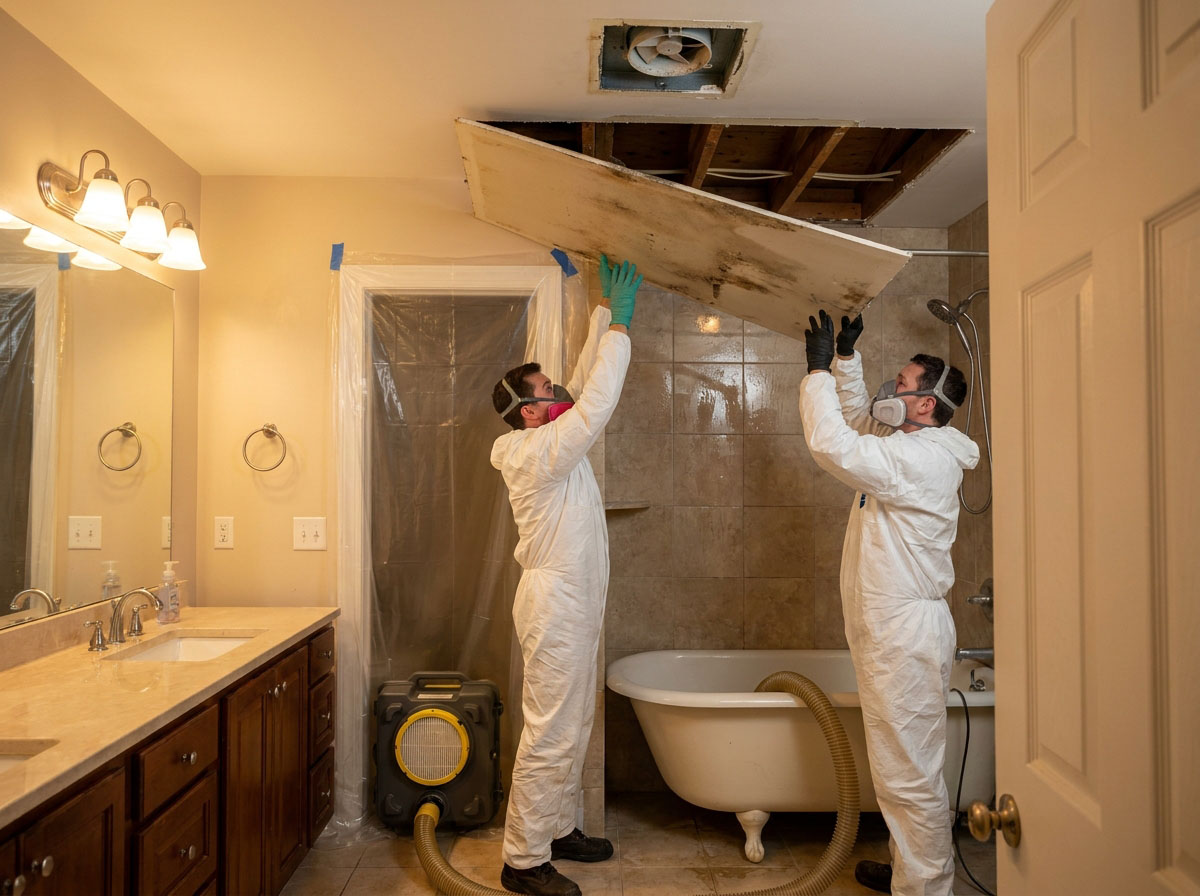


⚡ TL;DR: This guide helps Nassau County homeowners identify attic mold, understand the risks to structural integrity, and implement effective preventative strategies to keep their roof systems dry and safe.
📋 What You’ll Learn
Discover how to protect your Nassau County home from moisture damage. We break down the causes of attic mold, essential detection steps, and professional strategies to maintain your roof's integrity.
- Understand local humidity risks that turn Nassau County attics into breeding grounds for mold and learn why our unique coastal climate requires specialized ventilation and insulation strategies today.
- Identify hidden mold warning signs by recognizing the subtle visual cues and musty odors that often indicate a deep infestation within your rafters before structural damage becomes severe.
- Evaluate long term structural risks to your roof decking and support beams, ensuring you recognize how untreated fungal growth compromises the safety and value of your local property.
- Implement proven prevention strategies to keep your attic environment dry and healthy, utilizing expert-recommended techniques tailored specifically for the seasonal weather patterns found across Long Island homes.
📖 Reading time: 7 min
✍️ Author expertise: Nassau County water damage restoration expert with fifteen years of hands-on attic remediation experience.
You probably haven't thought about your attic since you stored those holiday decorations away, but there is a silent invader spreading across your rafters right now. While you go about your day in Long Beach or Garden City, moisture is trapped in the darkness above your head, feeding a silent biological disaster.
That musty smell you noticed near the stairs isn't just an old house scent. It is the signature of attic mold, and it is actively eating away at your roof decking and compromising the air quality your family breathes every single night.
Left unchecked, this growth turns a simple repair into a massive structural nightmare that could cost you tens of thousands of dollars. We are going to break down exactly how this happens in Nassau County homes and how you can stop the rot before it forces you to replace your entire roof.

Why Nassau County’s Humidity Creates the Perfect Attic Breeding Ground
Living on the coast of Long Island means dealing with constant moisture. Between the salt air and our humid summer months, Nassau County homes are essentially giant sponges.
When this heavy, damp air rises into your attic, it encounters the one thing it hates: cold roof decking. This temperature clash forces condensation to form directly on your wood rafters and insulation.
Mold does not need a leak to start growing. It only needs steady moisture and a food source, both of which your attic provides in abundance.
The Triple Threat of Long Island Attic Growth
- High Humidity: Our local climate keeps moisture levels consistently high during the warmer months.
- Poor Ventilation: Many older homes in towns like Massapequa or Great Neck lack the intake vents required to push that damp air back outside.
- Temperature Swings: Rapid changes between our cold winters and humid springs cause frost to form on your roof nails, which later melts and feeds the mold.
Once those spores land on your damp wooden supports, they begin to colonize. It is not just about a bit of dust; it is a biological machine that thrives whenever your vents are blocked or your bathroom fans exhaust directly into the attic space.
Identifying the Hidden Warning Signs of Attic Mold Infestation
Most Nassau County homeowners never venture into their attics until a major problem erupts. By the time you notice visible dark splotches on your insulation, the colony has likely been feeding on your roof decking for months.
Look for these silent red flags during your next quick inspection:
- A lingering, earthy scent that greets you as soon as you open the attic hatch.
- Water stains or brownish rings appearing on the underside of your roof sheathing.
- Frost buildup or moisture droplets clinging to metal nails or framing members during cold snaps.
- Unexplained allergic reactions or respiratory irritation that improves when you leave your house.
- Insulation that looks matted, clumped, or discolored instead of fluffy and dry.
Your attic acts like a giant lung for your home. If your ventilation is blocked by improperly installed insulation, warm air from your living space hits the cold underside of the roof and turns into liquid water.
This trapped moisture creates the perfect incubator for mold spores. If you see white, black, or greenish fuzz covering your joists, you should contact a professional immediately. Touching or disturbing these spores can release them into your home, so play it safe and let an expert assess the spread.
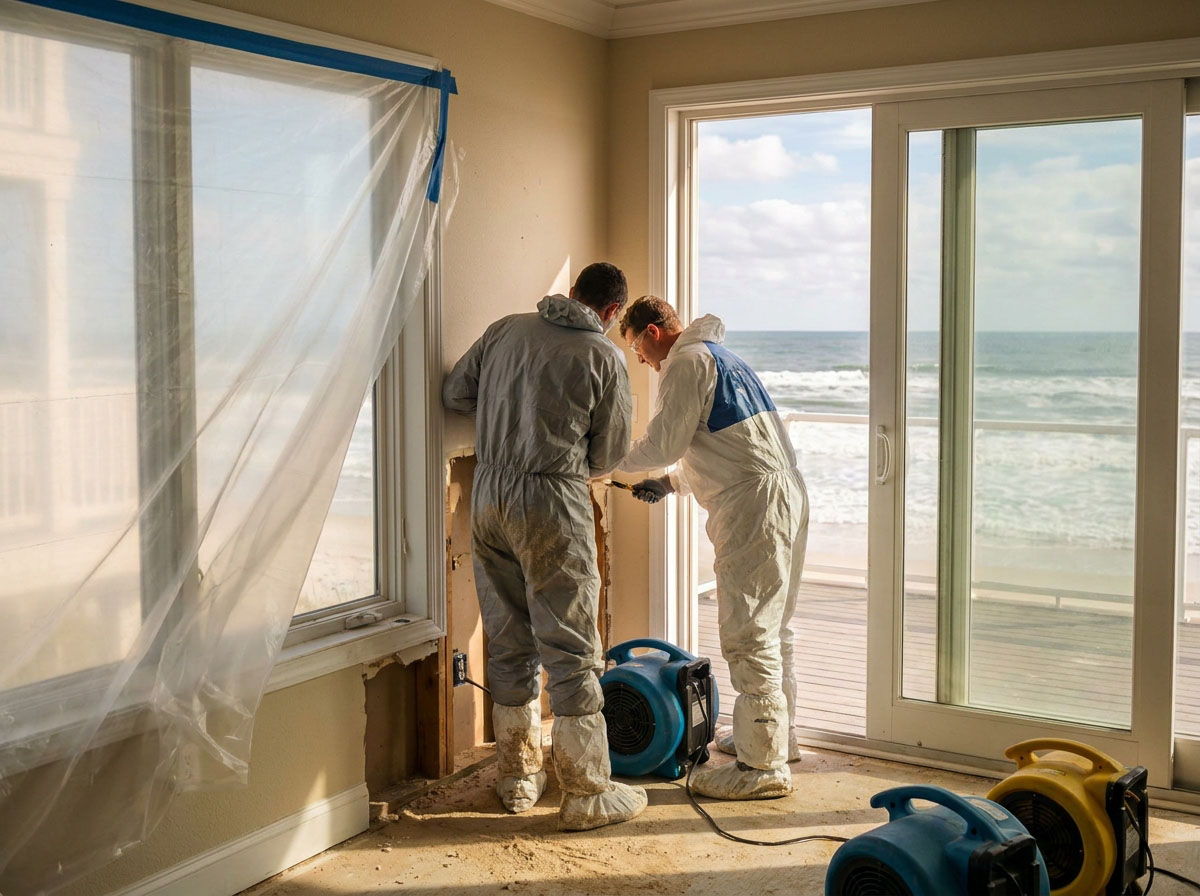
The Long-Term Impact of Untreated Mold on Your Roof’s Structural Integrity
Most homeowners assume their roof is indestructible because it is made of heavy timber and shingles. In reality, mold acts like a slow-motion wrecking ball that feeds on the organic materials holding your home together.
When mold colonies establish themselves on your attic sheathing, they release enzymes that break down wood fibers. This turns solid plywood into a soft, spongy mess that can no longer support the weight of your roof system.
If you ignore the problem, you are looking at more than just a cleaning bill. You are risking a total collapse of your roof deck.
How Mold Weakens Your Home
- Wood Rot: Mold destroys the cellulose in your plywood, making it brittle and prone to sagging.
- Attic Insulation Saturation: Once mold invades, your fiberglass insulation loses its R-value, forcing your HVAC system to work overtime.
- Compromised Rafters: Prolonged moisture exposure leads to structural decay in the very beams that keep your roof from caving in.
- Shingle Failure: A soft, rotting deck cannot hold roofing nails properly, which leads to loose shingles and costly water leaks.
Do not wait for a light fixture to sag or for water to drip onto your bedroom floor. By the time you see visible bowing in your ceiling, the decay has often moved deep into the rafters.
Catching these signs early is the difference between a minor scrub and a full roof replacement. Protecting your investment starts with recognizing that your roof is a living system that demands a dry, mold-free environment to survive.
Real-World Restoration: A Case Study of a Levittown Attic Rescue
We recently took a call from a homeowner in Levittown who noticed a slight discoloration on their master bedroom ceiling. When our team climbed into the cramped attic space, we found the plywood decking was dark, damp, and covered in black mold colonies.
The culprit was a lack of proper ridge ventilation that had been trapped for years. The homeowner had previously installed extra insulation, which accidentally blocked the soffit vents and created a literal steam room under the shingles.
To fix this, we performed a full-scale restoration that saved the roof from total replacement. Our process looked like this:
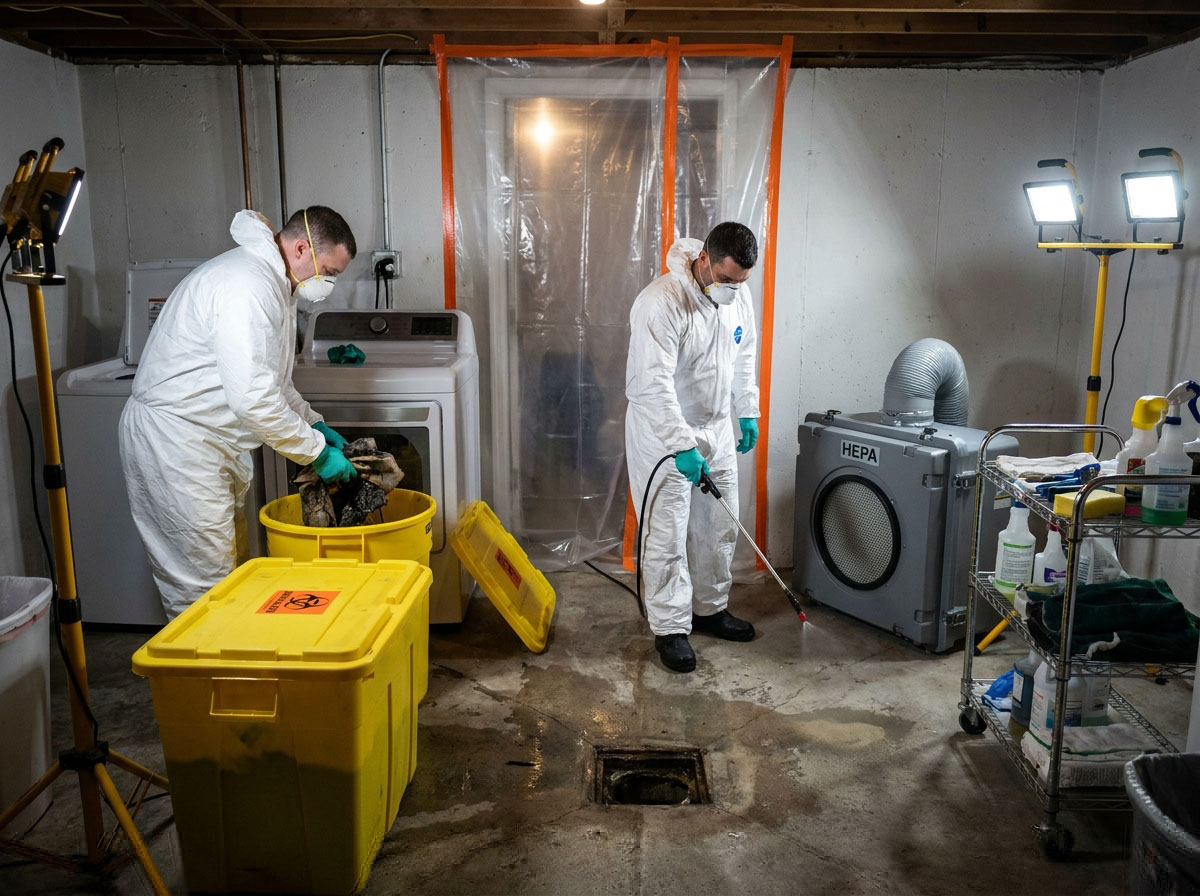
- Containment: We sealed off the attic hatch to prevent mold spores from drifting into the living space.
- Media Blasting: We used dry ice blasting to remove the mold without damaging the structural wood.
- Sanitization: We applied a professional-grade antimicrobial treatment to kill the roots of the fungal growth.
- Ventilation Correction: We cleared the blocked soffits and installed active roof vents to ensure future moisture control.
The result was a completely clean, dry attic that passed a third-party air quality test with flying colors. By acting early, this homeowner avoided a five-figure roof tear-off and kept their family safe from toxic airborne contaminants.
Attic Mold Remediation Cost Breakdown Table for Long Island Homeowners
When you discover mold in your attic, the first question is always about the bottom line. Costs in Nassau County vary based on square footage, the extent of the infestation, and the specific remediation techniques required to safely strip away contaminated insulation and wood.
Use this table as a general guide to anticipate your project investment. Please remember that professional inspection is the only way to get an accurate quote for your specific home.
| Project Scope | Estimated Cost Range |
|---|---|
| Minor Spot Treatment | $800 – $1,500 |
| Moderate Attic Cleaning | $1,500 – $3,500 |
| Severe Infestation Cleanup | $3,500 – $6,000+ |
| Mold + Insulation Removal | $4,500 – $8,000+ |
Several factors can shift these numbers significantly. For instance, if your attic requires full insulation replacement or specialized mold-resistant coatings, you will see the price move toward the higher end of the spectrum.
Consider these variables when budgeting for your restoration:
- The physical accessibility of your attic space.
- The total square footage of the affected rafters.
- Whether you need to address the root moisture issue simultaneously.
- The need for air duct decontamination if spores have entered your HVAC system.
Do not wait for the mold to spread to the interior of your home. Addressing the issue early often keeps your expenses in the lower tier, whereas ignoring the growth guarantees that your costs will balloon as the wood decay worsens.
Proven Preventative Strategies to Keep Your Rafters Dry and Mold-Free
Stopping mold before it takes hold is much cheaper than tearing out your rafters. The secret to a dry attic in Nassau County is all about airflow and moisture control.
Think of your attic like a lung; it needs to breathe to stay healthy. If your soffit vents are blocked by insulation or debris, that warm, humid air has nowhere to go. It just sits there, condensing on your cold roof decking and creating a buffet for fungal growth.
Essential Maintenance Checklist
Take these steps to keep your home's top level protected:
- Check that your bathroom and kitchen fans vent directly outside rather than into the attic space.
- Inspect your roof vents and ridge caps twice a year to ensure they are free from nests or heavy debris.
- Ensure your attic insulation isn't covering your soffit vents; install baffles if needed to keep that air pathway open.
- Monitor your roof for small leaks around plumbing stacks or chimneys that might be dripping moisture onto your insulation.
If you have an older home, you might want to consider installing a power attic ventilator or a solar-powered fan. These units pull hot, stagnant air out of the attic during the peak heat of a Long Island summer. This simple investment keeps the temperature closer to the outside air and prevents that dangerous condensation cycle from ever starting.
Final Words
Your attic is the crown of your home, but it is also the most neglected zone. If you ignore that faint musty scent today, you are inviting a massive financial hit down the road.
Do not wait for a ceiling stain to appear in your hallway. Taking action now puts you in the driver’s seat before the spores take control of your rafters.
If you suspect an issue, our professional team is ready to step in. We specialize in Attic Mold Removal, ensuring your home remains a safe sanctuary for your family.
Three rules to stop the rot today:
- Check your ventilation baffles to ensure they are not blocked by insulation.
- Install a digital hygrometer to keep your attic humidity below 50 percent.
- Schedule a professional inspection if you spot dark streaks or fuzzy growth on your roof decking.
Mold does not sleep, and it does not take a day off. Every week of hesitation allows the colony to sink its roots deeper into your wood framing.
Protect your investment with a proactive mindset. Reach out to us for a thorough assessment, and let us clear the air in your home once and for all.
People Also Ask
Is attic mold covered by homeowners insurance in Nassau County?
Coverage depends entirely on your specific policy and the cause of the moisture issue. If the mold resulted from a sudden, accidental pipe burst, it may be covered, but long term humidity or roof leaks are often excluded.How do I know if I have a mold problem in my attic?
Look for visible dark staining on rafters, a musty odor throughout your upper floor, or frost buildup during winter months. You may also notice your energy bills rising due to damp, ineffective insulation.Can I remove attic mold myself using bleach?
We do not recommend using bleach because it does not kill mold roots on porous surfaces like wood and can actually release toxic spores into your home. Professional remediation is necessary to ensure the environmental safety of your living space.How much does professional attic mold remediation cost on Long Island?
The price varies based on the size of your attic, the severity of the infestation, and the extent of required material removal. Most homeowners can expect to pay anywhere from 2,000 to 6,000 dollars for comprehensive decontamination and restoration services.What causes attic mold growth in Nassau County homes?
Attic mold is primarily caused by poor ventilation, blocked soffit vents, and moisture buildup from bathroom exhaust fans venting directly into the attic space. Our coastal climate also introduces high humidity levels that trap moisture against your roof decking.Need Water Damage Restoration Services?
We provide immediate water damage mitigation and restoration services to property owners throughout Nassau County and surrounding communities. Our rapid response teams stabilize your home or business to prevent further damage and restore your property to pre-loss condition (11501, 11530, 11550, 11590, 11001).
Request Project Estimate